Modern Vases and Pots: The Trend Defining Organic Interiors
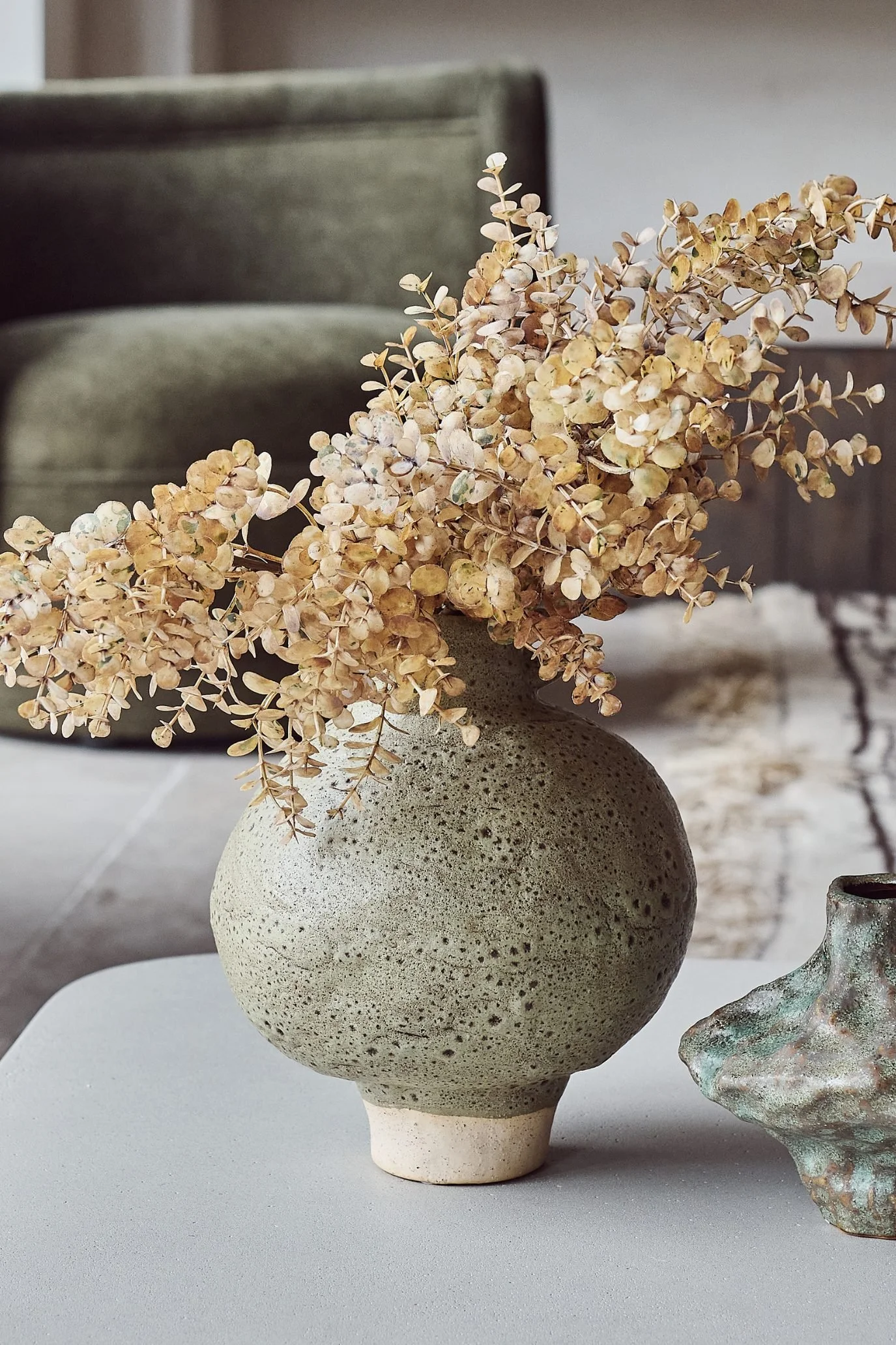
Photo credit: Abigail Ahern
Organic, beautifully textured vases and pots have become one of the most popular accent pieces in recent years. Modern vases are one of my favourite styling accessories as they are so versatile and look fantastic on virtually any surface. The growing trend for our homes to be filled with natural, textural materials, earthy colour palettes and artisan finishes has made these decorative vases and pots far more than just vessels for flowers; they are statement pieces in their own right. Whether crafted from stone, terracotta, ceramic or another natural material, they bring that organic touch to every home. Inspired by Japandi and Organic Modern interiors and clearly on-trend, they are also timeless pieces that won’t go out out style and look equally at home in contemporary, farmhouse, industrial, heritage and many other interior styles.
Styled with a few dried flowers, ornamental grasses or branches, these home decor accessories instantly elevate a coffee table, console, shelf or other surface. However, they look just as striking displayed empty, allowing their shape and texture to be the focal point. I recently invested in a black terracotta vase. Until then, I hadn’t realised that terracotta could be black, but discovered that the rich charcoal finish is a result of adding pigments to the rust-toned natural clay. The vase has completely transformed my mantelpiece and works all year round. During the autumn and winter, I fill it with grasses, while in the spring I swap these for delicate faux blooms.
As homeowners continue to embrace natural materials and handcrafted home decor, these vases have become a must-have styling accessory. Characterised by organic shapes, irregular silhouettes and tactile finishes, the vase pictured above by interior designer Abigail Ahern perfectly captures this look with its beautiful imperfect shape, speckled finish and artisanal edge.
While designer brands offer stunning handcrafted pieces, you can also find these vases in many online home stores, vintage and antique shops, as well as on Etsy and Amazon. To help you find your ideal vase, in this article I’ll explore different materials, finishes and types and, at the end, provide a list of places to buy these vases online. If organic-style vases are not for you, look out for my forthcoming post on the more conventional type of glass and ceramic vases.
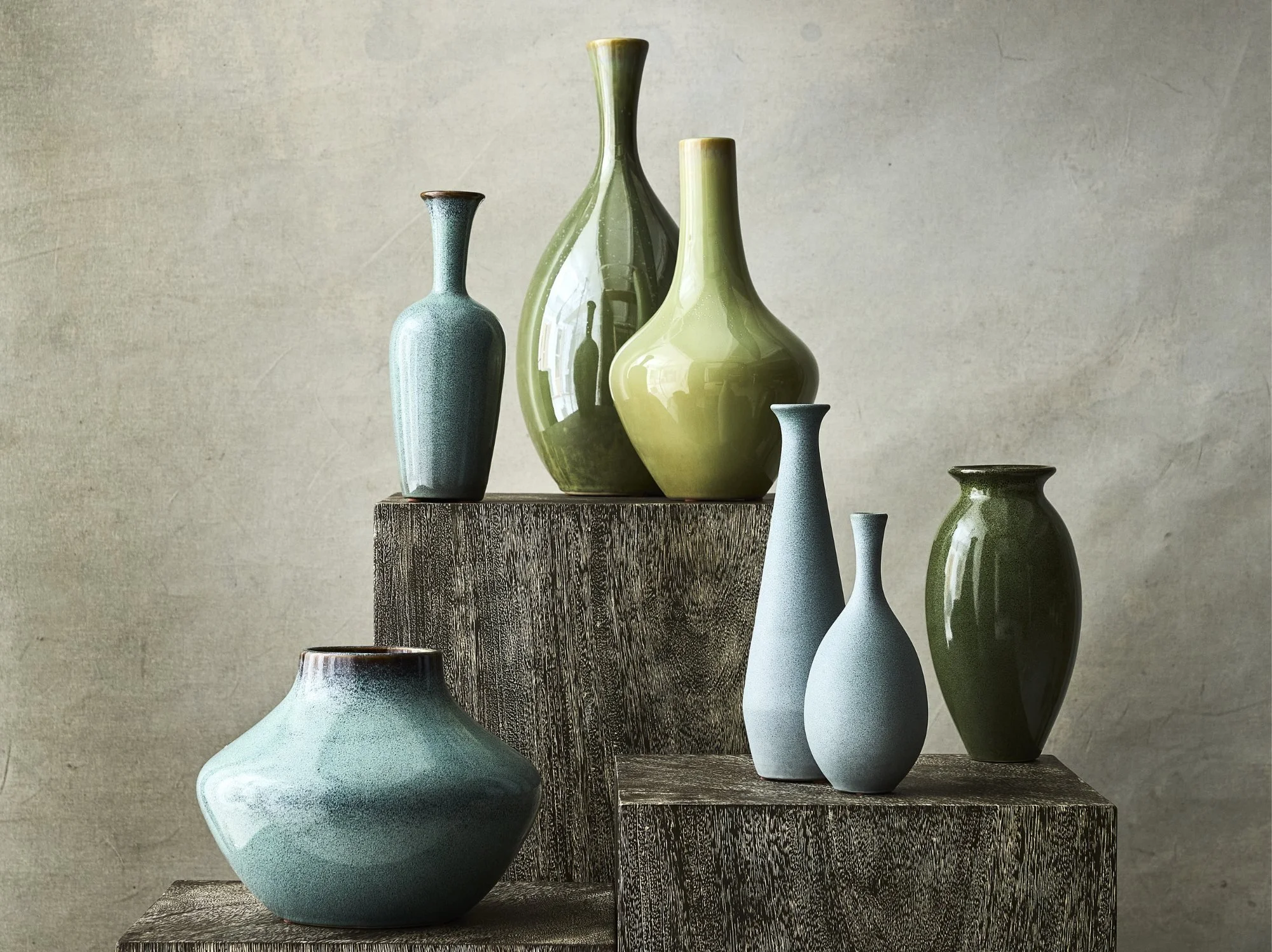
Photo credit: West Elm
The key characteristics of modern vases
Modern vases are characterised by their organic, sculptural shapes, like these beautiful designs from West Elm. Made from earthenware in a variety of finishes, they capture the artisan look which is all about the shape, texture, finish and tone. Here are the key characteristics of modern vases:
Organic shapes - irregular silhouettes, soft curves inspired by Japanese Wabi-Sabi for that hand-crafted look.
Natural materials - made of ceramic, earthenware, terracotta, concrete or stoneware for an authentic feel.
Texture - antique patinas, grain, rustic weathered finishes and ribbing for visual interest.
Artisan finishes - such as pitting, embossed, speckled, reactive and crackle glazed, as well as weathered for a hand-thrown look.
Earthy and nature-inspired tones - browns, charcoal, sand, olive green, terracotta and soft blues for a natural colour palette.
What are the different materials modern, organic vases are made from?
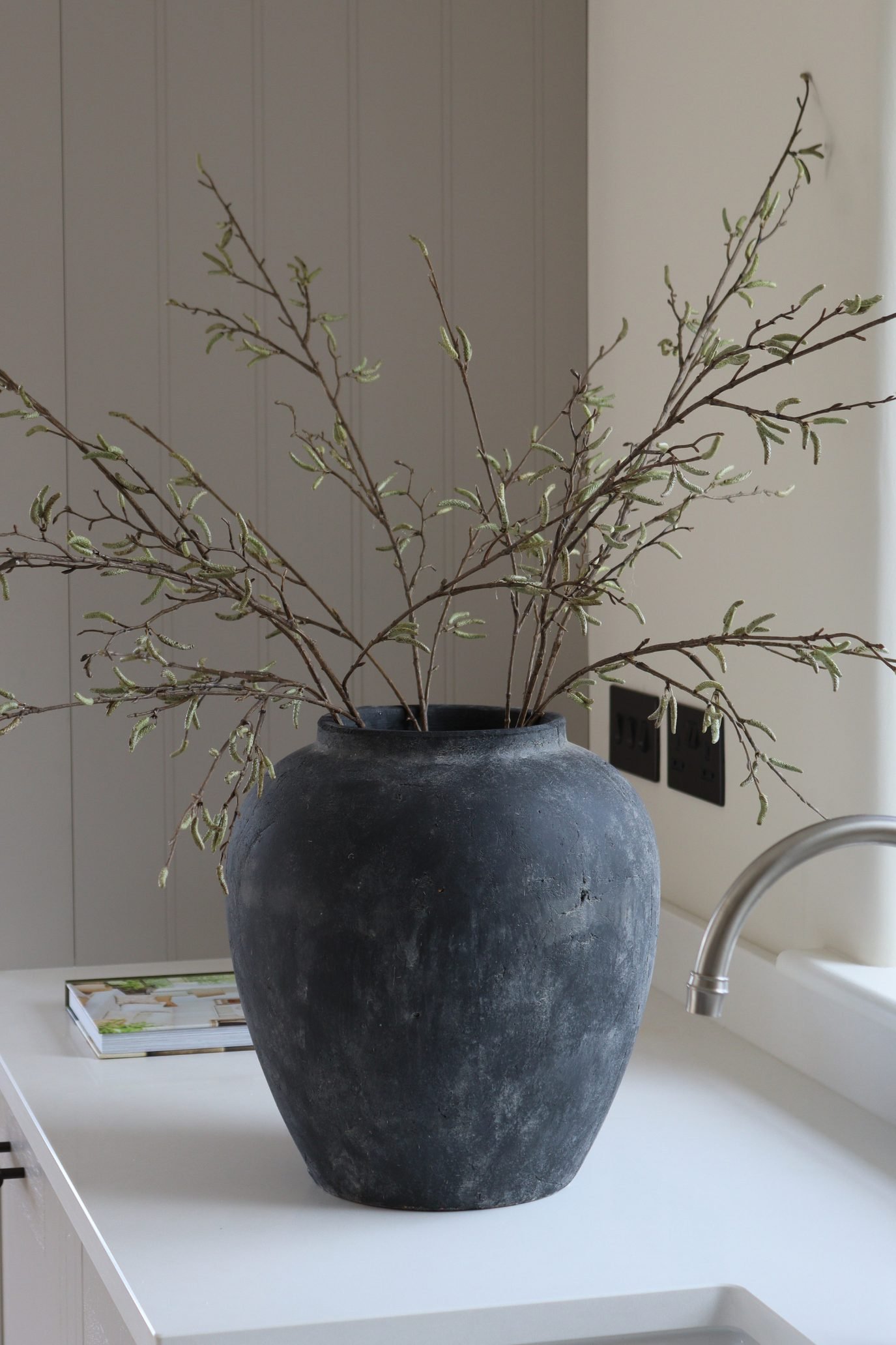
Photo credit: Marquis & Dawe
The vases are desirable not only for their shape and tone, but for their authentic-looking composition, which is largely down to the materials they are made from. Homeowners are keen to bring weathered patinas, raw textures and hand-crafted imperfections into their homes for a warm, natural look. Depending on the material used, many modern vases are designed to look timeworn or hand-thrown giving them that artisanal touch. The rustic, charcoal-toned vase pictured here is by Marquis & Dawe and is made from stoneware with a beautifully weathered finish.
Ceramic - is one of the most popular materials, as it can be moulded into a whole variety of shapes. Natural clay is used, mixed with water and fired at high temperatures. Stoneware is a more durable ceramic that is fired at an even higher temperature for a more natural and textural finish.
Stone - vases are carved from natural stone such as limestone, travertine, marble, granite or soapstone. They look and feel solid and are in muted tones with natural veins or organic texture.
Terracotta - is a traditional warm-toned clay and is either in a terracotta tone or mixed with pigment for charcoal or neutral shades.
Concrete - has a more raw, industrial look and is made from cement mixed with sand and water.
Where to display your vase
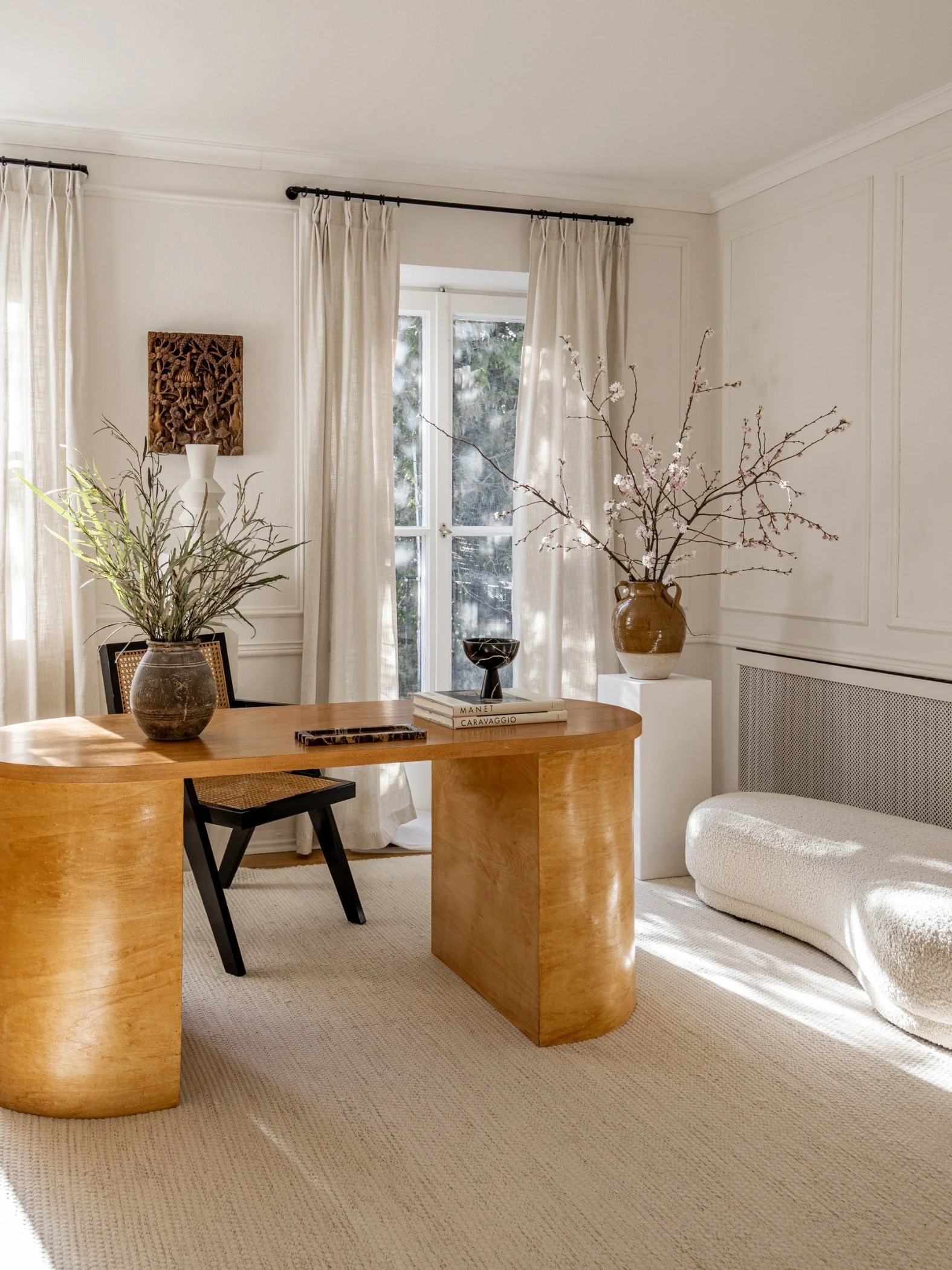
Photo credit: Katie Fischer
A modern organic-style vase is my go-to home decor styling accessory. Incredibly versatile, it can elevate almost any room and surface in an effortless way. Place it on a console table in a hallway, a low cabinet or sideboard in a living or dining room, or for that gallery feel, make it a statement piece by displaying it on a plinth. The white plinth pictured here showcases one of interior designer Katie Fischer’s beautifully glazed vases. I’ve noticed this look in homes and hotels across Europe for years, and now plinths, also known as pedestals, are becoming increasingly popular elsewhere. Modern vases also look striking displayed on coffee tables and side tables, as well as on mantelpieces where they add height and bring a natural texture to a room. Another room where you can display a vase is your home office, like Katie has done here. Adding a vase to your desk can transform your study from a rigid workspace into a more relaxed, stylish environment you’ll want to spend time in. If you would like to see more of Katie’s stunning home which is full of her gorgeous vases, visit Styling a Beautiful, Timeless Home: Inside Interior Designer Katie Fischer’s Curated Home Décor World.
Styling your vase
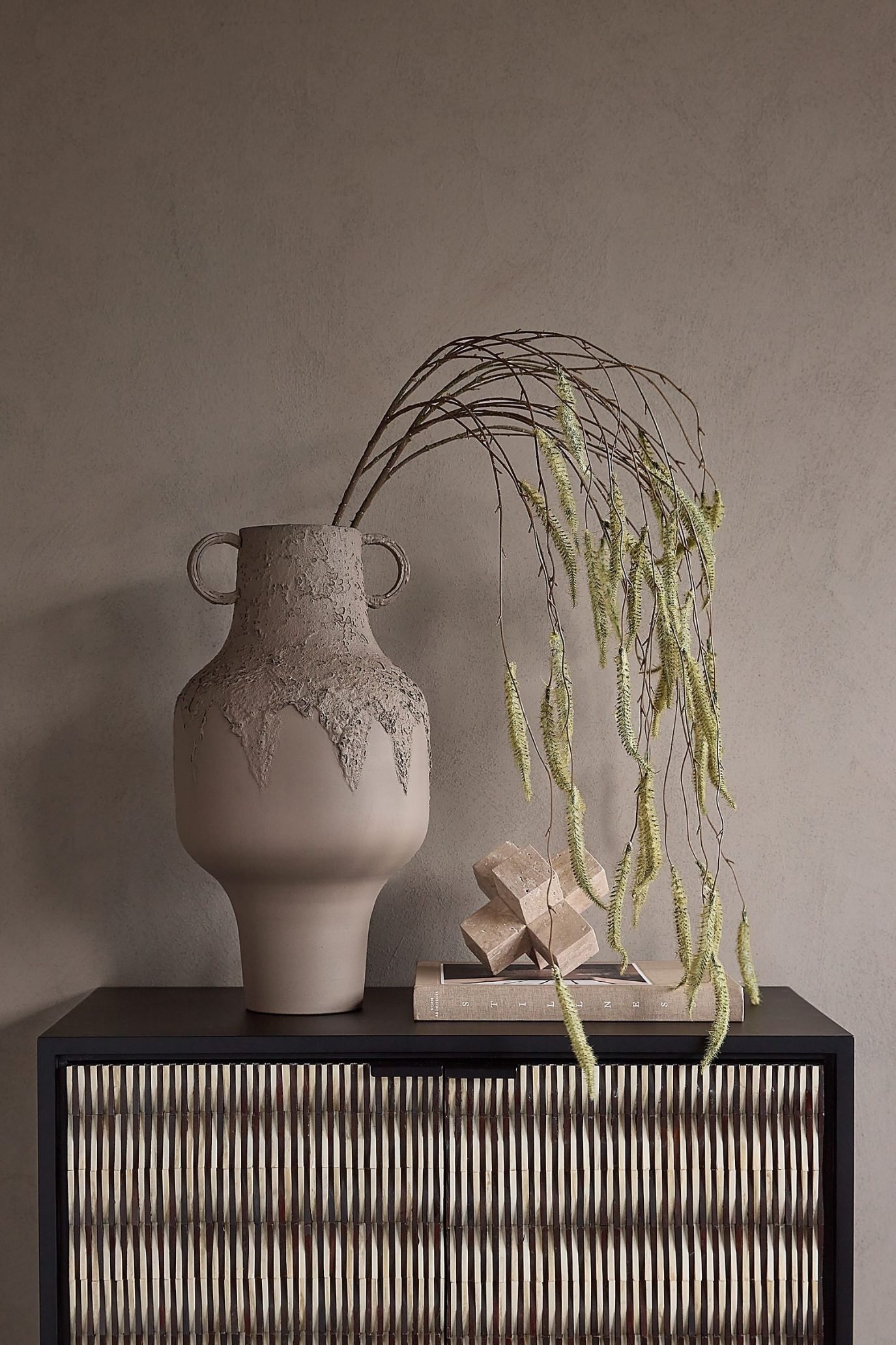
Photo credit: Next
So you’ve found the perfect spot for your vase, but how do you style it? This tall, striking vase by Libra Interiors from Next, is a great example. With its hand-applied burnished texture and rich earthy tone, it can be displayed empty, allowing for its sculptural form and artisanal texture to be the focal point. It’s displayed here with dried grasses spilling over the edge, which add visual interest and perfectly complement the vase’s organic look.
If you have space on the surface next to your vase, one of my favourite ways to style it is as part of a vignette. The vase here has been arranged next to a book topped with a decorative object, with all three items in a similar tone to create a cohesive and considered display. You could also style your vase next to a smaller vase or vessel and add another object, such as a small sculpture, candle or decorative bowl, using a couple of stacked books as a riser or as the third element.
Group your vase with objects of different heights and shapes so the arrangement feels curated, not cluttered. Styling in threes, or other odd numbers, creates a more naturally balanced display. Having said that, I also believe that modern vases can look very elegant as a pair, particularly if one is smaller in size or a different shape. Alternatively, a beautiful vase can make just as much of a statement as a standalone piece, especially if it is as stunning as the one pictured here.
Displaying flowers, dried grasses branches and leaves in your vase
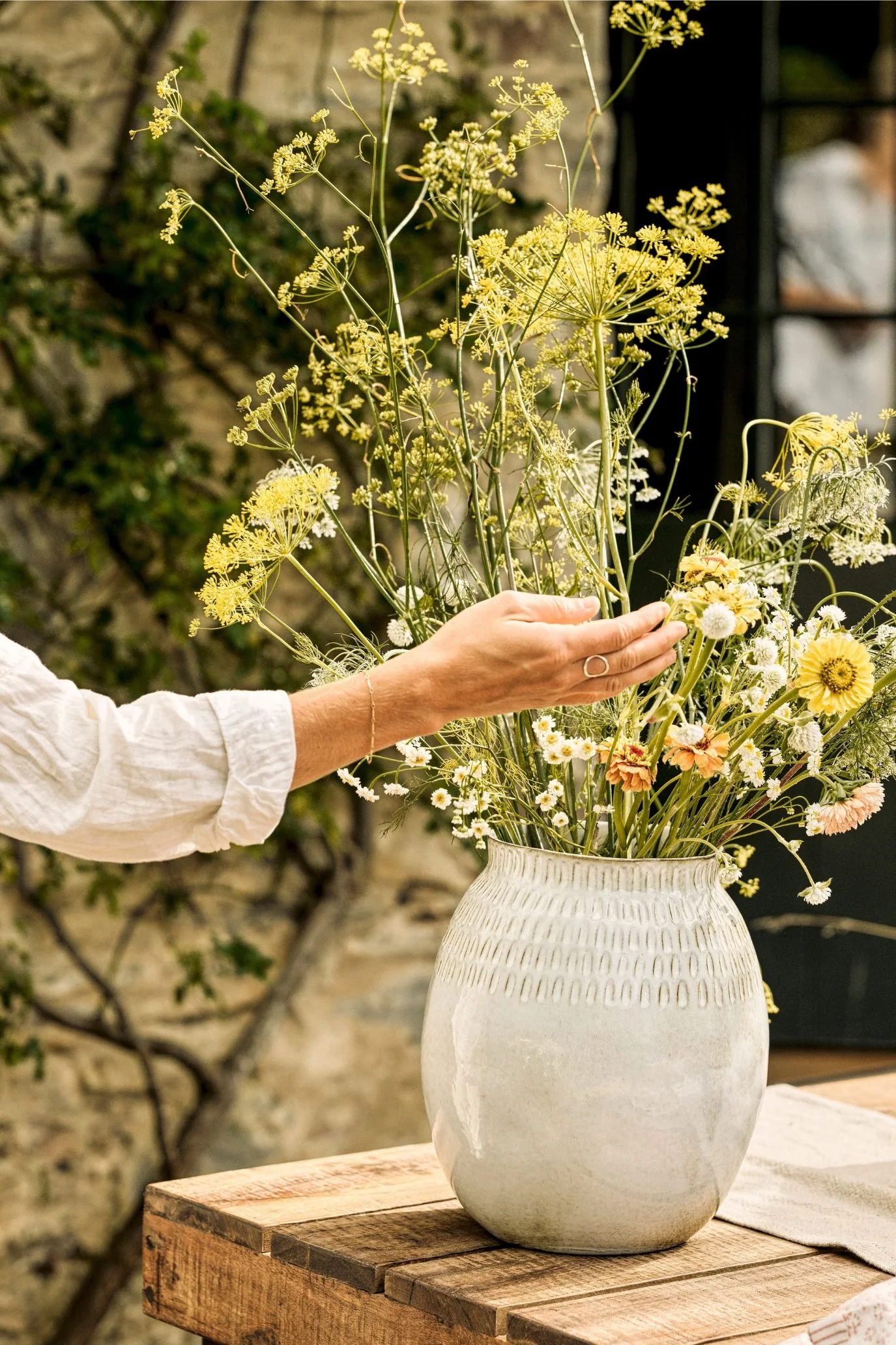
Photo credit Nkuku
When filled with flowers, modern vases create a wonderful biophilic connection, helping to bring the outdoors inside. Many vases are waterproof, like the organically shaped vase in soft natural tones by Nkuku, which has a double layer of glaze on the inside making it suitable for water and fresh flowers. Some vases, however, are porous and are not designed to hold water, but if you want to fill one with fresh flowers or blossom branches, there’s a simple solution. Find an old glass or jar that fits neatly inside the vase without getting stuck, fill it with water and arrange your favourite blooms.
If you don’t want the hassle of changing the water and providing fresh flowers: dried flowers, grasses or branches are a great alternative. They’re also perfect for the narrow topped bottle-shaped vases and decorative vessels that are not watertight. Don’t forget that faux flowers are now incredibly realistic. Many online stores now offer these convincing artificial flowers that will last the whole summer long.
I have compiled a list below of different options in each category of dried flowers, grasses and leaves for you. You might also like to read about them in my two articles - Dried Flowers - how to style, dry and preserve flowers as well as Dried Grasses, Leaves and Branches: How to Use Natural Elements in Home Styling
Dried flowers
Alliums, Cowslip, Hydrangeas, Statice, Poppy seed heads, Lotus flowers, Elderberry flowers, Fennel flowers, Strawflowers, Nigella, Larkspur, Gypsophila, Scabiosa, Honesty, Achillea.
Dried grasses
Pampas grass, Bunny tails, Miscanthus, Quaking Grass, Copper beech leaves, Wheat grass, Fluffy reed grass, Foxtail millet, Palm spear, Canary grass, Oat grass.
Dried leaves
Eucalyptus leaves, Copper beech leaves, Ruscus, Ferns, Magnolia Leaves, Fan palm leaves.
Oversized vases
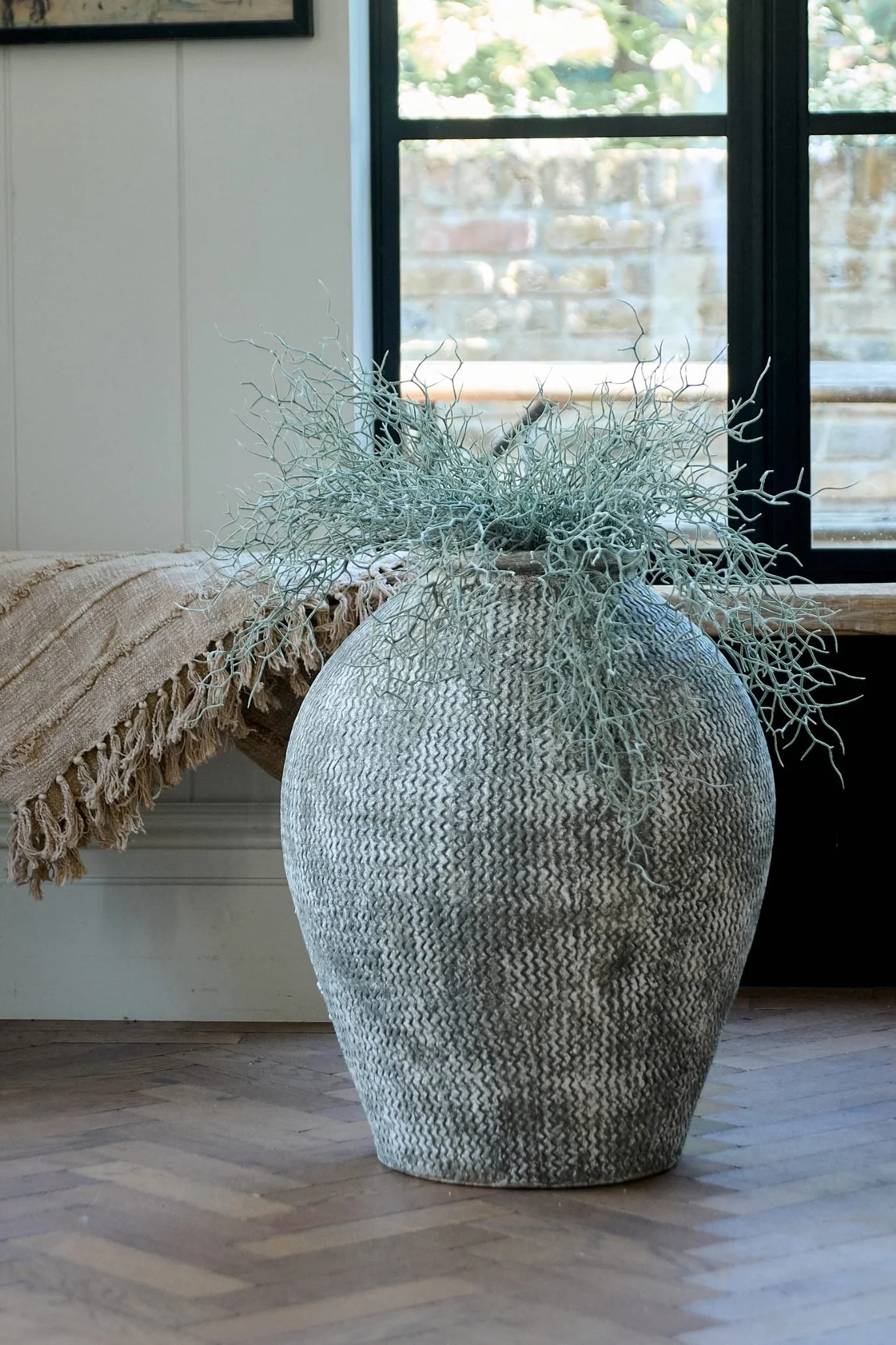
Photo credit: Abigail Ahern
An oversized vase has real presence wherever you place it. It’s perfect for filling an awkward corner or empty space, but can also be the focal point of a room. These impressive vases add instant style to spaces such as an entryway or landing that may be too small for a side table or accent chair but still need something. You can position them on the floor beside a fireplace, in the hallway, next to a sofa, or as a standalone piece. Two vases in the same design but different in height and shape can also look stunning. Try filling one with dried flowers or branches, while leaving the other empty to showcase its form.
This striking terracotta vase pictured here from Abigail Ahern, with its subtle zigzag pattern and artisanal finish, stands an imposing 60cm tall, making it a stunning statement piece. Floor vases also come in a variety of shapes. While a large room can carry a wider design, a slimmer design may work better in a narrow or smaller space. If you really want to create the wow factor and have the space, try placing your floor vase on a table or plinth and filling it with flowers or branches for a dramatic display.
Antique and vintage vases
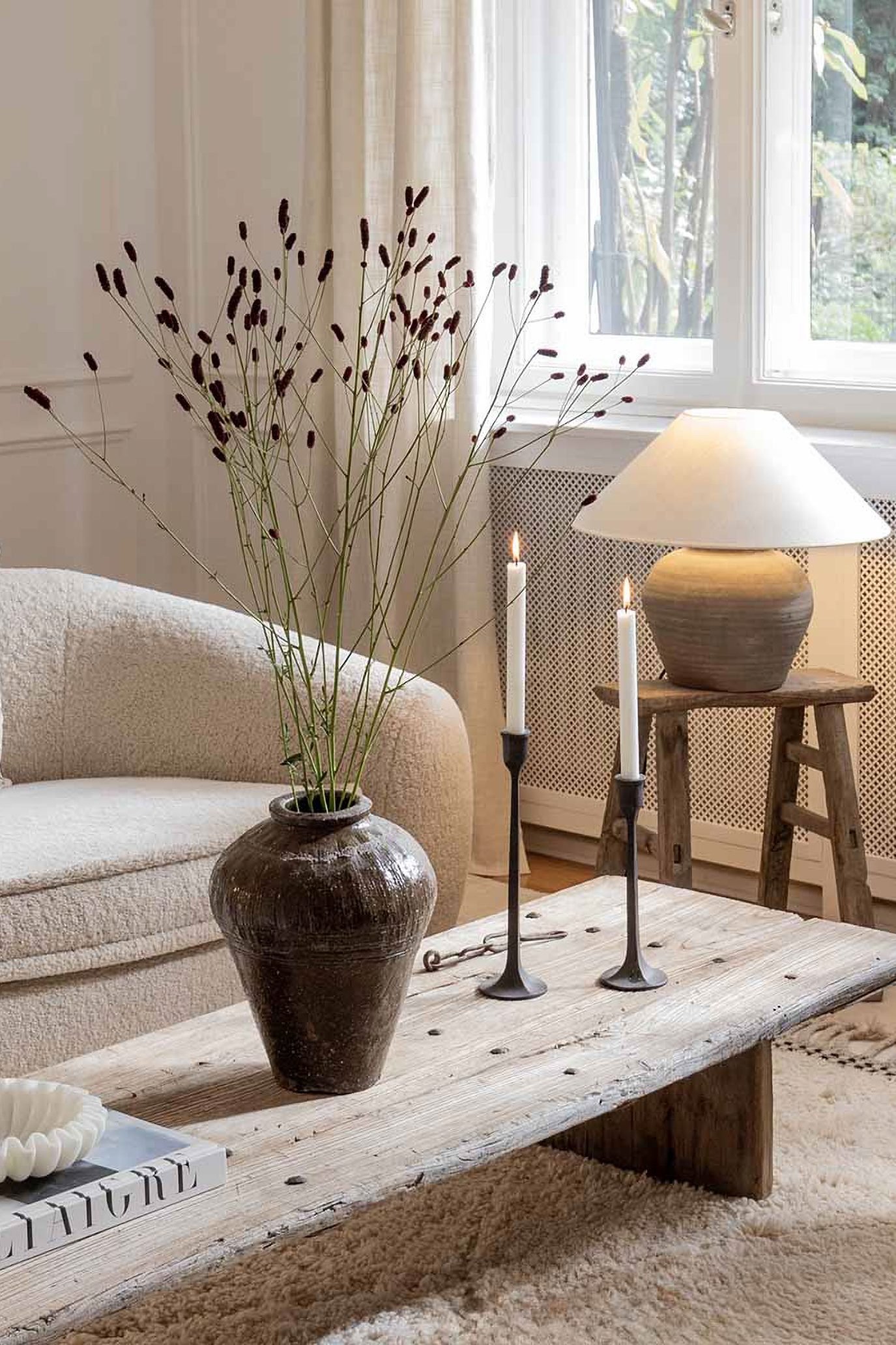
Photo credit: Katie Fischer
Vintage and antique pottery adds depth, warmth and a sense of history to even the most contemporary interiors. As each piece is unique, these classic vases are highly sought after for their weathered appearance, authentic patina and irregular shape. With its original texture and gently tapered form, this striking antique clay vessel from Katie Fischer is over 100 years old. It showcases timeless charm and character, and has been styled here on a rustic coffee table alongside iron candle holders and a large, glossy hardback book. Its deep earthy tones contrast beautifully with the bouclé sofa and neutral palette of Katie’s Organic Modern living room. It would look equally stunning displayed on a console table, on a plinth or as the centrepiece on a dining table.
Popular vase finishes and textures
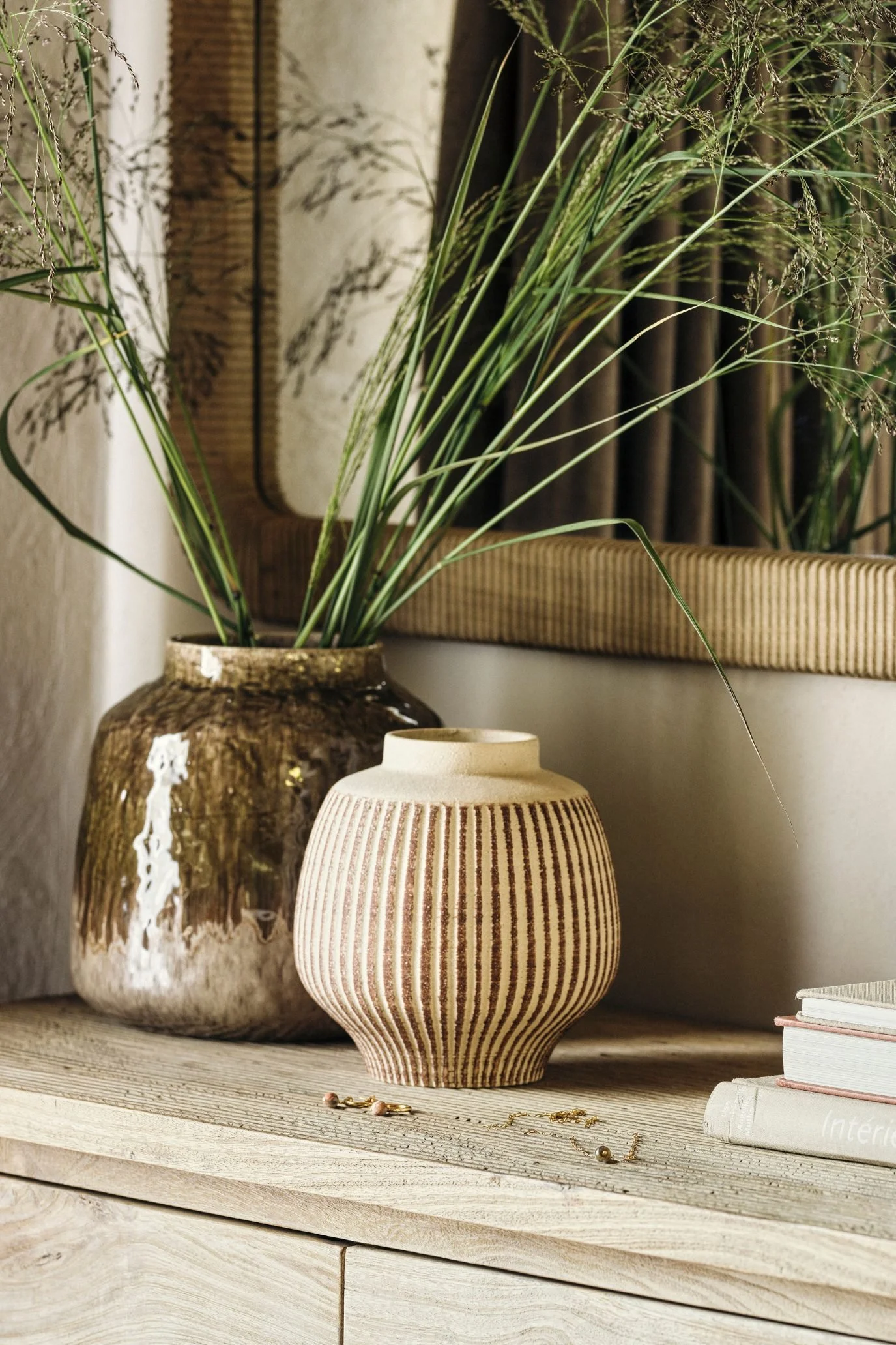
Photo credit: Nkuku
The finish of a vase makes a huge difference and is an important part of its design, like the glazed vases by Nkuku pictured here. Finished with a reactive glaze, these understated, rustic design blend effortlessly into any interior style. The vase on the left features a muted, natural palette in two soft tones, finished with a speckled reactive glaze that gives each piece a subtly textured surface. The vase on the right has a ribbed design in two complementary natural tones. Below are some of the most popular finishes explained.
Weathered or aged: This finish is achieved by layering glazes or washes and distressing the surface for a timeworn patina.
Glazed: A glaze can be satin, glossy or matt and is created with the application of a liquid coating made from silica and minerals and applied to the vase before it is fired in the kiln. The glaze then melts and bonds with the clay during firing and creates a decorative finish.
Ribbed: By using a mould, either raised vertical or horizontal bands are formed by shaping the clay while it is still soft.
Fluted: To create this popular look of elegant lines, vertical grooves or channels are carved into the clay or formed using moulds.
Speckled: This is created with small flecks of contrasting clay or minerals which are added to the clay or glaze before firing.
Crackle glaze: A specially formulated glaze contracts and expands during the firing process to create a network of fine cracks.
Reactive glaze: Rather than being solid in colour, this glaze creates a variegated finish with interesting gradients or an effect such as mottling.
Pitted: By incorporating coarse minerals or by using textured glazes, tiny indentations are moulded into the clay before it goes into the kiln.
Where to buy organic-style modern vases
Athena Calderone for Crate & Barrell
LET’S SUM UP
I hope this article has given you an insight into modern vases, which are becoming one of the key home decor essentials for styling your home. If you would like to read more about other home decor items that can help make a home feel finished, head over to my article Home Decor Essentials. You might also enjoy Interior Styling :What is it and How To Create a Beautiful, Cohesive Home, which is full of styling tips.
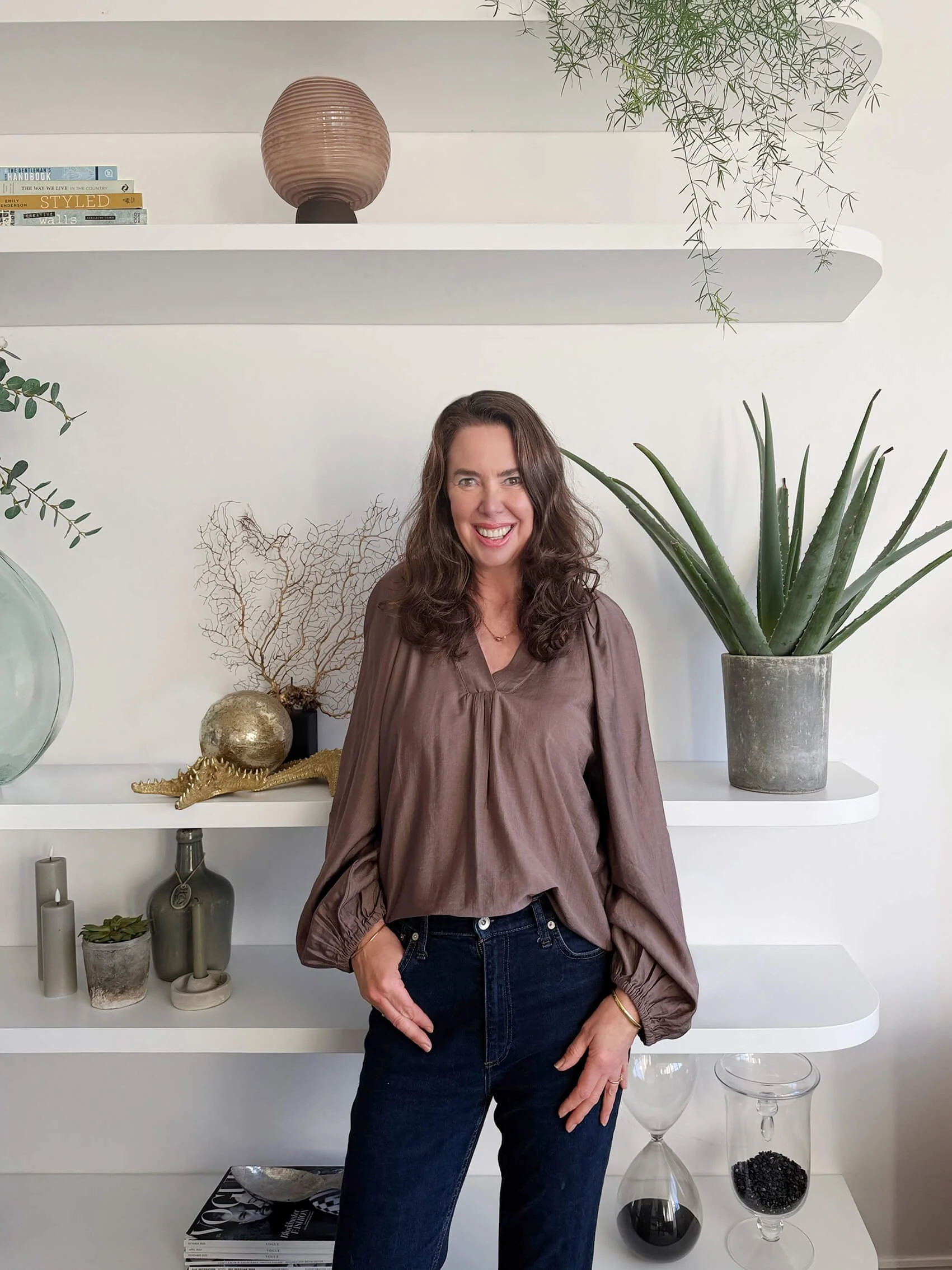
I’m Sandra, and this blog is about interior styling for real homes. If you love interiors and want your home to feel stylish, pulled together, yet still personal, you’ve come to the right place. I’ll be sharing styling advice to help you edit, layer, and finish your home with confidence, alongside articles on what’s happening in the interiors world — from design events and colour stories to features on interior gurus - so you get the full picture.
I also take you on tours of beautifully styled homes from around the world, offering inspiration and styling ideas to steal for your own space. Ultimately, I’ll show you how a little bit of styling can be transformational and take your home to a whole new level.
If you’d like to find out more about me click here