Home Decor Essentials to Style Your Home and Make a Room Feel Finished
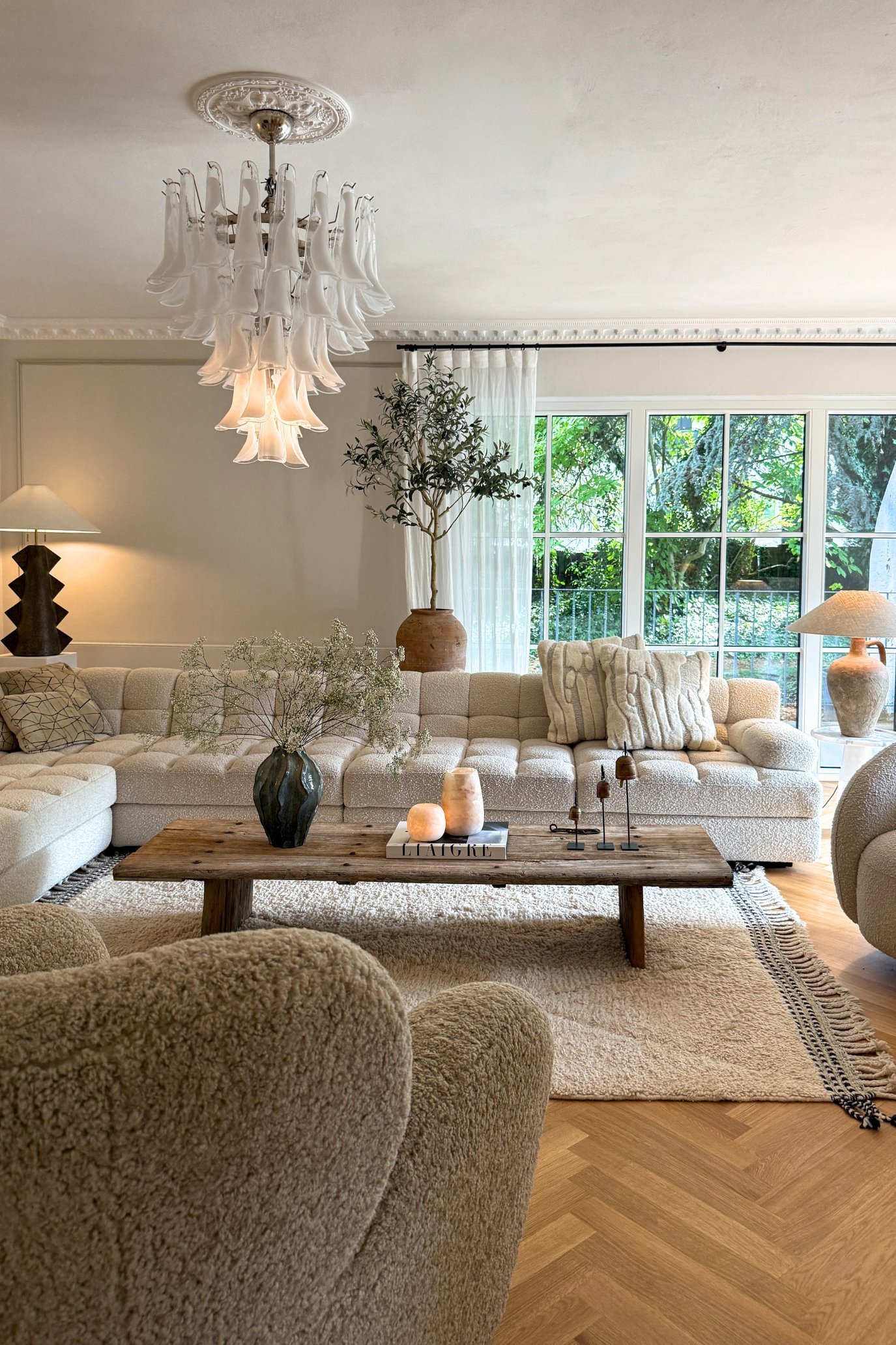
Photo credit: Katie Fischer
You’ve decorated the room beautifully with the furniture in place - but it still feels empty. This is where home décor essentials come in. These finishing touches can completely transform a space - adding style and personality. This image is from the home of global interior designer Katie Fischer, and you can see how the rug, cushions, lamps, pots, plants, candles, hardback books and chandelier all play a crucial role in tying the look together. Katie sums up what interior styling with home décor is really all about. “It’s about atmosphere,” Katie explains. “Interior styling gives a space its soul and brings warmth, character, and emotion into a finished interior.”
As a photographer and stylist, I have turned up to shoots where the home was architecturally stunning and beautifully designed, yet it felt soulless, lacking in those thoughtful touches that make a space lived-in, characterful and, of course, stylish. That’s when I’d use my go-to styling kit - soft furnishings, home décor, plants and flowers I had packed in my car. Often it’s not the fancy kitchen or bathroom that lands a house in a magazine - it’s the details - layered textiles, personal objects, flowers, plants and greenery that make it feel lived-in and alive.
In this article, I’ll walk you through the key interior styling pieces you can use to revamp your home. These are the elements that introduce colour, pattern, texture and contrast. If you want to explore styling in more depth, check out my recent post on Interior Styling: What is it and How To Create a Beautiful, Cohesive Home.
What are the key home décor essentials for a stylish home?
Vases and vessels can be styled with flowers, branches or, if they have an eye-catching texture and shape, left empty.
Rugs add warmth, as well as introducing colour and texture to a room. A rug can also be the key anchor for your furniture set-up.
Table lamps are key styling tools and can introduce a particular vibe and add atmosphere to a room.
Cushions: introduce colour, texture and shape to a sofa, chair or bed. Mix patterned with plain and combine different fabrics and finishes for depth and interest.
Mirrors can be hung on the wall or leaned against the wall on a surface. As well as reflecting light, they create a sense of extra space.
Throws can be placed on sofas, chairs and beds to bring in another layer of texture, tone and warmth, while softening the look of a space.
Personal artefacts, a vintage heirloom or something you find on your travels, bring an individual feel to your home.
Hardback books make ideal styling items for shelves, coffee tables and other surfaces, either stacked on their own or with a small vessel placed on top.
Candles and candle holders add height to surfaces, while scented candles in a glass jar look gorgeous and bring a subtle fragrance into the home.
Houseplants and greenery. Very few rooms look good without some form of plant, whether it’s a vast bird of paradise, a small succulent or a trailing species.
Art and wall decor can be displayed on walls or styled as part of a vignette, leant against a wall on a console or shelf. Photo frames can also be used to display both family photos and art.
Trays. Whether it’s a rustic wooden tray, a contemporary metallic or lacquered piece, a tray is a stylish object to group together decorative and practical items.
Bed linen. Along with cushions and throws, there are other items that can really help you create a more luxurious, hotel-style look, including bed linen - duvet covers and pillowcases as well as bedspreads.
Kitchen pieces. Earthenware plates, bowls and cups also look beautiful stacked up on open shelving in the kitchen or dining room, as do a pestle and mortar, salt and pepper grinders and other attractive kitchen items. Rugged wood or vintage boards make great styling pieces in the kitchen and can be displayed on a worktop or propped up on a shelf.
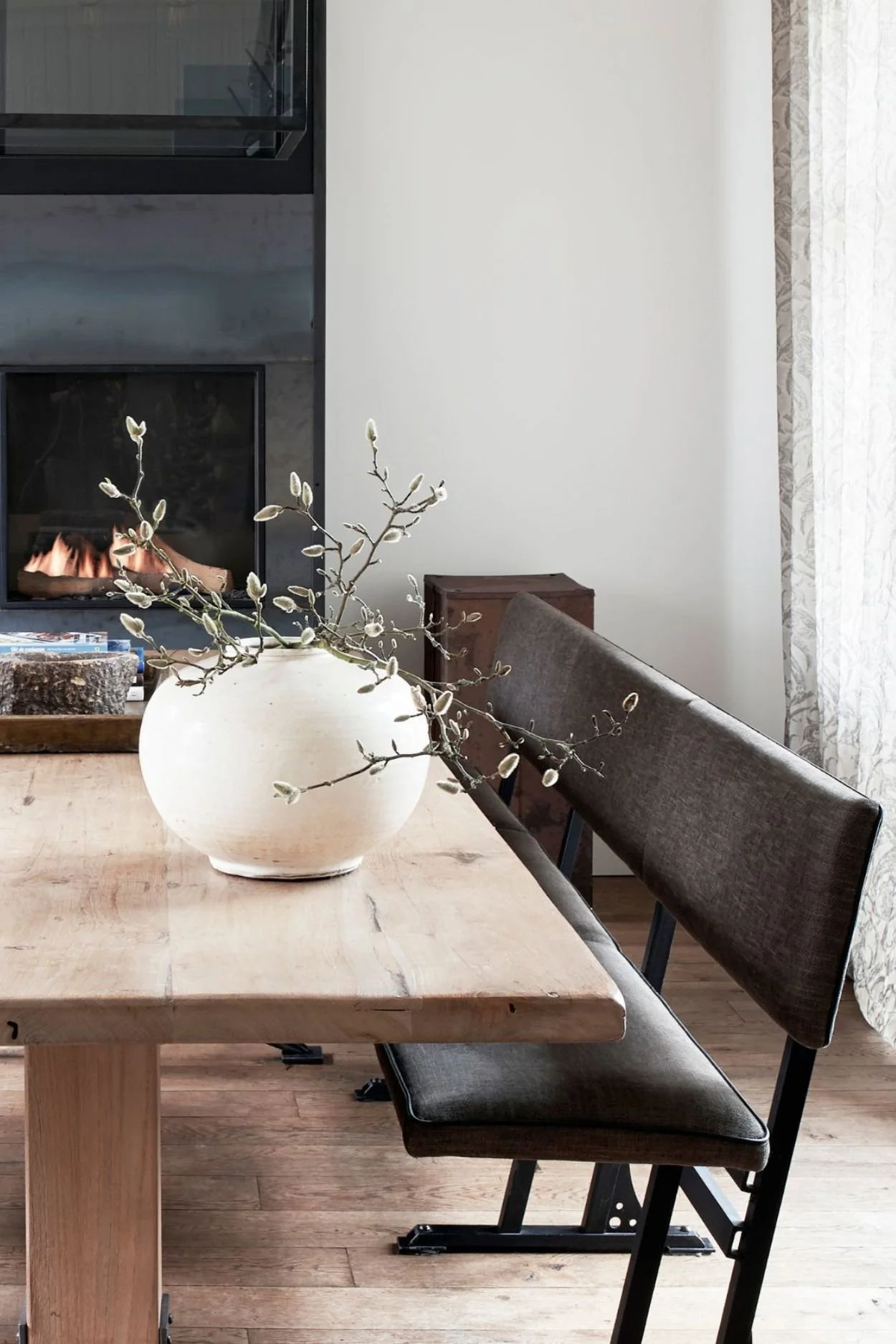
Vases and vessels for a stylish home
This round ceramic vase, styled with a single branch of pussy willow, is a great example of how a vessel doesn’t need flowers to make an impact, as branches can be just as stunning.
Photo credit: Sandra van Aalst for Stijlvol Wonen magazine feature
I believe that one of the simplest, yet most stylish, home décor pieces is a vase or vessel. Vases have evolved beyond their traditional function and are now often used as statement styling objects, rather than simply serving as a container to display flowers. Whether they’re made of glass, stone, clay, ceramic, rattan or metal, their sculptural forms and textured finishes can instantly enliven any surface.
Display them with flowers, fresh green leaves or even bare branches. You don’t always need to fill them either, as some look striking left empty. You can also group a few together in varying textures, shapes and sizes. For example, I have displayed a group of white vessels - a smooth ceramic next to a textured, handcrafted one alongside a papier-mâché pot, which together create a soft, textured look. A beautiful dish is another type of vessel that can work in a similar way and can be used functionally to hold collections such as pine cones or shells, or displayed on top of a stack of books, for example, as a sculptural object.
Styling Tips
When grouping vases and vessels, display them in odd numbers as it usually creates a more balanced look. That said, even numbers can work too, especially if they are quite large or if the shapes or textures are visually interesting.
Don’t be afraid to opt for unusual shapes that are irregular or playful, such as the popular face-shaped vases, which will instantly draw attention and add a sense of fun and charm to a room.
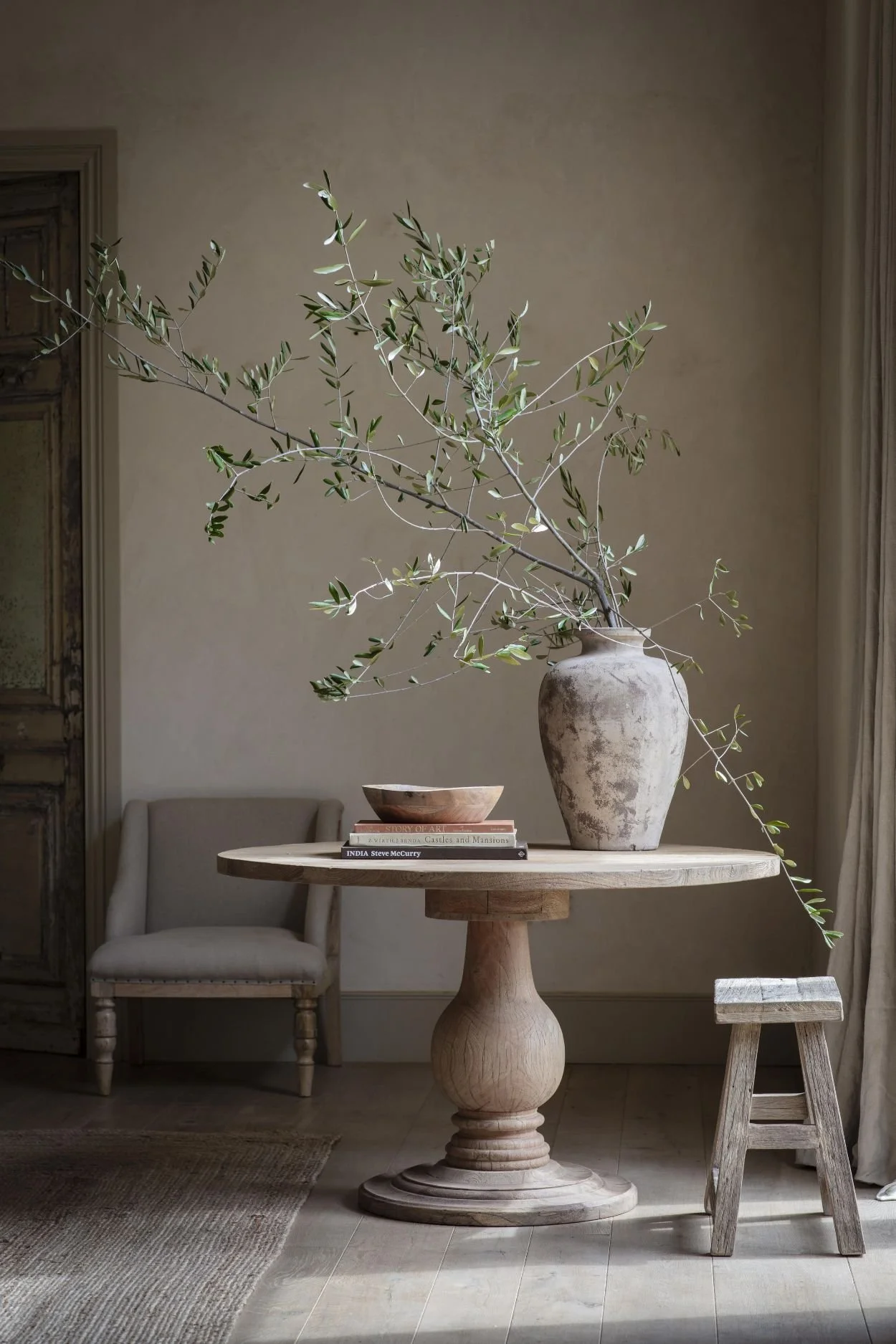
Styling with branches in ceramic, stone or clay vases
This stunning rustic, clay tapered pot really makes a statement on this wooden table, both by Nkuku, especially when filled with a generous branch of olive leaves. It’s a great reminder that you don’t need to hold back, as placing a large branch in your vase or vessel not only brings in greenery, it adds height and drama to a room.
Photo credit: Nkuku
Stying in the home with glass vases
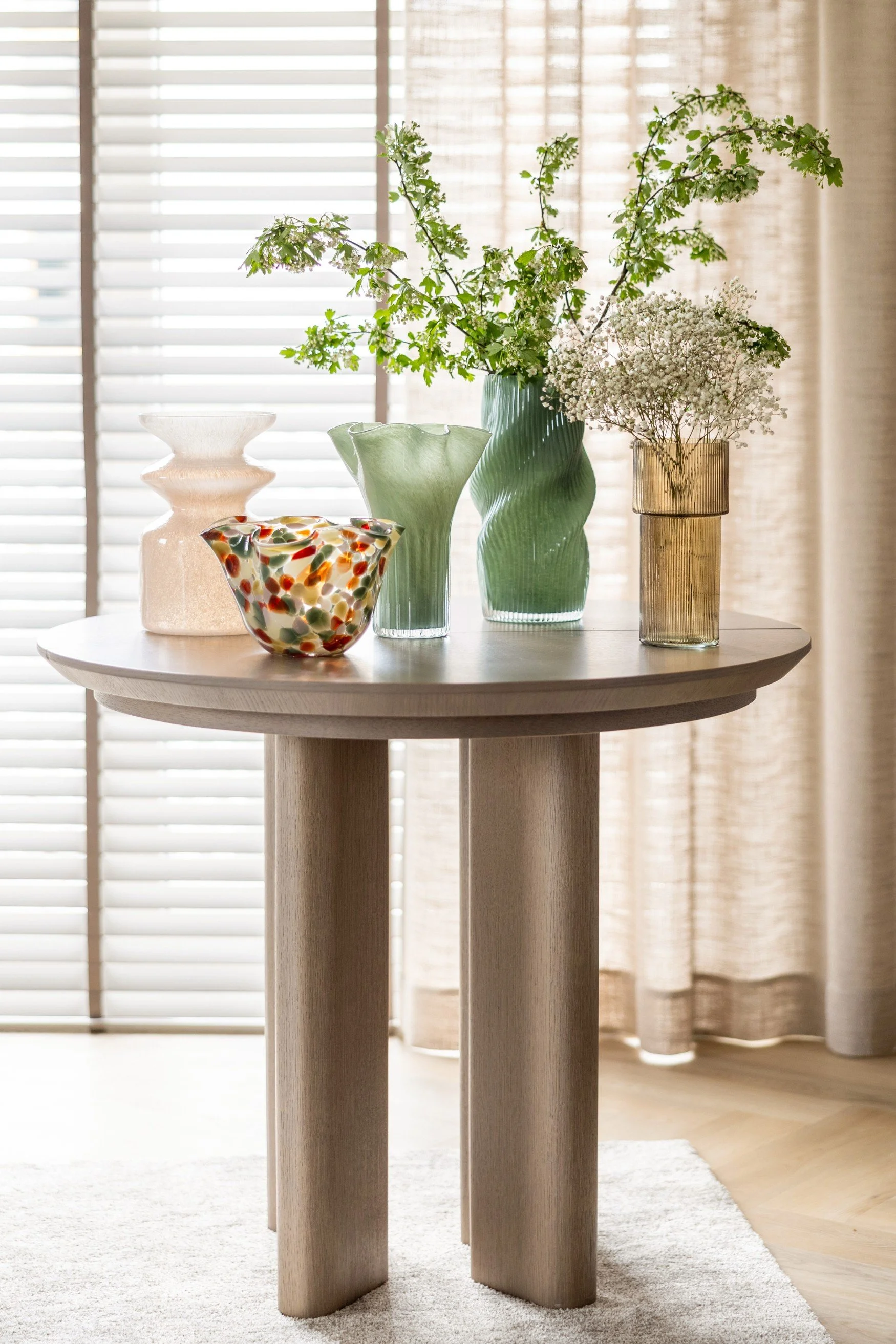
While many of us are choosing stone and ceramic vases, glass vases remain popular due to their timeless appeal. These vases by German brand Dekoria show just how varied glass designs can be, from contemporary shapes to the more classic. In soft, muted tones, as well as a multi-coloured design, they work beautifully together on the side table, creating a cohesive display. To achieve a curated look, you can group vases by material, whether that’s glass, ceramic, or hand-thrown stone or clay pieces.
Photo credit: Dekoria
Displaying plants in interesting shaped vessels
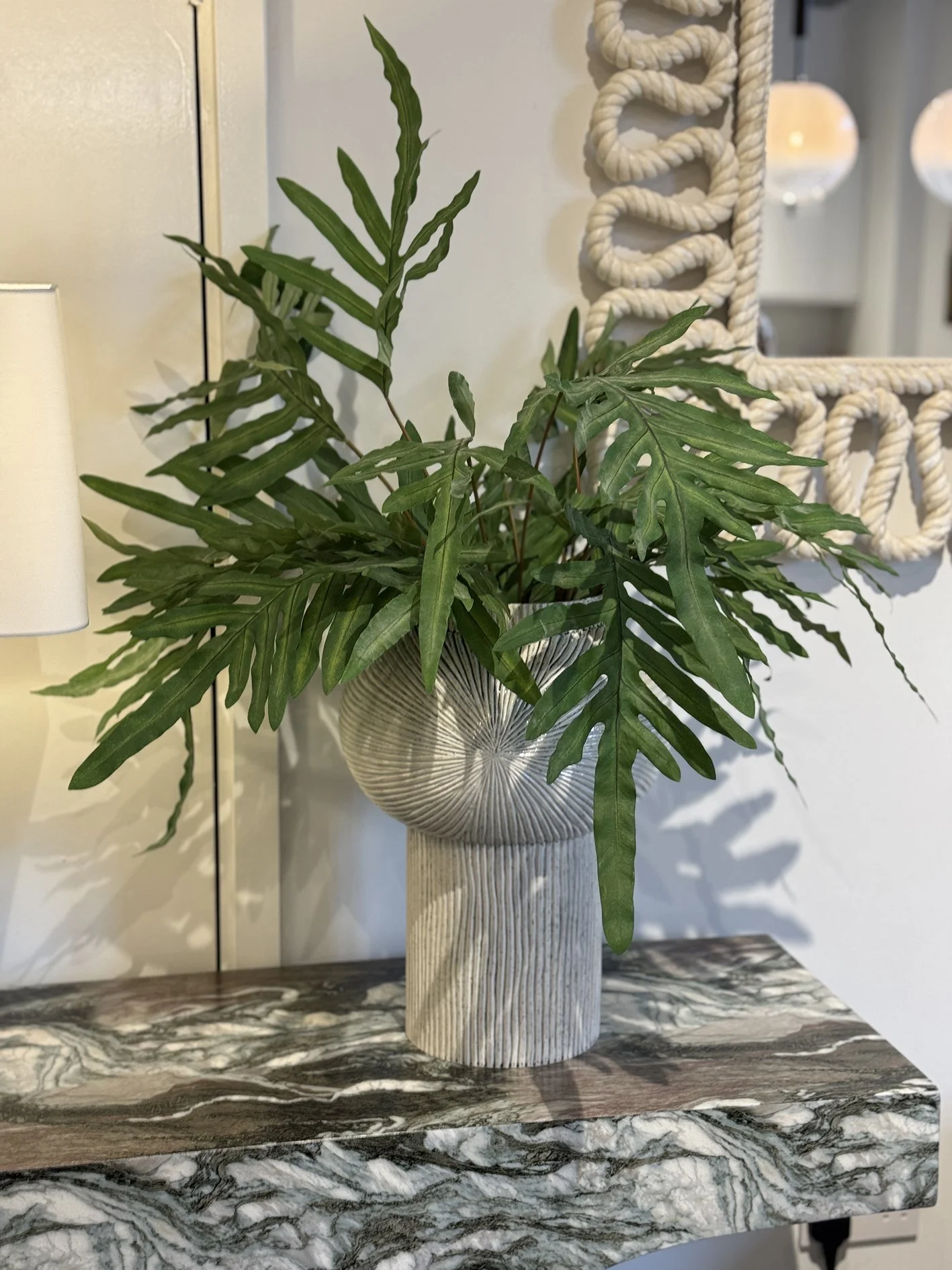
This contemporary pot looks stunning with a plant as a standalone piece on a console table, but it would work just as well on a mantle or sideboard/credenza. A large vessel, especially when paired with a plant, looks impressive alone, but could also be styled in a vignette with other items.
Photo credit: Sandra van Aalst at The Design Centre, Chelsea Harbour
Styling with stand alone vessels
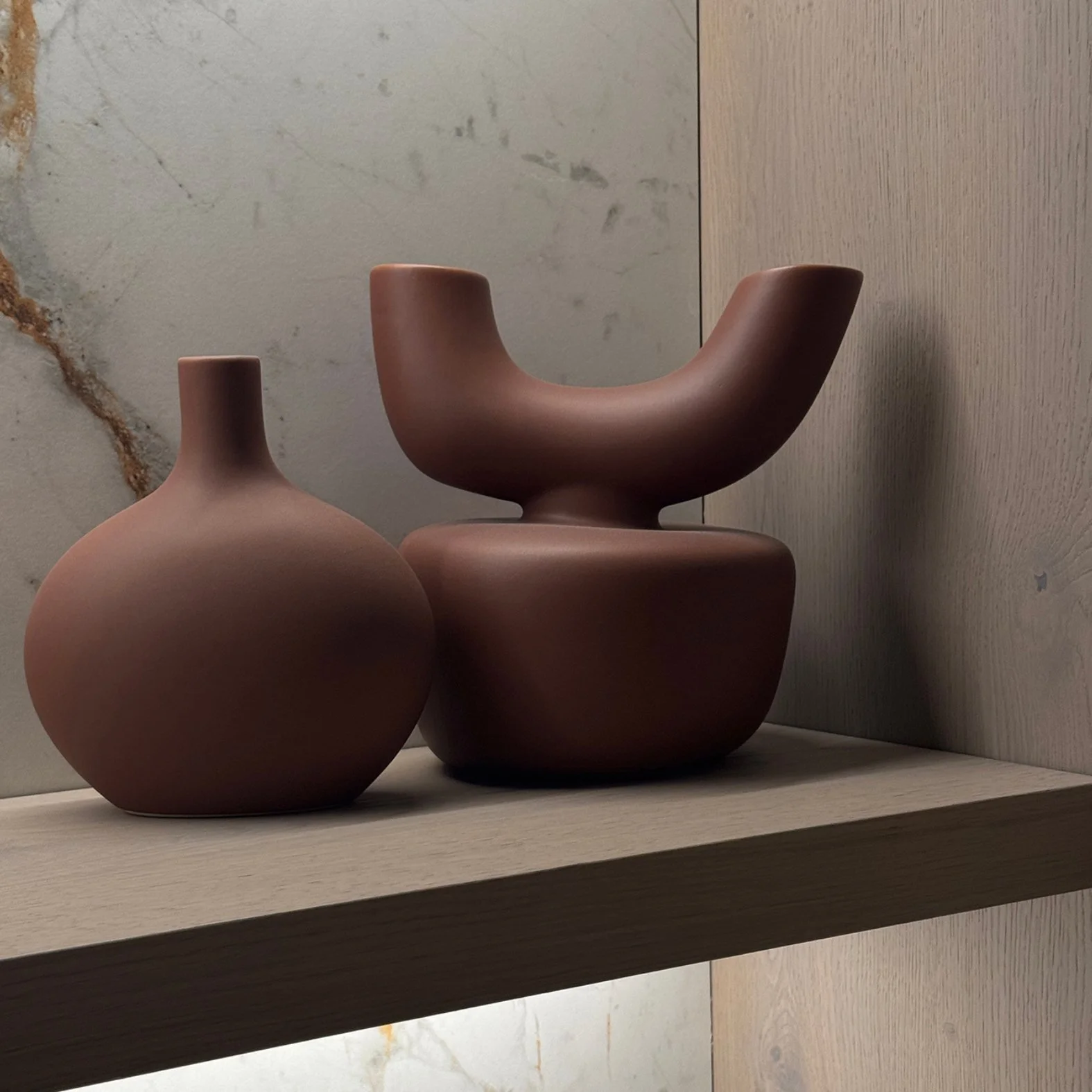
The two deep-toned terracotta vessels have beautiful sculptural shapes and are a great example of how vases and vessels don’t always need to be filled with flowers, branches, or greenery. I photographed this attractive pair at design week to show that, grouped together, even numbers can still work brilliantly when styling home decor.
Photo credit: Sandra van Aalst at The Design Centre, Chelsea Harbour
Creating a stylish home with rugs
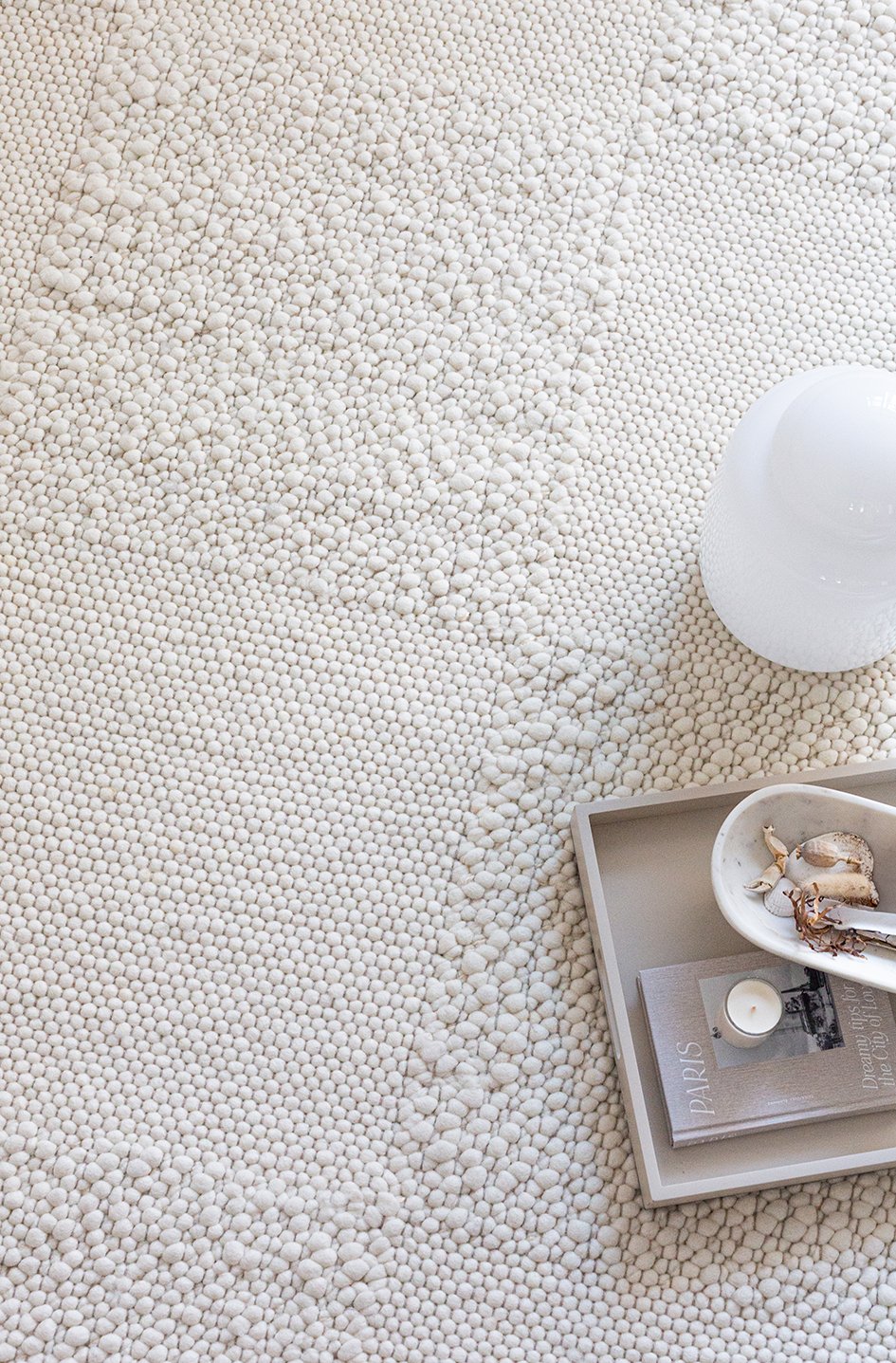
Rugs are my number one interior item - they anchor furniture, define a space, and add colour, warmth and style. Pictured here is a wool-cotton rug from Holly Becker’s Purist rug collection, inspired by the Scandi-Japandi aesthetic.
Photo credit: Holly Becker
For centuries, rugs have been a staple in interiors across many countries and continents. Today, more people are ditching wall-to-wall carpet in favour of a rug. Whether it’s a handwoven vintage design for a living room or a weatherproofed one for outdoors, a rug isn’t just functional - it can really elevate a space. Rugs are such foundation pieces, and I have them everywhere - even on my terrace and balcony! When I’m furnishing or decorating a room, I almost always start with the rug. It sets the tone for the colour palette and overall look of the space. I recently redecorated my living room, swapping aqua tones for terracotta, and it was the vintage-style wool rug from Soho Home that inspired the entire change. From the off-white walls having subtle pink undertones to the cushions and home decor pieces I chose, everything stemmed from the rug.
With so many designs available, there’s a rug for every room and budget. Jute rugs work beautifully in coastal homes, tufted designs give off a relaxed, boho vibe, and if your style is more mid-century modern, a geometric rug might suit your scheme. Contemporary homes often feature vintage-style rugs or even handcrafted Persian rugs that create a striking contrast when paired with minimalist furniture. Kilim and Moroccan rugs, meanwhile, are incredibly versatile, adding colour, and pattern and warmth across a range of interior schemes.
Handwoven and hand-knotted rugs, crafted by artisans, are typically made from natural fibres like wool, cotton, or silk. They often feature unique designs and rich textures, but usually come at a higher price than machine-made alternatives. The material and construction method also affect the price and performance. Synthetic, machine-made rugs are more affordable and come in a wide range of designs, making them a good option for many homes. However, their handwoven, natural counterparts often offer that luxurious feel, unique designs and a long-lasting quality.
There is also a huge range of indoor/outdoor rugs that are made from weather-resistant and highly durable materials. I have three of these outdoors and even one under my dining room table, where it works perfectly for everyday spillages. I added a rubber underlay, which not only prevents the rug from slipping, but gives it a softer, more plush feel underfoot. If you’d like to find out more about outdoor rugs, you may enjoy my feature on Outdoor Rug Ideas to Transform a Patio, Garden or Terrace.
Styling Tip
In general, opt for the largest rug that comfortably fits your room, as this will make the room feel more spacious, whereas a small rug can have the opposite effect and make a room look fragmented.
Bringing in your interior style with a rug
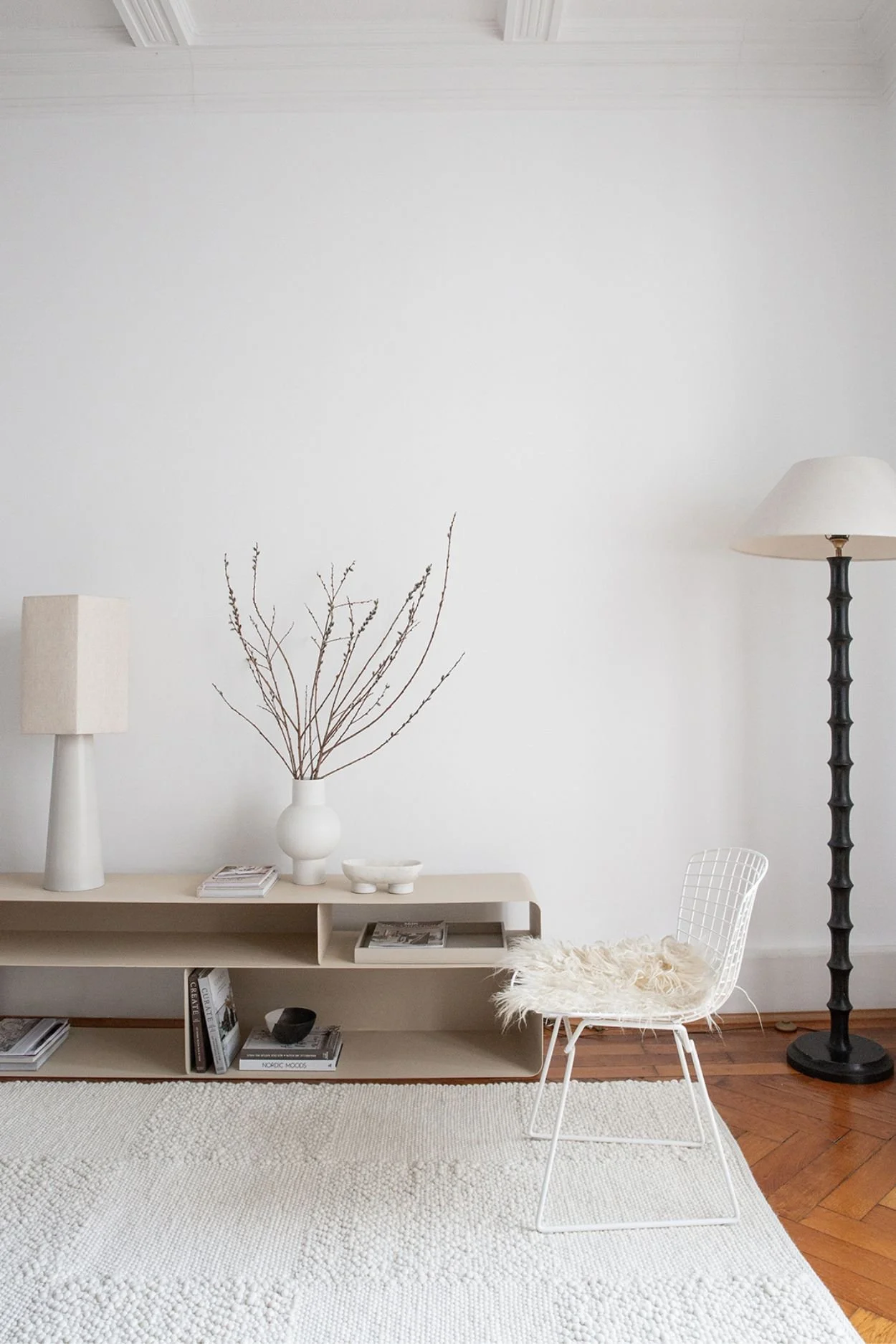
There are so many rug designs to suit different interior styles and personal tastes. Take the gorgeous chequered-style wool-linen rug pictured here, designed by interior guru Holly Becker. Inspired by the calm, minimalist Scandi-Japandi aesthetic, it’s part of her sensory Purist rug collection. Holly has captured the look beautifully, pairing the rug with a chair, lamps, books, vases and vessels - all in a pure white palette - creating a serene and cohesive space.
Photo credit: Holly Becker (photography and styling) Decor8
Introducing colour and pattern with a rug
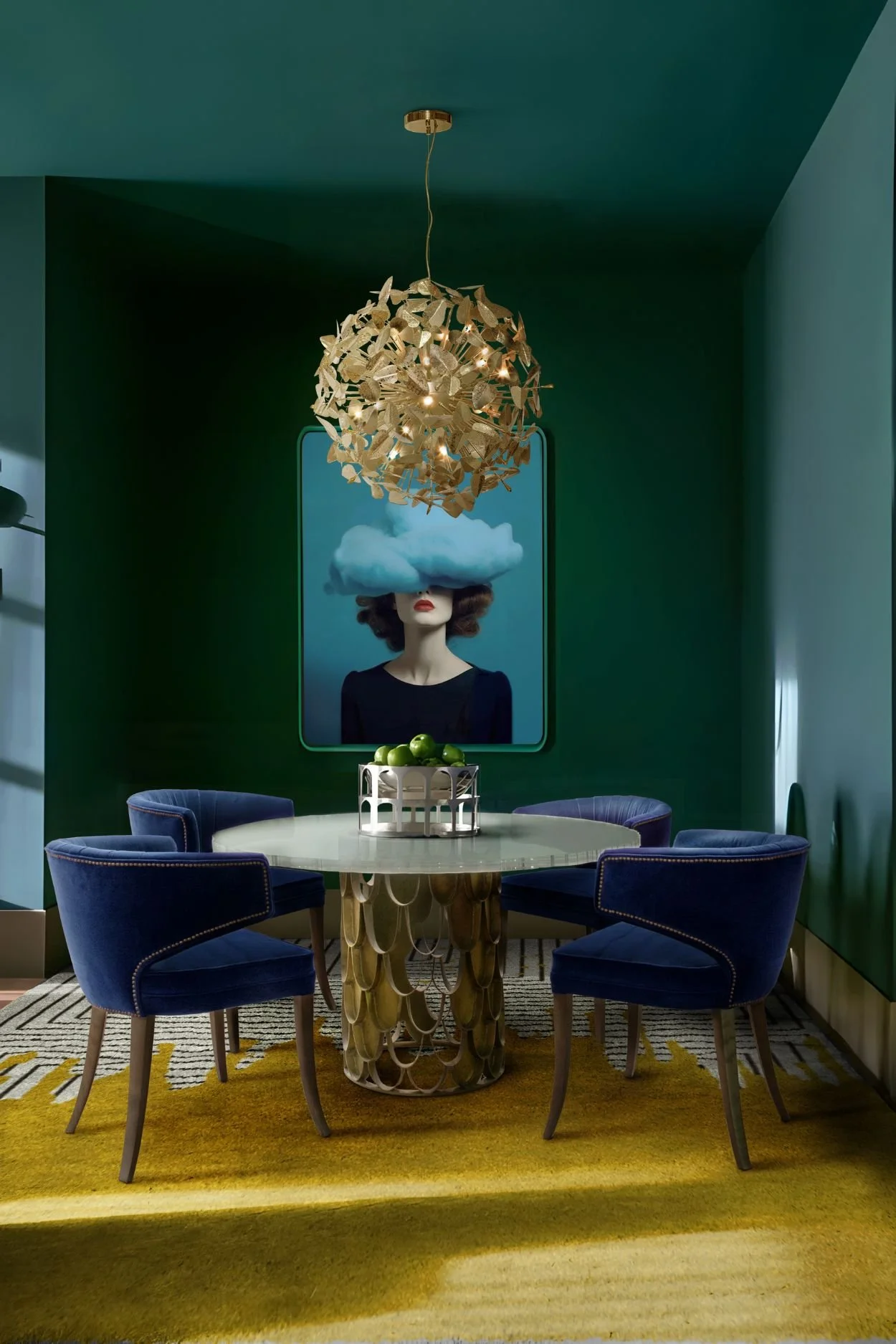
This exquisite yellow-toned silk rug from The Rug Society brings this living room to life, creating a striking contrast with the dramatic deep teal walls. When redesigning a room, start by choosing your rug first, as this will act as the foundation for your colour palette, soft furnishings and home decor.
Photo credit: Rug’Society
Adding a rug to enhance your bedroom
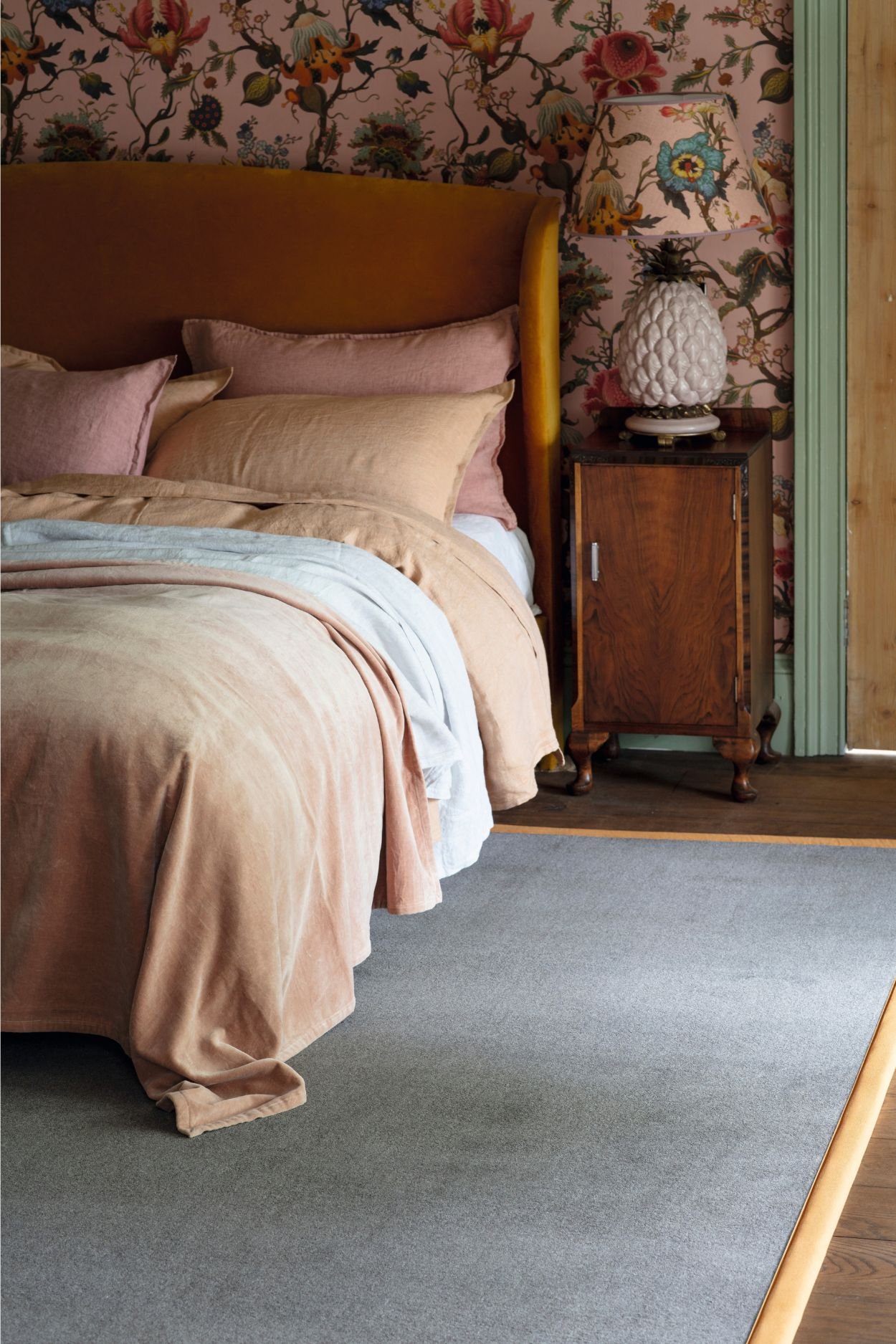
Although many people still prefer wall-to-wall carpet in the bedroom, rugs are becoming increasingly popular. If you’re placing a rug under the bed, position it close to the top so you can step straight onto it, leaving the headboard end sitting directly on the floor - just like in the image. This beautiful textured wool rug by Alternative Flooring, with its contrasting cotton ochre-toned border, frames the bed perfectly, and allows the top end and bedside tables to sit on the floor. It adds both comfort and a stylish finish to the room.
Photo credit: Alternative Flooring
Spaces for a circular rug
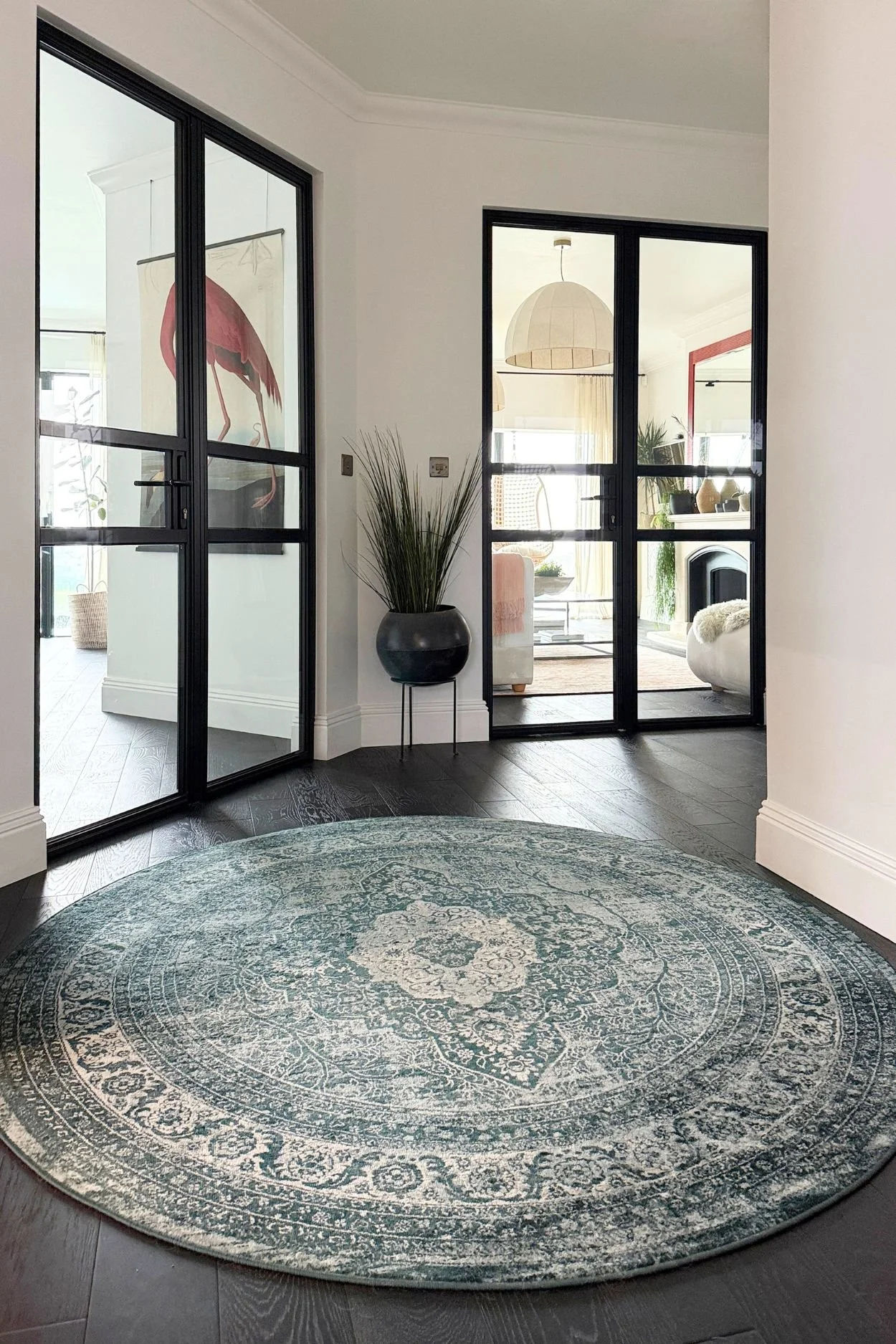
A circular rug can work beautifully in many spaces - adding interest, softening the lines of a square or rectangular room, or fitting neatly into more unusually shaped areas. Vintage-style rugs, like the one pictured here in the upstairs hallway in my home, have become increasingly popular. They bring an authentic touch to a wide range of aesthetics, from classic to minimalist.
Photo credit: Sandra van Aalst
Creating an outdoor room with a rug
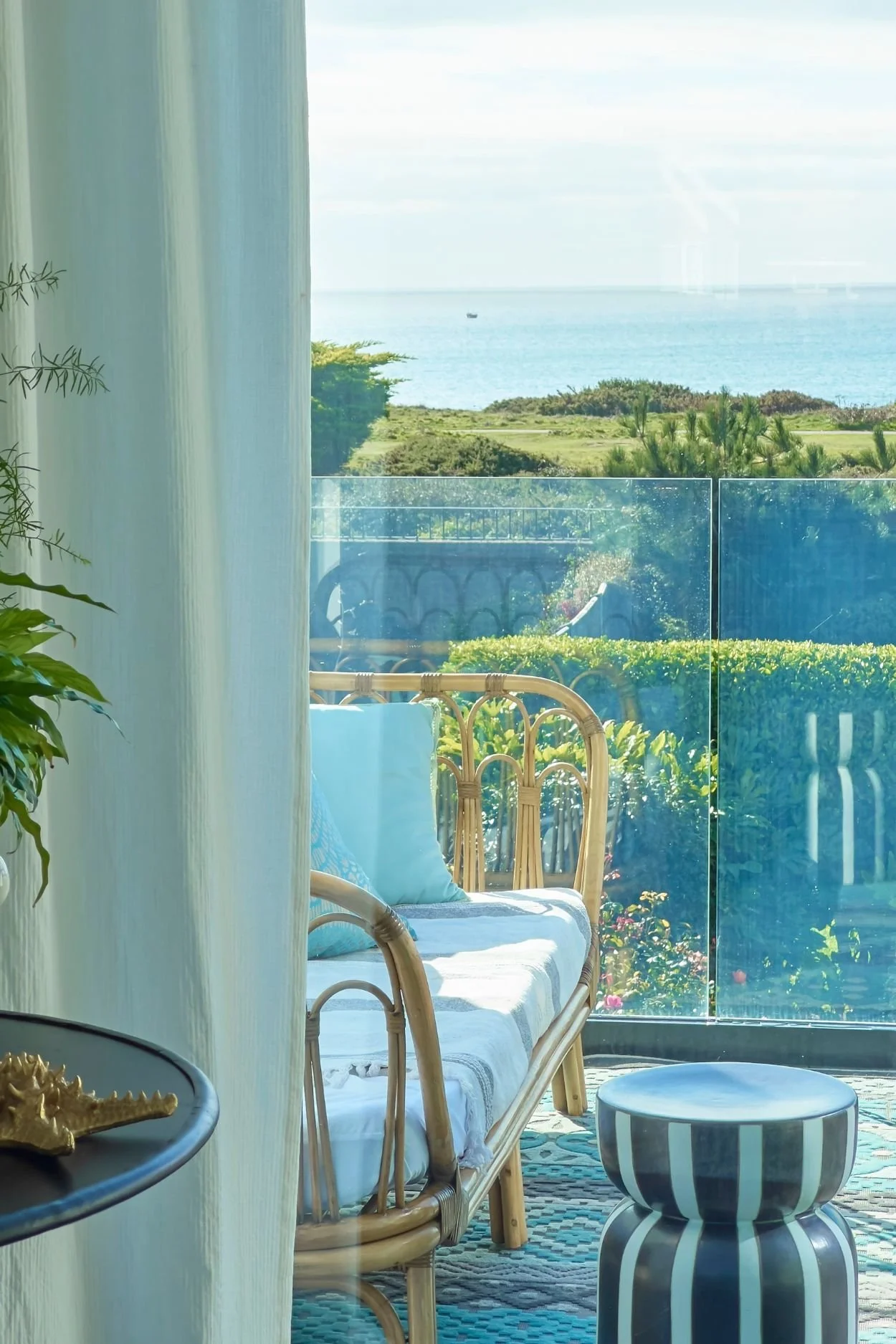
Outdoor rugs, such as the rug pictured here on my balcony, are designed to withstand most weather conditions and can instantly transform a terrace, balcony, or patio, turning it into another room and making it an extension of your interior. While I bring them inside during the winter months, they are durable enough to cope with rain, wind, and UV rays. The washable and stain-resistant qualities of outdoor rugs also make them an excellent option for use under a dining table indoors or out.
Photo credit: Sandra van Aalst
Adding art to your interior scheme
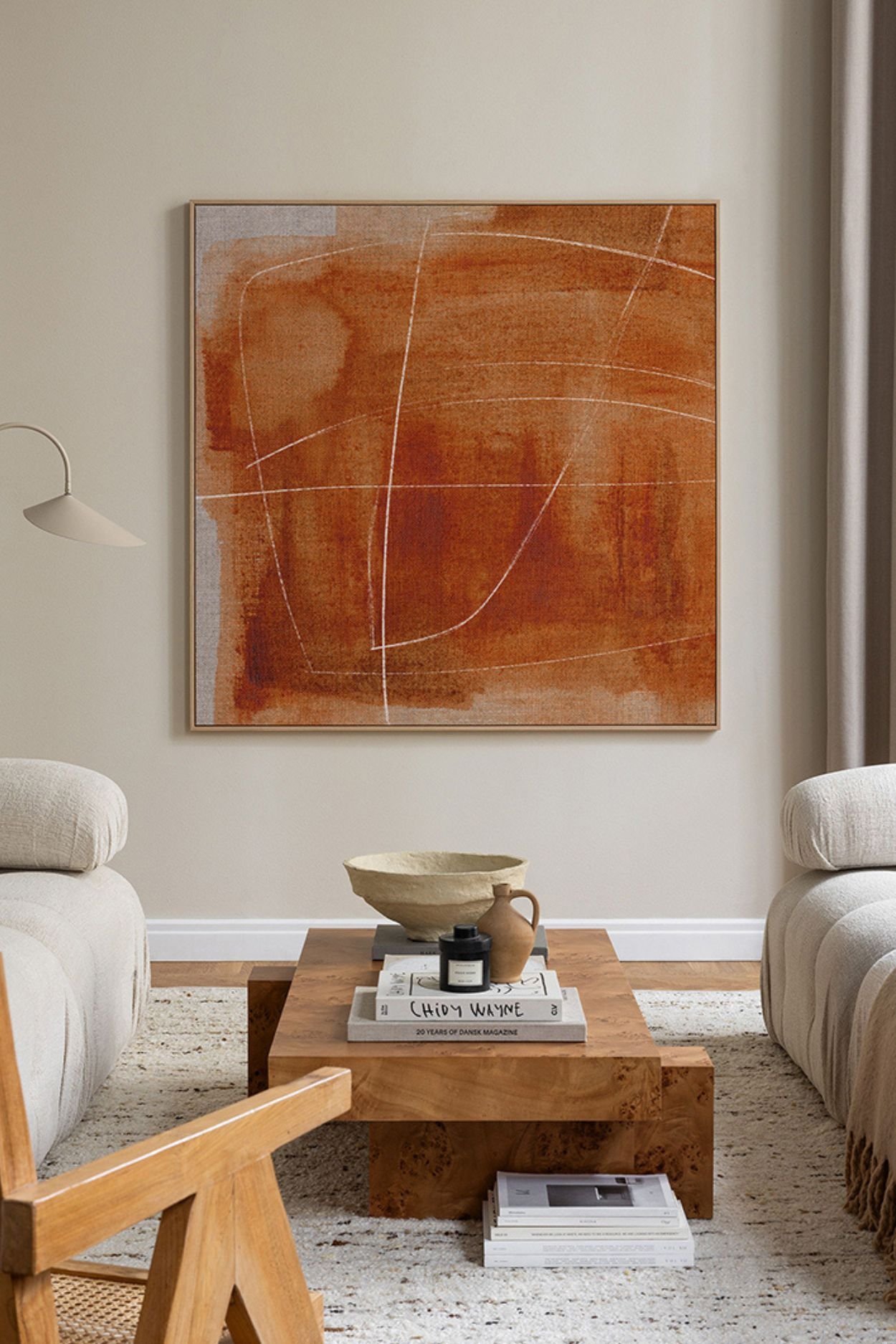
An interior rarely feels complete without some form of artwork - it introduces colour, texture, expression, and atmosphere to a space.
Photo credit: Desenio
Whatever the shape or form, art brings so many positives into a room, as shown by the large-scale abstract piece by Desenio featured here in a contemporary living room. If you are considering a single piece, going large can make a real impact, becoming a striking standalone statement piece. Notice how the warm burnt orange tones enhance the atmosphere of the room. Without it, the room would feel far more muted and dull. Art is not just a finishing touch; it’s a key piece that brings the room to life.
Art doesn't have to be on the wall. As you will see from the following images, it also looks great casually propped up on a console table, shelf or credenza/sideboard to create that layered, styled look.
Styling Tip
If you have a piece of artwork that you love, but it doesn’t quite work in a room, try swapping the frame. A natural wooden one, for example, can echo other timber tones, while a sleek black frame can tie in with darker accents such as light fixtures, door frames, or ceramics.
Styling art on consoles and other surfaces
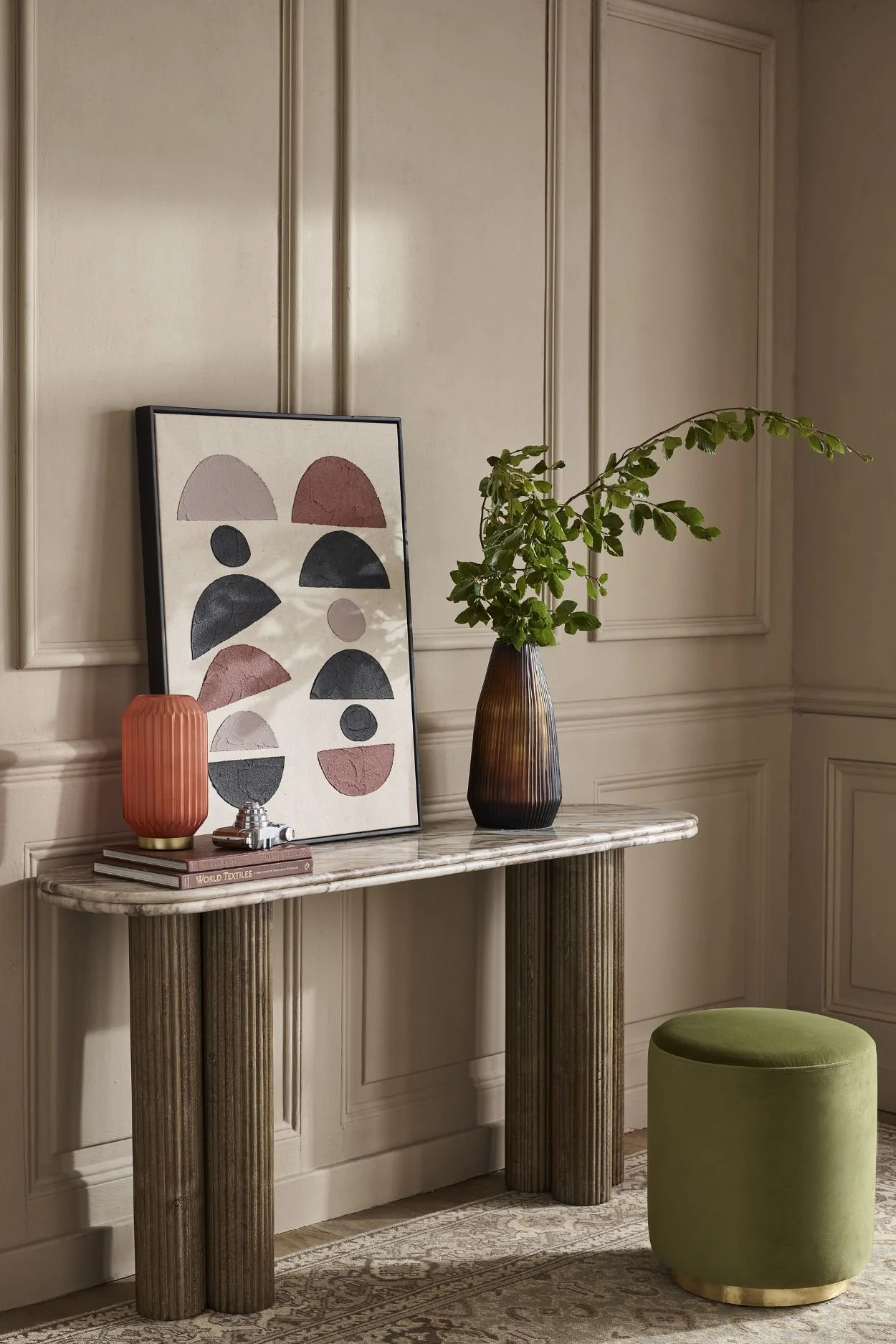
Framed art is perfect for leaning against the wall on a surface such as a console, sideboard/credenza, or mantelpiece. The frame adds height to the vignette, breaking up the horizontal line of the surface and drawing the attention upwards. In this case, it complements the tones of the books and vessels displayed on the table and pairs beautifully with the marble and mango wood contemporary console by Atkin and Thyme.
Photo credit: Atkin and Thyme
Styling your kitchen shelves with framed art
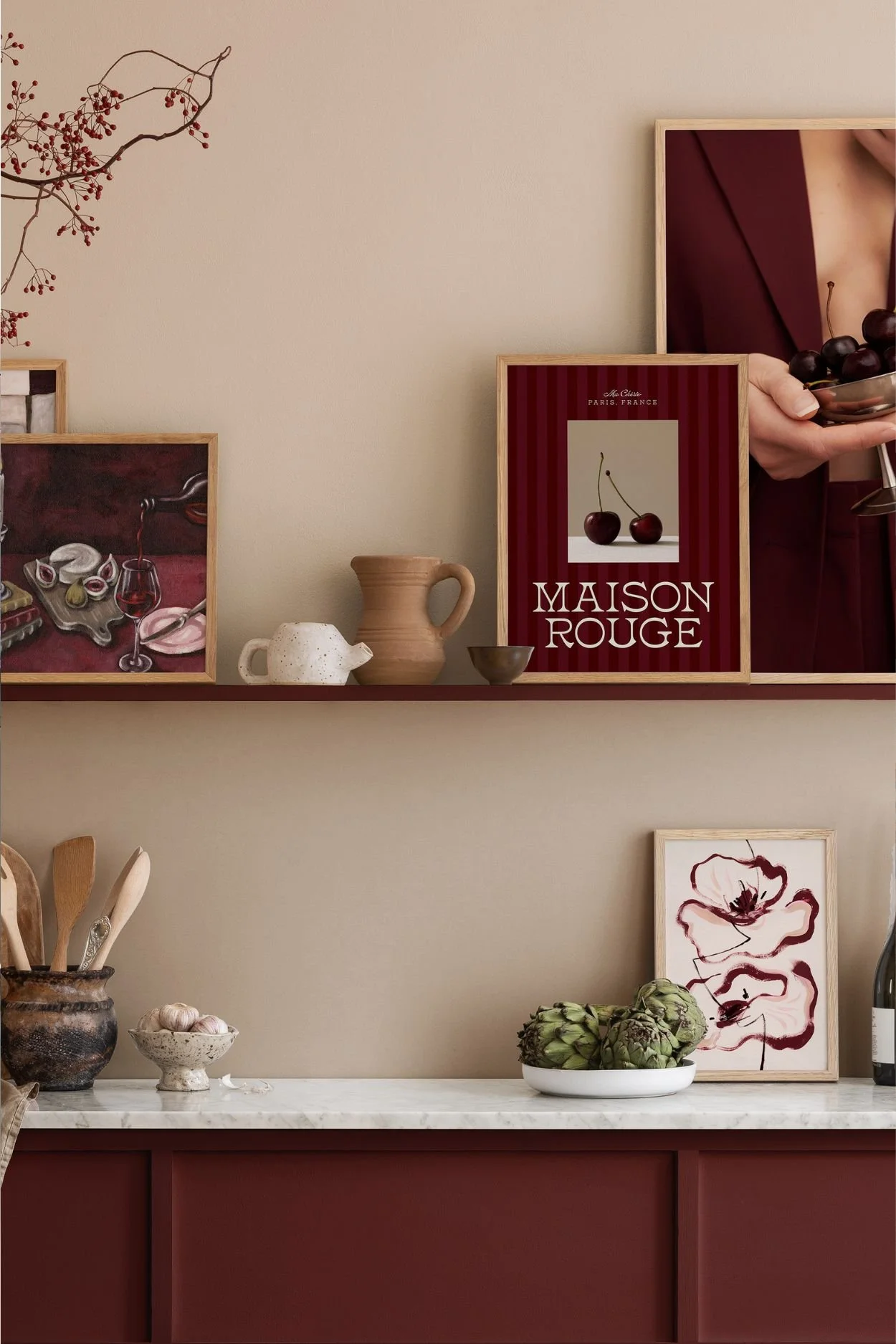
Art can look fantastic on shelving - and the kitchen is no exception. In this space, food and drink-themed prints by Desenio have been layered among attractive kitchen items such as a chopping board, utensils and various vessels, to create a visually rich and interesting display. Just like the framed artwork styled on the console in the previous image, the artwork here adds height, interest and colour, echoing the tones of the kitchen cabinetry for a stylish and cohesive look.
Photo credit: Desenio
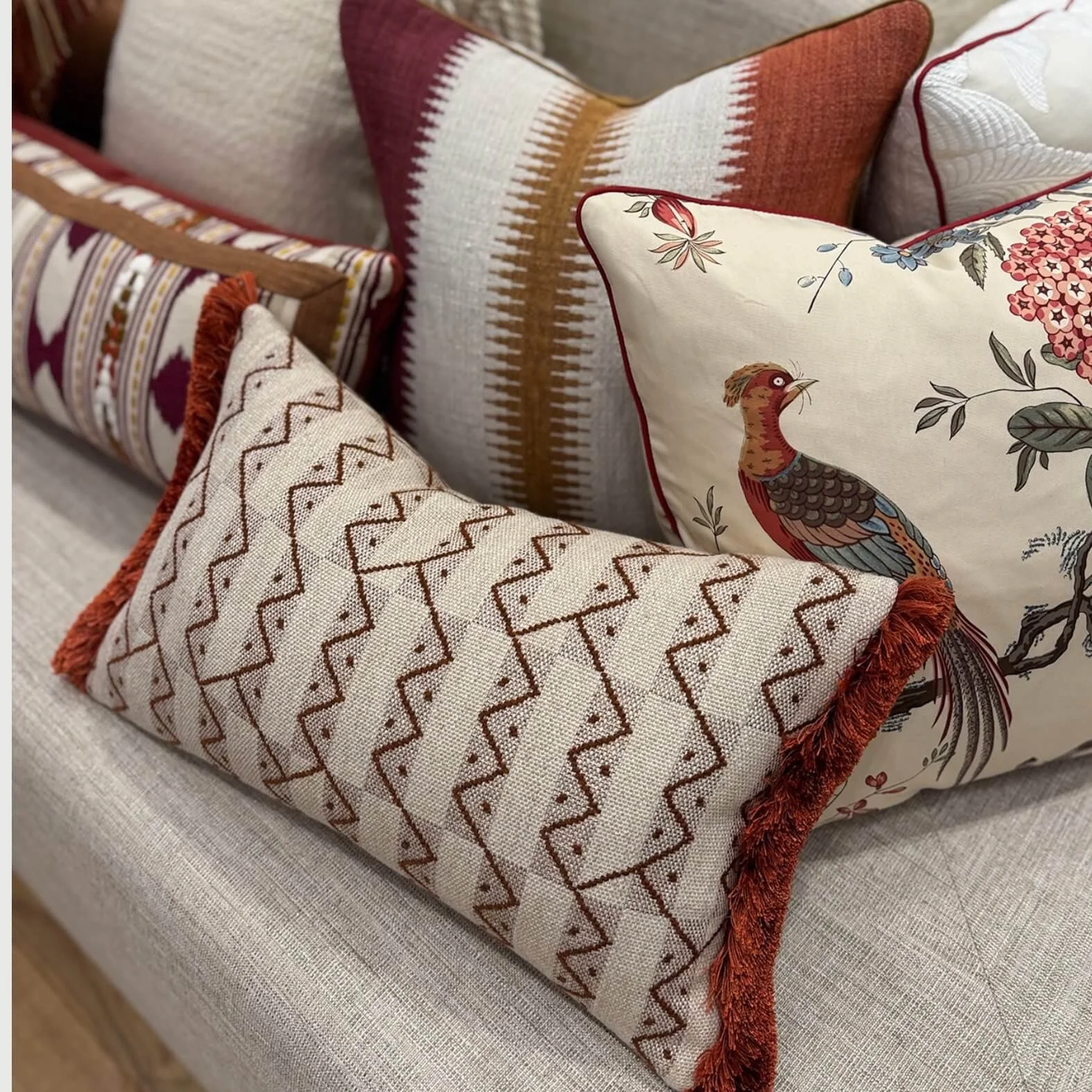
Bringing in style to your living room with cushions
Throw or scatter cushions, pillows, or simply cushions, as I call them, are one of the easiest styling items to define your interior style, inject colour, and instantly refresh a room.
Photo credit: Sandra van Aalst at the Design Centre, Chelsea Harbour
Cushions are my weak spot - I can’t help but be drawn to them. To me, they are one of the most versatile styling elements, able to instantly update and refresh a room by adding style, colour and texture. Much more than just accessories, they are design staples. Whether your taste leans towards a minimalist look or is more eclectic, even a couple of well-chosen cushions can make a room feel finished by pulling together different elements.
For a while now, the mix-and-match approach clashing prints, colours and textures, cushions, has been de rigueur. But I’ve noticed some designers are returning to repetition by using several identical cushions on a sofa or bed. Personally, I prefer something in-between. I think it depends on the furniture and style of the room rather than following a trend.
With endless options of colours, textures and patterns, you can place cushions in any spots - on beds, sofas, window seats, accent chairs, dining benches, and outdoor furniture - to make practically any area more stylish.
Styling Tips
The cushion pad makes all the difference. Opt for feather filling and go for a slightly larger pad than the size of your cover, as this will ensure it gives a plumper, more luxurious feel.
Mix various sizes and shapes to add interest, as well as pairing patterned with plain and different textures.
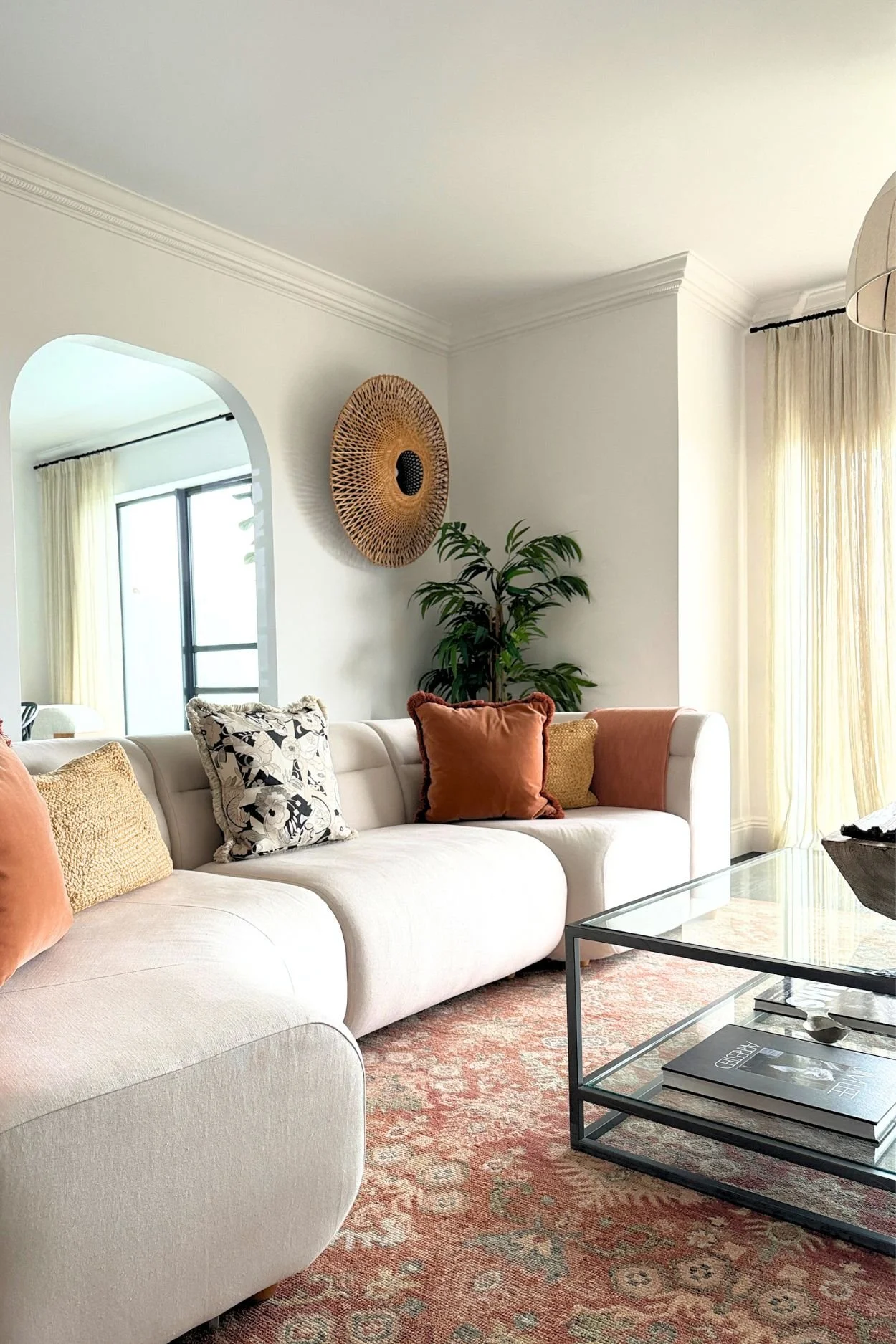
Introducing colour though cushions
I have recently invested in a new curved sofa, pictured here, which sits beautifully on a terracotta-toned rug. Because it is an off-white linen and low-backed, I wanted cushions that would tie in colour-wise with the rug, add texture and a touch of height and structure to the sofa. After much searching, I eventually found two large velvet cushions with fringe detailing and a black and off-white patterned one to add contrast. Not only do they reintroduce the terracotta tone, they bring in a rich, tactile element and enhance the shape of the sofa, providing height and definition in key spots.
Photo credit: Sandra van Aalst
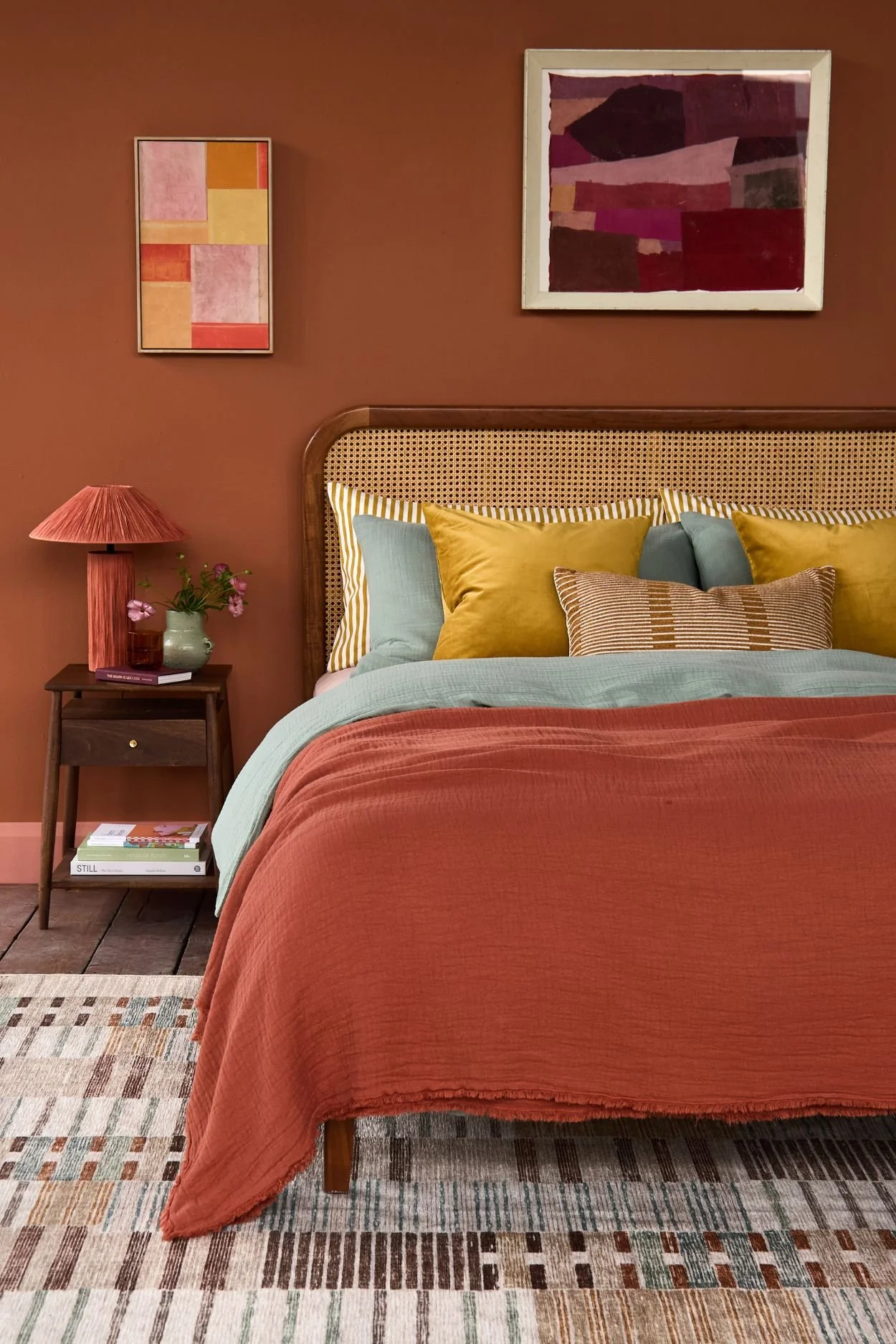
Dressing the bed with cushions
Cushions really help dress a bed, adding that layer of luxury and helping to tie together the room’s colour scheme. I always like to add cushions; even if I have a beautiful bedspread, I still like to include cushions to introduce more pattern, texture and colour. I’ve added a round, blush-pink flower cushion to break up the expanse of the blush-pink bed linen. I also love the mix of cushions styled on this bed by Swoon, made from rattan and dark-brown acacia wood. The golden tones of the cushions echo the artwork and contrast beautifully with the aqua-toned duvet cover and pillows. The additional cushion placed in the centre adds a touch of pattern and completes the look.
Photo credit: Swoon
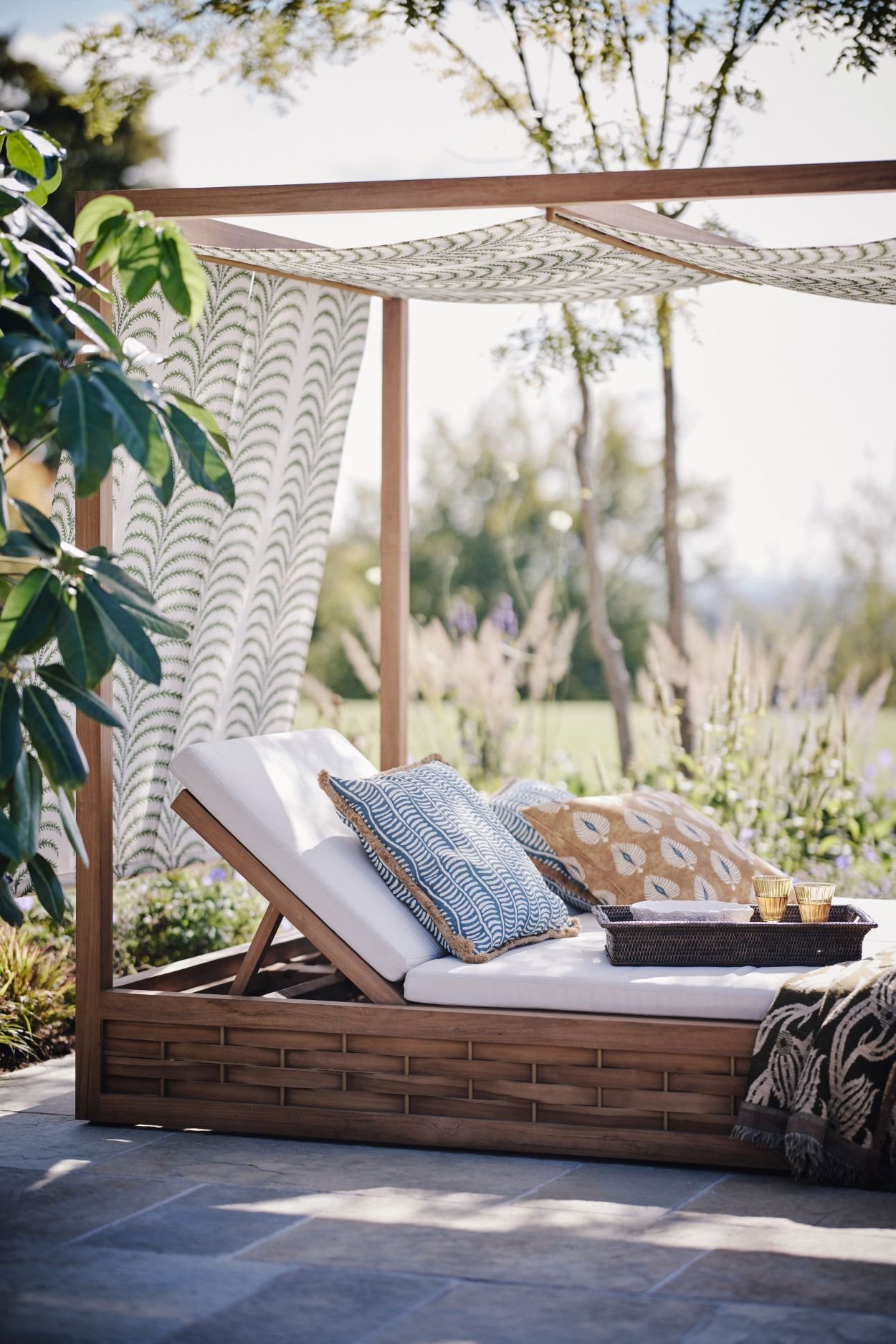
Styling your outdoor space with cushions
Outdoor cushions, like the ones featured here, now come in a wide variety of colours, prints and styles, making your outdoor seating area feel like another room and extension of your home. Not so long ago, outdoor cushions were only available in plain or very basic patterns, but these days they are as sophisticated as their indoor counterparts. The Indian Yellow and Air Force Blue grand cushions are a great example of today’s elegant designs that are stylish yet made with weatherproof fabric for outdoor use. Most outdoor cushions are showerproof, though they might not withstand all weather conditions. I’m based in the UK, so I prefer to bring my outdoor cushions indoors in the winter. If you’d like to read more about outdoor cushions and furniture, you can read my recent post on Outdoor Cushion Styling Ideas
Photo credit: Oka
Adding mirrors to lighten your space
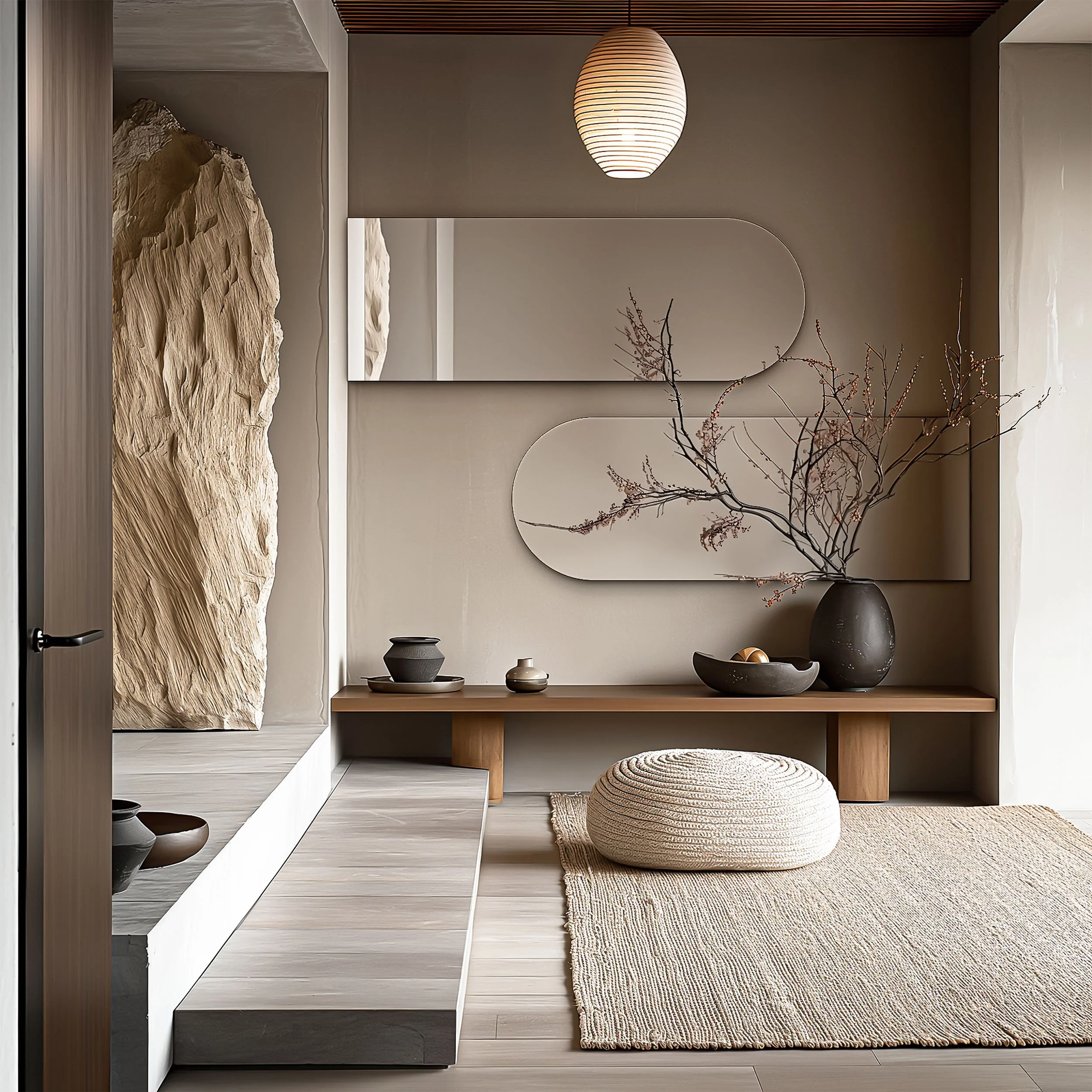
Mirrors can open up a space and reflect light, like the mirrors in this image by Drench, where two arched mirrors have been placed vertically, doubling up as wall art. Placed above a wooden bench styled with contemporary pots, vases, and vessels, the arrangement looks intentional and stylish.
Photo credit: Drench
Decorative mirrors are one of the most impactful pieces in interior styling, as not only do they look good, they reflect light, enhance brightness in a dark area and give the illusion of a larger space. Mirrors are also functional, especially in bathrooms and bedrooms, but in entryways or living rooms, they can act as a statement piece in their own right.
Whether new or vintage, framed in wood, gilded, or metal for a sleek, modern aesthetic, mirrors complement every interior design style. You can also use them creatively, grouped together as a feature on a wall or a mirrored backsplash. In my own kitchen, to create an illusion of space, I placed three tall, black aluminium mirrors side by side on the worktop to appear as one oversized piece. It was a very cost-effective way to have a wall of glass.
Styling Tips
Before hanging the mirror, hold it up in the position where you want it to bounce light and that it reflects an interesting vista.
Think of dark corners in your home that have a blank wall and could be transformed by a mirror.
Styling your living room with a mirror
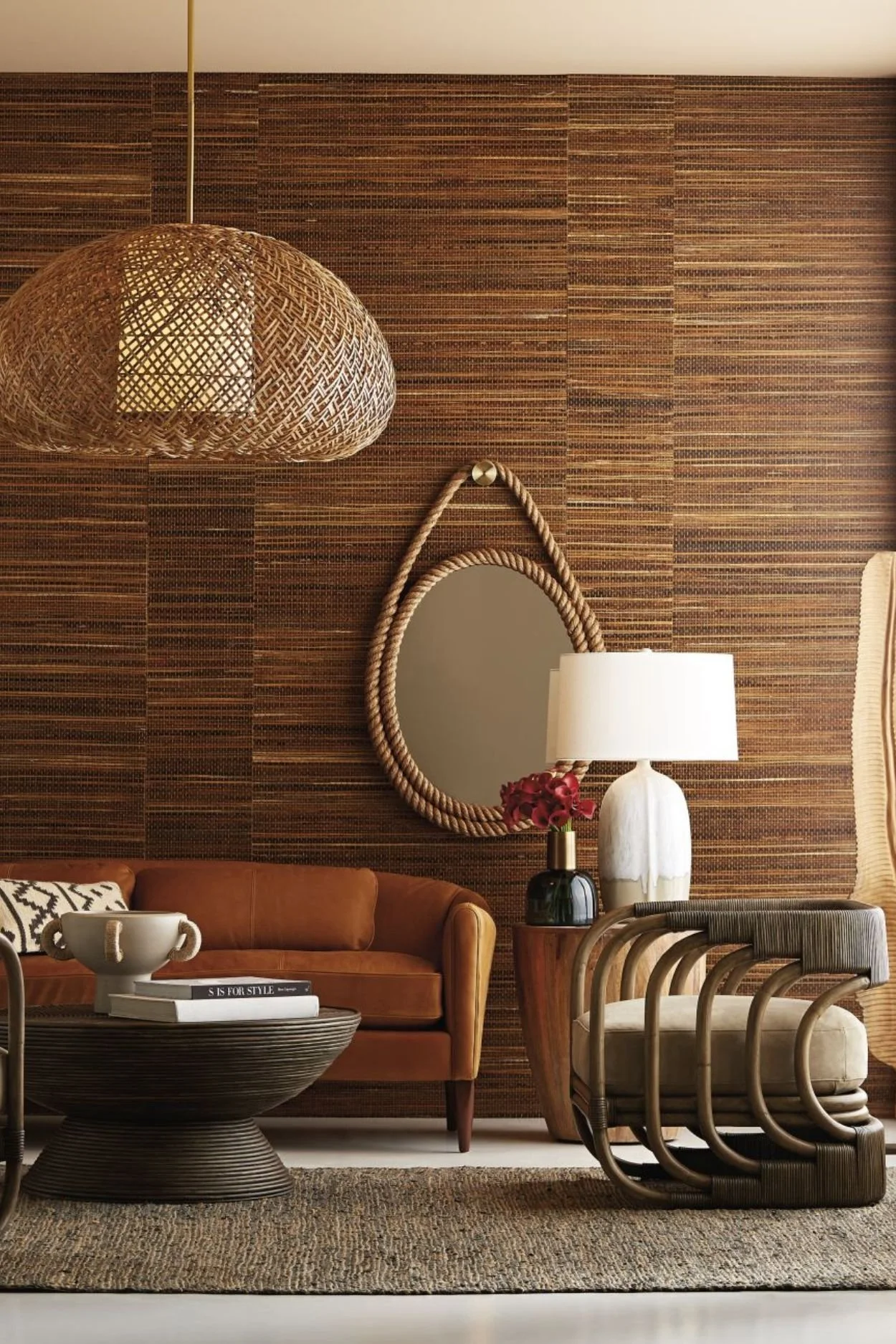
Mirrors can be the striking focal point in a room, especially oversized designs, like the stunning Iberis mirror by Arteriors pictured here. Its sculptural, rope-style frame makes a bold statement in this living room. Mirrors work beautifully styled in a nook, above a fireplace, or positioned on a wall above or close to the sofa to create a feature and enhance the light in the room.
Photo credit: Arteriors
Using mirrors in an entryway
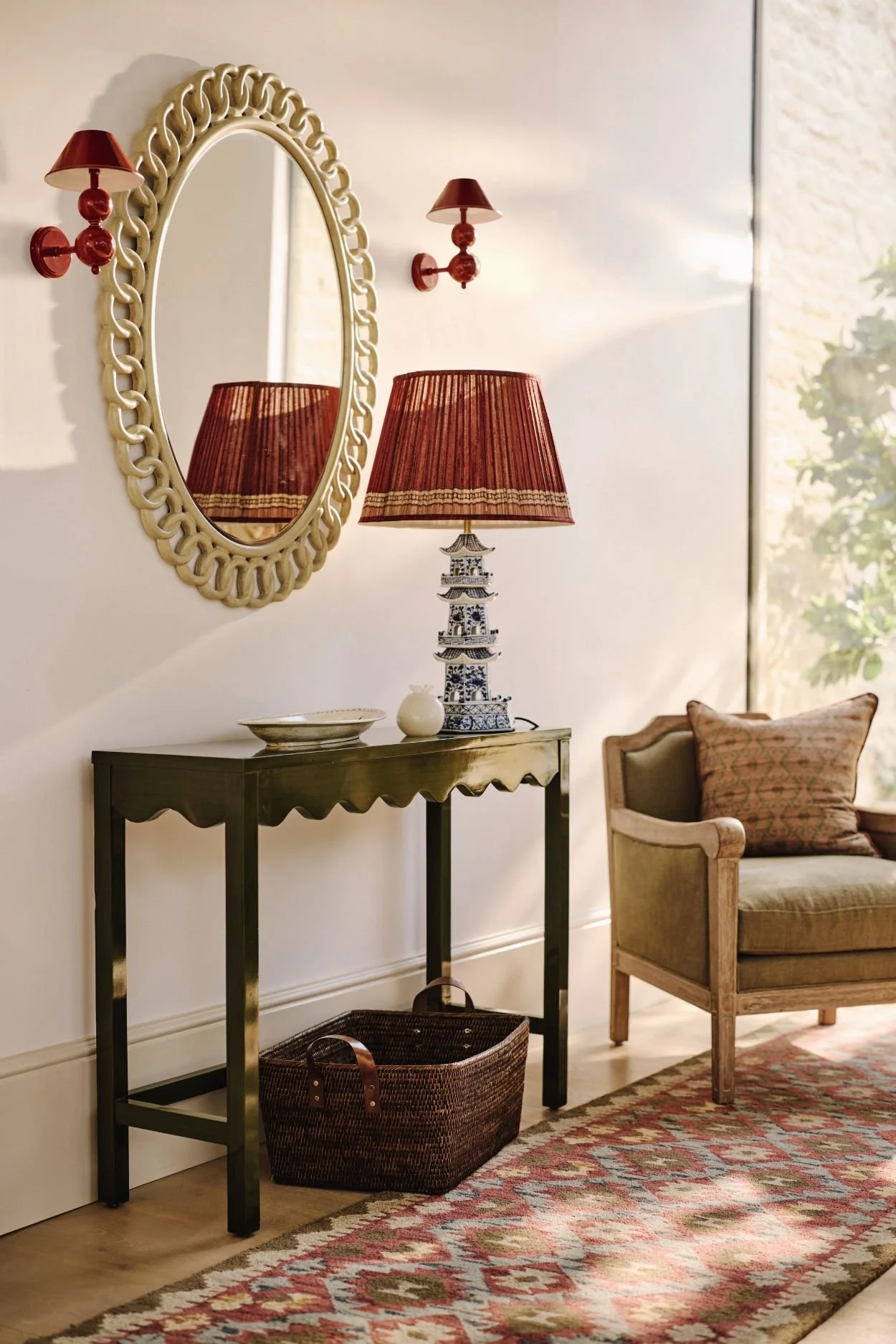
This mirror is the centrepiece of a beautifully styled entryway. Rather than just hanging a mirror on its own, it works so well as part of a vignette, like this mirror by Oka, displayed above a console table. I have an extra-large round metal mirror in my own hallway, which instantly elevates the space. Positioned above a console, styled with plants and decorative pots, it creates an interesting vista and helps to brighten what is otherwise quite a dark area.
Photo credit: Oka

Adding mirrors to bring in a vintage touch
Vintage mirrors can be found in thrift or second hand shops and at markets and can look incredibly effective in the right setting. The mirror pictured here was a vintage, gold-framed piece I discovered and revamped with black boat paint. The high-sheen finish gave it a modern vibe, which contrasted with the rustic basin and wooden countertop.
Photo credit: Sandra van Aalst for Wonen Landerlijke Stijl and Inside Out magazine
Displaying small mirrors in pairs or groups
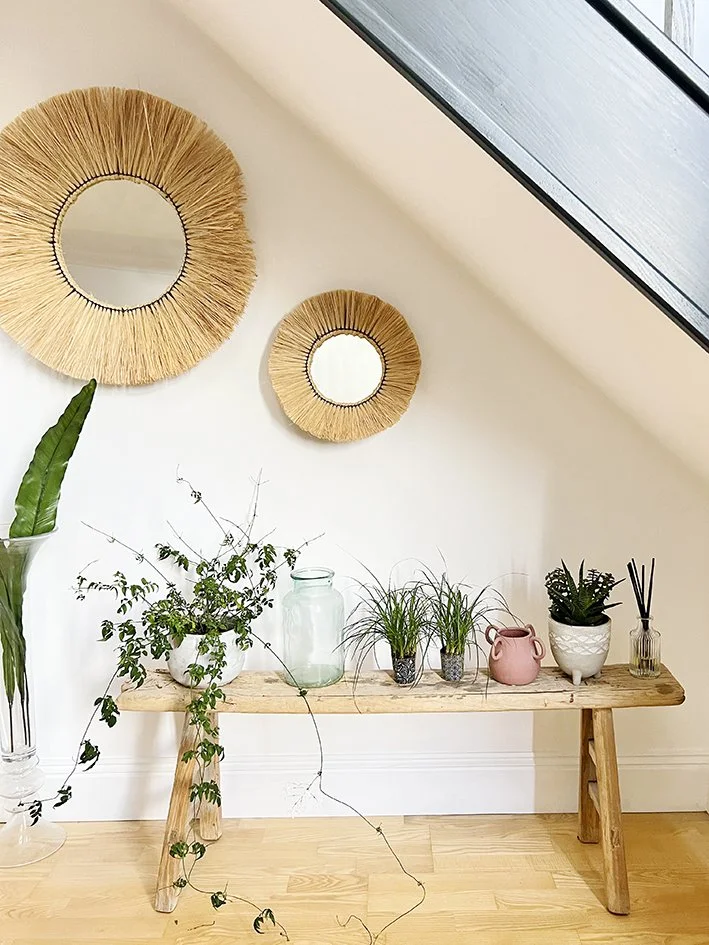
In a small nook under my stairs, I positioned two straw-framed mirrors of different sizes above a low, rustic console table to serve as a focal point in what was previously an awkward space. The mirrors help reflect light and make more of a feature of the area. For added impact and to enliven a dull corner, you could display mirrors in groups of three or five, which create a visually balanced look.
Photo credit: Sandra van Aalst
Styling your home with throws
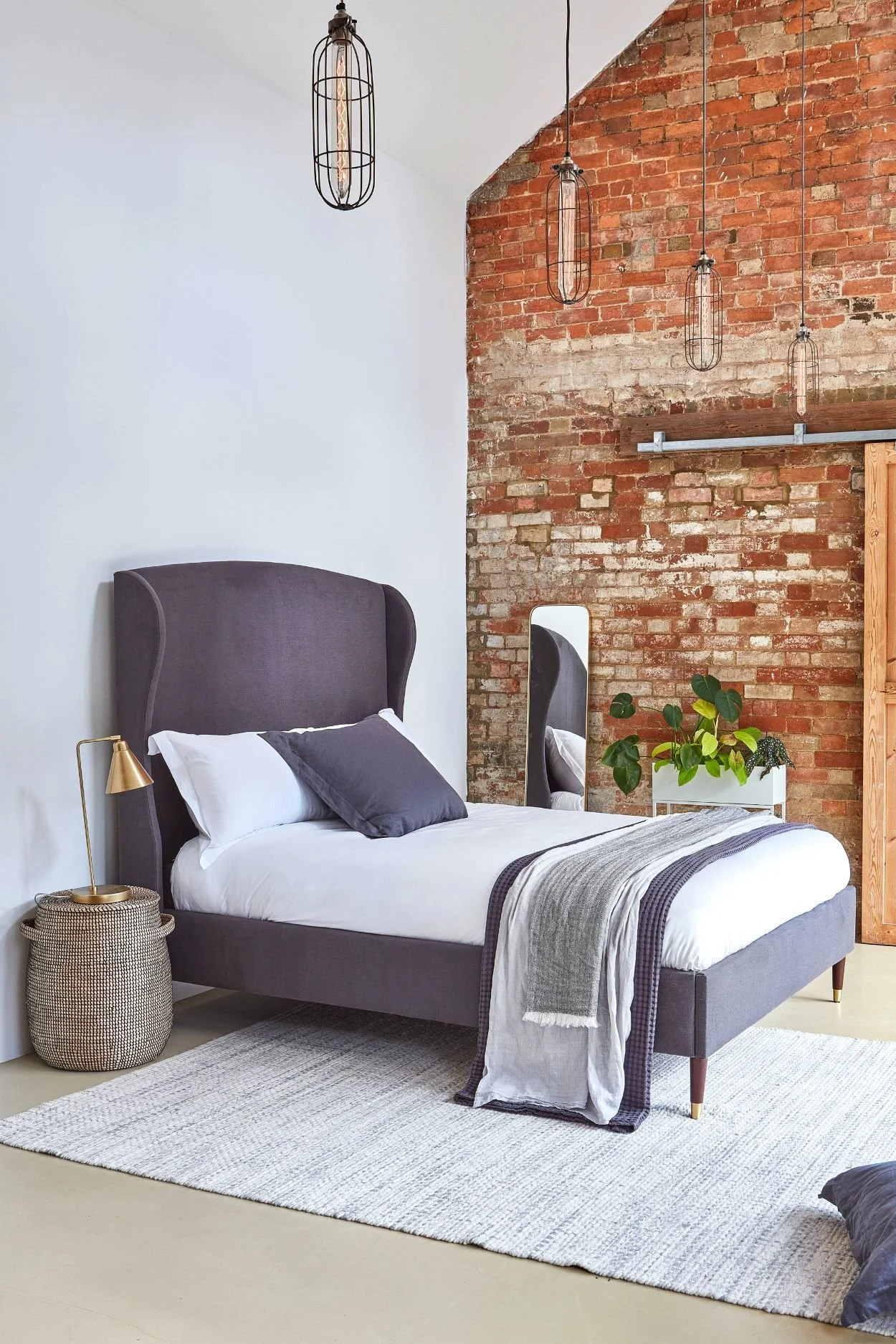
Throws, also known as throw blankets, are smaller than a regular blanket and effortlessly chic. They’re a stylish way to accessorise a sofa, chair, bed, or even outdoor furniture.
Photo credit: Darlings of Chelsea
I find that both in the bedroom and living room, throws are ideal styling items, adding a tactile layer and enhancing the overall feel of a space. Not only are throws a decorative item, they are functional too, as there’s nothing quite like wrapping up under a beautiful wool throw on a cold day.
In the living room, a throw can be casually draped or folded over the arm of a sofa or chair, depending on your style, while n the bedroom, it dresses the bed and can complement or contrast with the tones of your bed linen. If you prefer plain white linen, paired with a decorative cushion or two, a throw instantly gives a bed that finished look. Fold the throw close to the foot of the bed for structure, or drape it loosely across a corner for a more undone feel. You can also layer more than one, like on the bed here by Darlings of Chelsea, where different throws bring in tone and texture.
Styling Tip
Choose a throw in a texture and tone that contrasts with the fabric on your bed, chair or sofa, so it stands out rather than blends in.
Styling the sofa with a throw
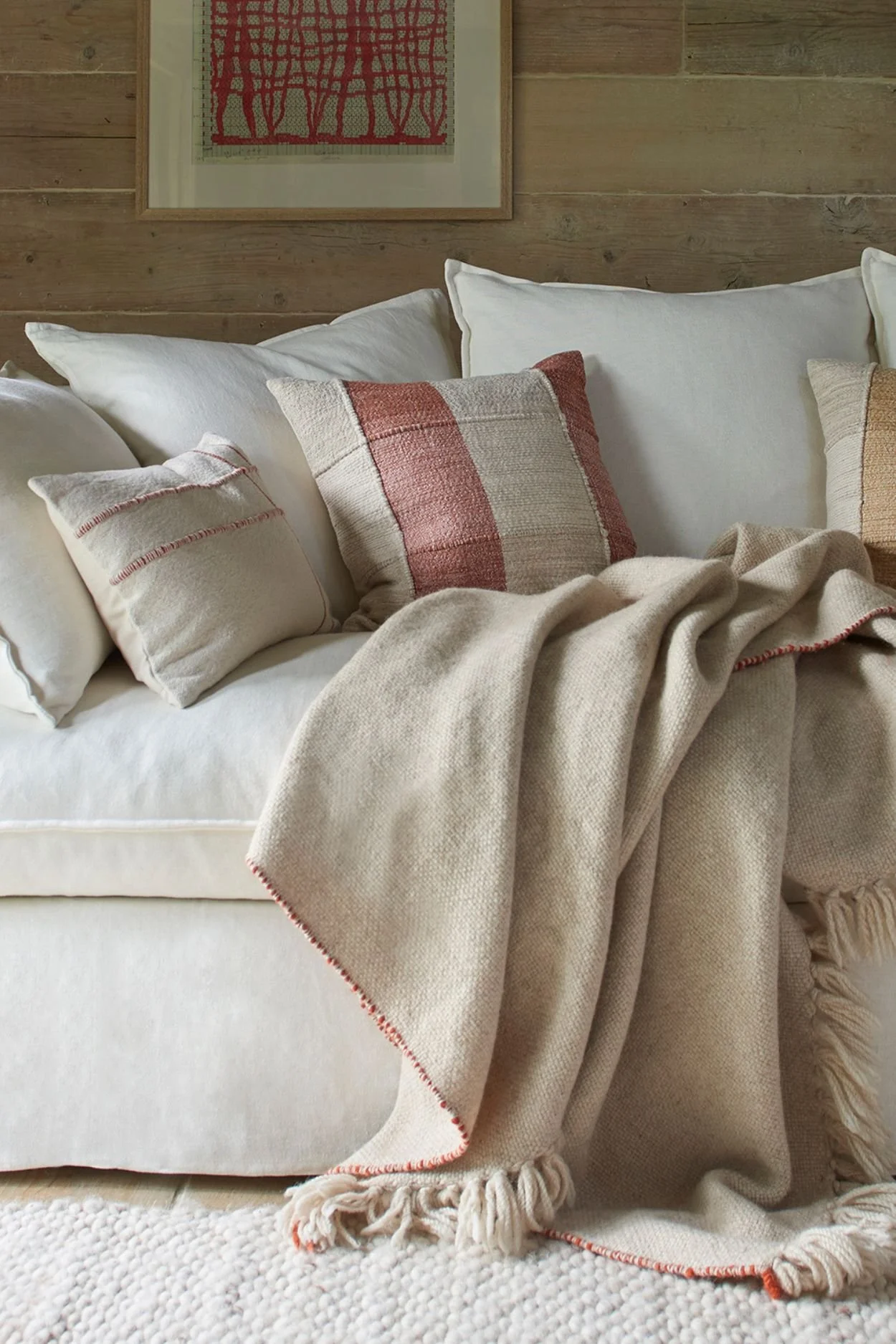
Available in a variety of colours, fabrics, and patterns, throws, like the gorgeous green one pictured here from Loaf, can easily complement your interior design style. Whether it’s a plaid wool throw for a country style or pure cashmere for a luxurious, minimalist feel, or a tufted design for a more bohemian vibe, there are endless options.
Photo credit: Loaf
Styling outdoor seating areas with a throw
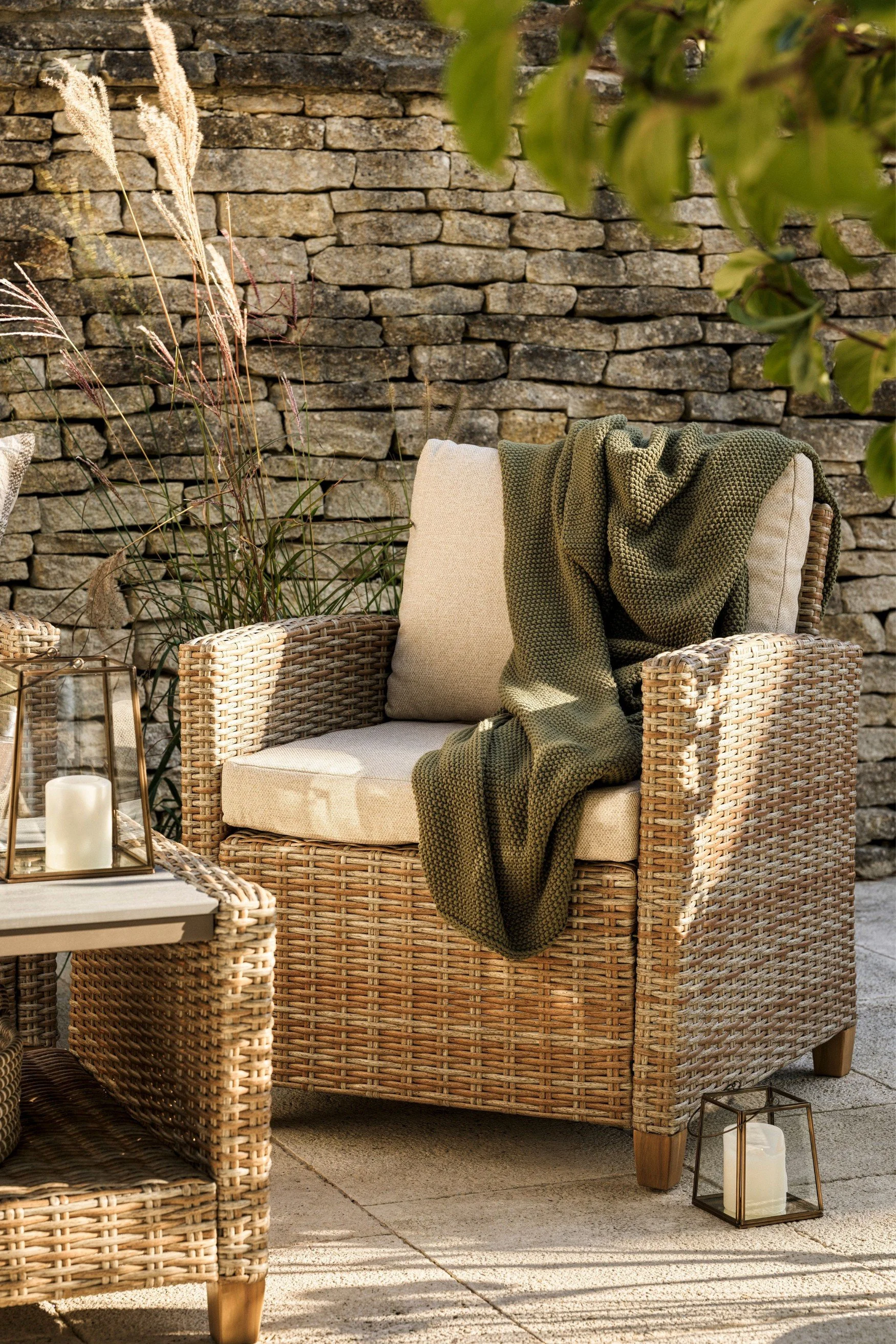
Don’t forget outside spaces, such as terraces or balconies, as throws, like the green one pictured here teams beautifully with the rattan outdoor furniture from The Cotswold Company. They can elevate the area by adding a cosy touch and are perfect for keeping you warm when the sun goes down.
Photo credit: The Cotswold Company
Introducing pattern with a throw
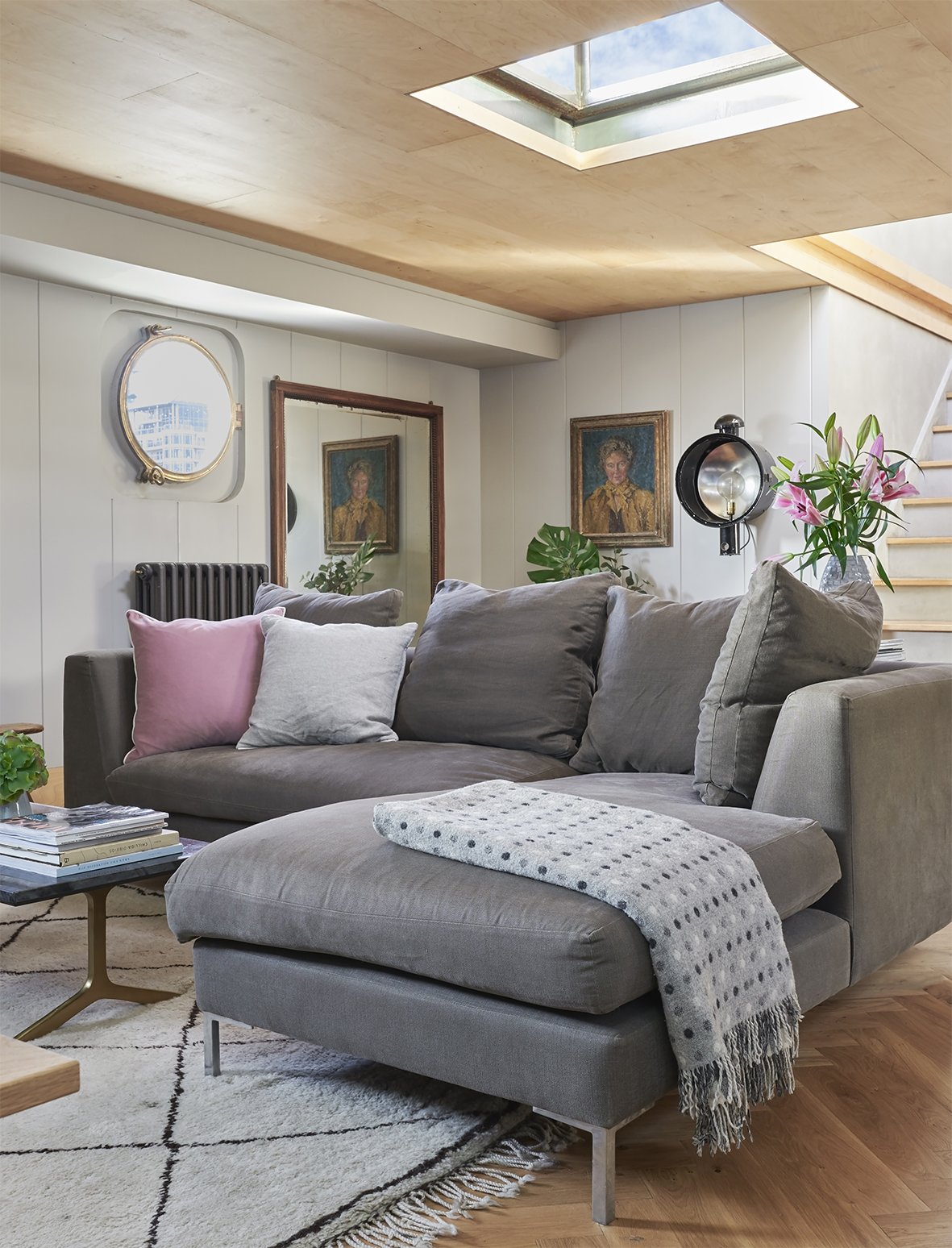
Serving as an easy way to refresh a space, throws can be swapped out with the seasons or whenever your style preferences evolve. I like to use throws, like the polka-dot one pictured here, to introduce pattern to an otherwise plain sofa.
Photo credit: Sandra van Aalst
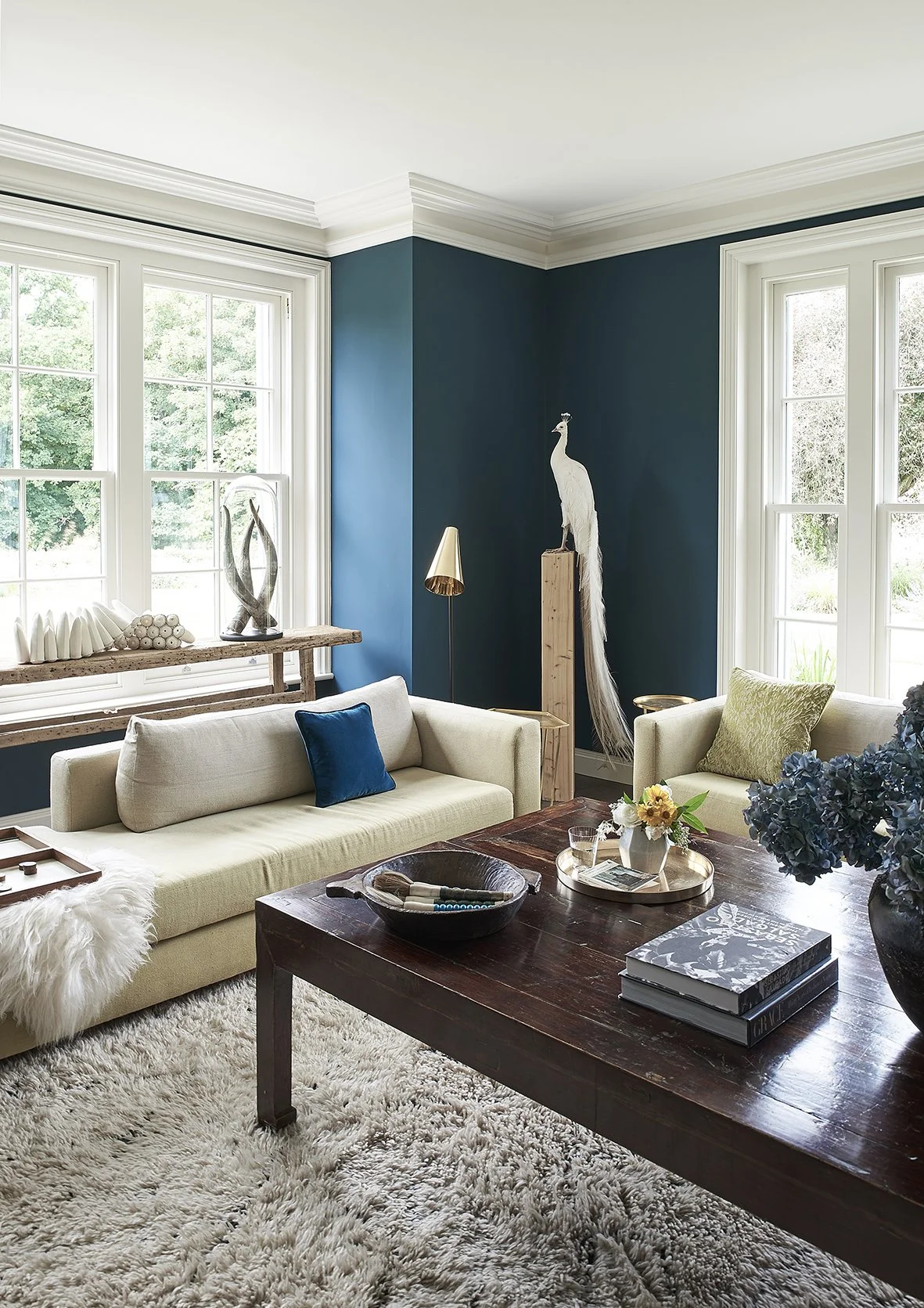
Styling with artefacts throughout your home
Artefacts - whether heirlooms, personal treasures or vintage finds - add interest and bring a sense of history and individuality into your home.
Photo credit: Sandra van Aalst photographed for a house feature in Elle Decoration Country
I have artefacts on display all around my home, and they come in all sorts of shapes and sizes, including items that friends have given me as gifts, like a silver dish in the shape of a fish and a delicate hourglass. Together with items I've collected on my travels, like gold-coated coral, I’ve also found unusual pieces in thrift shops, including a wooden cactus and vintage bottles. Displaying artefacts and personal finds in your interior not only adds a unique touch, but also tells a story, giving your space a sense of authenticity and individuality. Using artefacts as styling pieces can create curious focal points in your home, like the white peacock in the image, found on the homeowner's travels.
When thoughtfully placed on a surface or as part of a vignette, they add intrigue and make a room feel lived-in as well as curated. Vintage artefacts and heirlooms are also great styling pieces. Mixing them with more contemporary pieces can strike the perfect balance between old and new. It could be an heirloom like an antique trinket box, or reminders of your travels such as a Moroccan beaded necklace you found at the Medina in Marrakech, a large shell from a beach holiday, a fan, a large feather or even a sun hat.
Styling Tip
Visit charity shops, thrift stores and markets to find something vintage that’s a bit different.
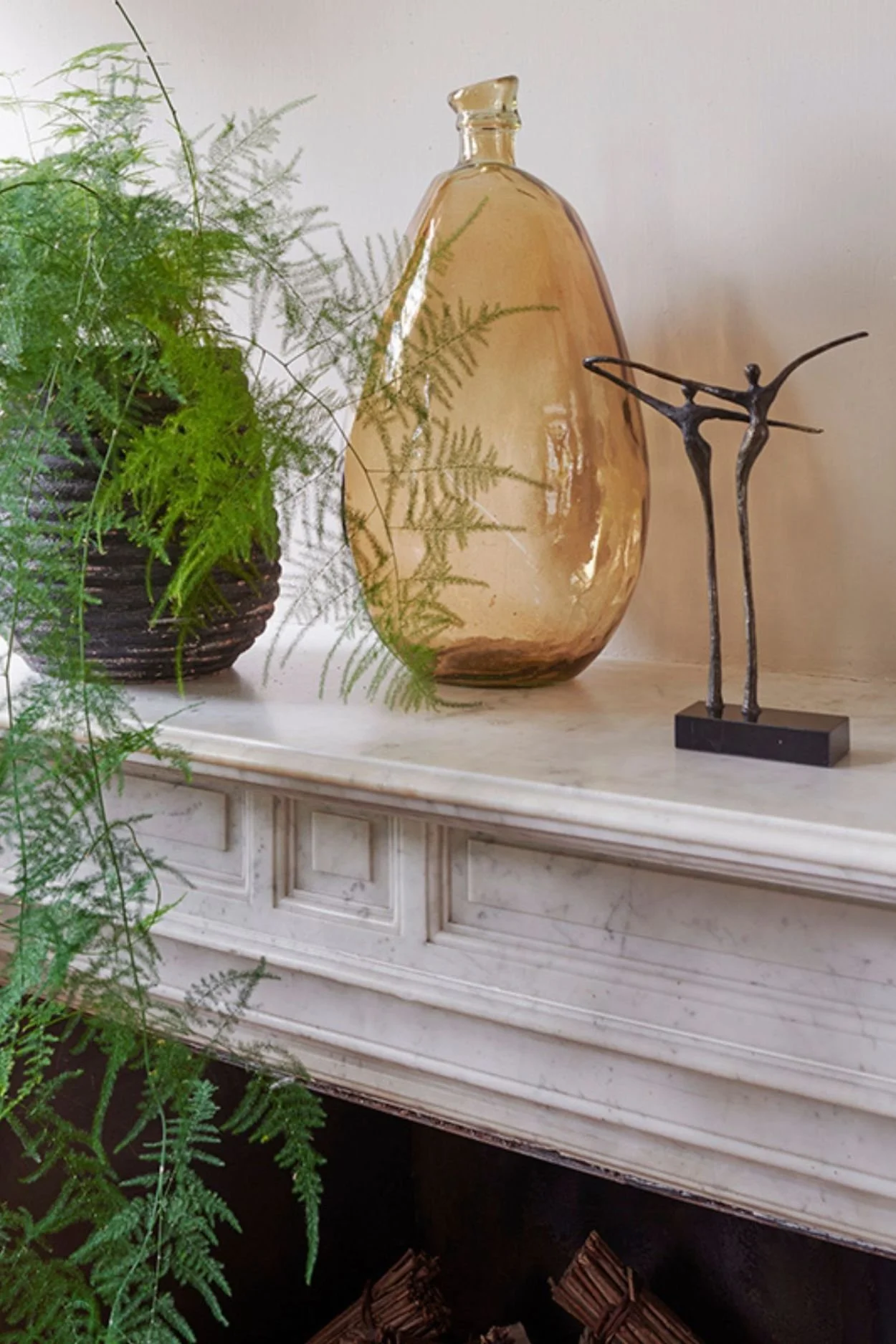
Styling with small figurines
This delicate sculpture of two dancers on the fireplace mantel was a treasured find during the homeowner’s vacation. The sculpture really stands out next to the tinted glass vessel and green trailing fern, creating an attractive vignette. Styling a vignette using odd numbers, such as three or five items, works well as it is often more balanced and visually pleasing to the eye.
Photo credit: Sandra van Aalst
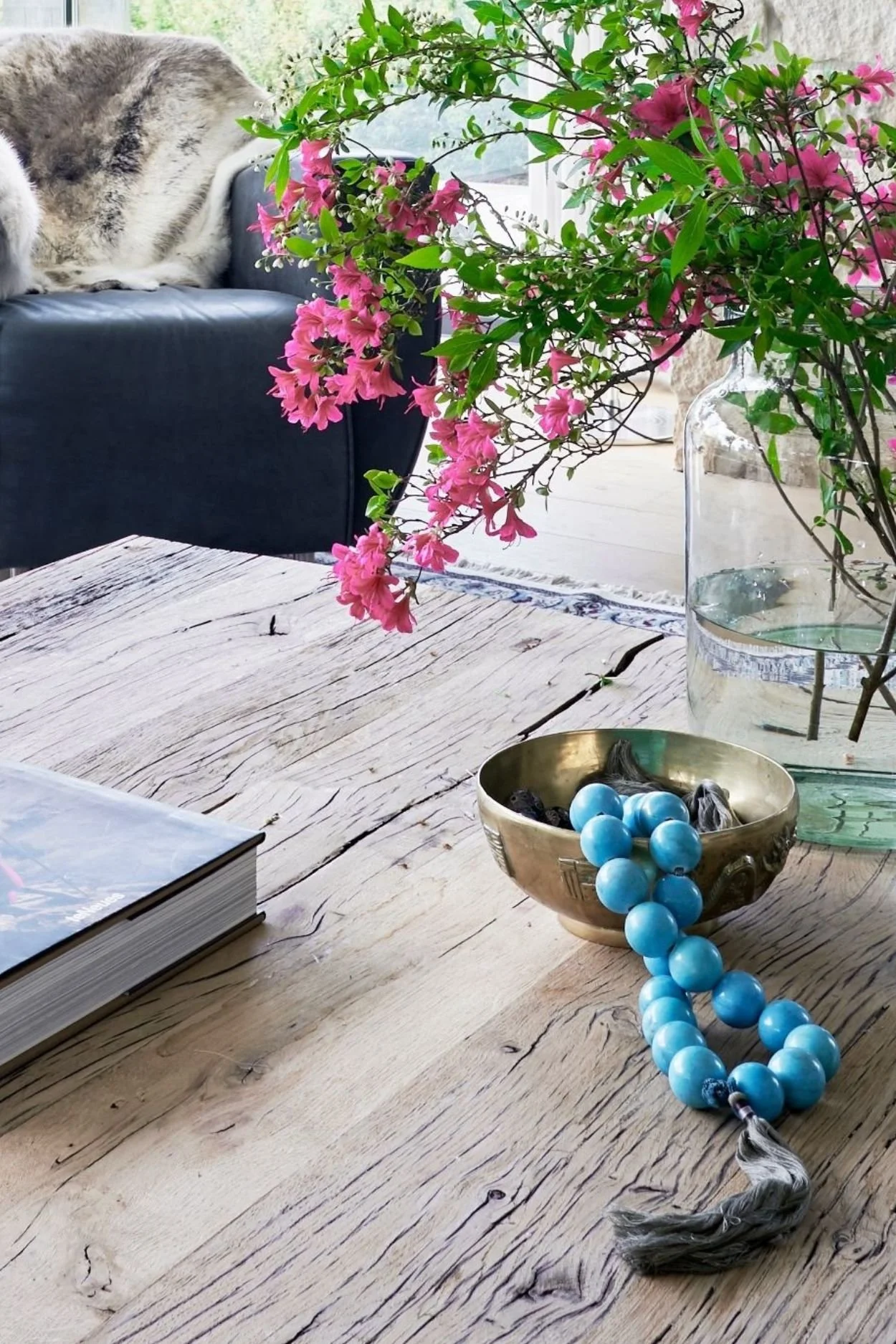
Displaying personal items from your travels
Both the turquoise beads and dish were special finds from the homeowner’s travels to Asia. The beads introduce a pop of colour, while the bronze dish adds a touch of subtle metallic sheen to the interior scheme, providing a contrast against the rustic wooden coffee table. The vase is also a vintage piece which, along with the hardback book, creates an interesting and balanced grouping.
Photo credit: Sandra van Aalst

Styling with beautifully-bound hardback books
Beautifully bound, large-format books are one of the most versatile styling items and can enhance the overall decor and be used in various areas of the home.
Photo credit: Sandra van Aalst at The Design Centre, Chelsea Harbour
I have books everywhere - on coffee tables, consoles, shelving, next to my bed, and piled up in the kitchen. So basically, where there’s a surface, there’s a spot for books. Often featuring interiors, art, or fashion, large-format books are a design statement in their own right and a timeless styling element. Stack a couple on your coffee table next to a plant or candle and display them on shelves next to vessels, plants, and other home decor items. In living areas, they can be layered with decorative objects like candles, artefacts and sculptures to create more personal groupings. In the bedroom, they are functional as well as decorative. I have several books laid flat neatly on a tray next to my bed as both a styling prop and to pick up and read. Kitchens can also benefit from stylish, colourful cookbooks displayed on open shelving. Whether arranged by colour or size, books will blend seamlessly into your home.
Styling Tips
Add a decorative dish on top of a stack of books to turn it into more of a display.
Play around with book arrangements by mixing different sizes and colours.
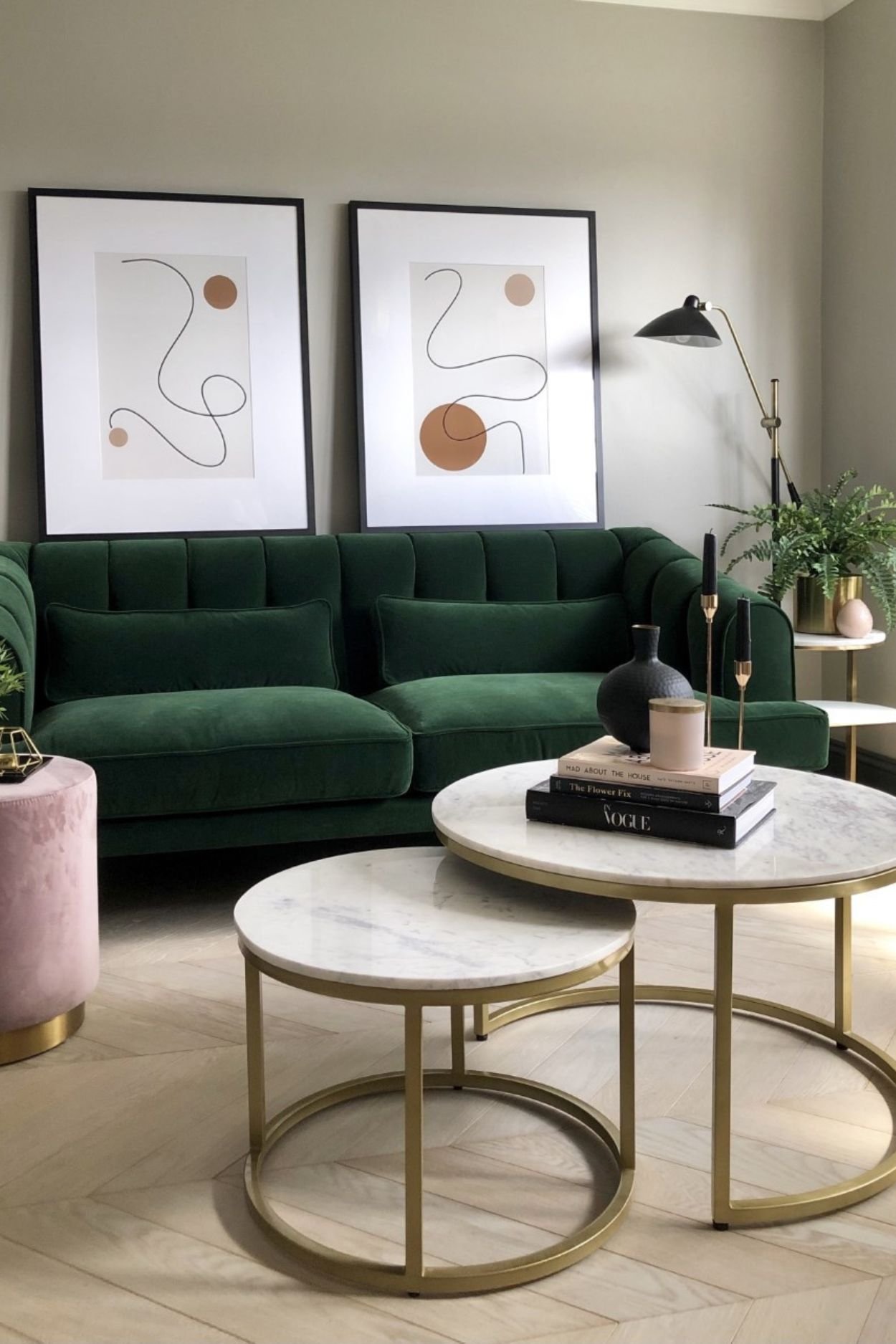
Styling with books stacked on a table and topped with home decor
A stack of books laid flat on a surface creates visual interest and height variation, making it the ideal foundation for a vignette. Just like the stack pictured here on the nesting coffee tables by Cult Furniture, you can place an artefact or home décor piece on a pile of books to create a more styled look. Notice how the books echo the tones of the vase and candle, pulling the whole display together.
Photo credit: Cult Furniture
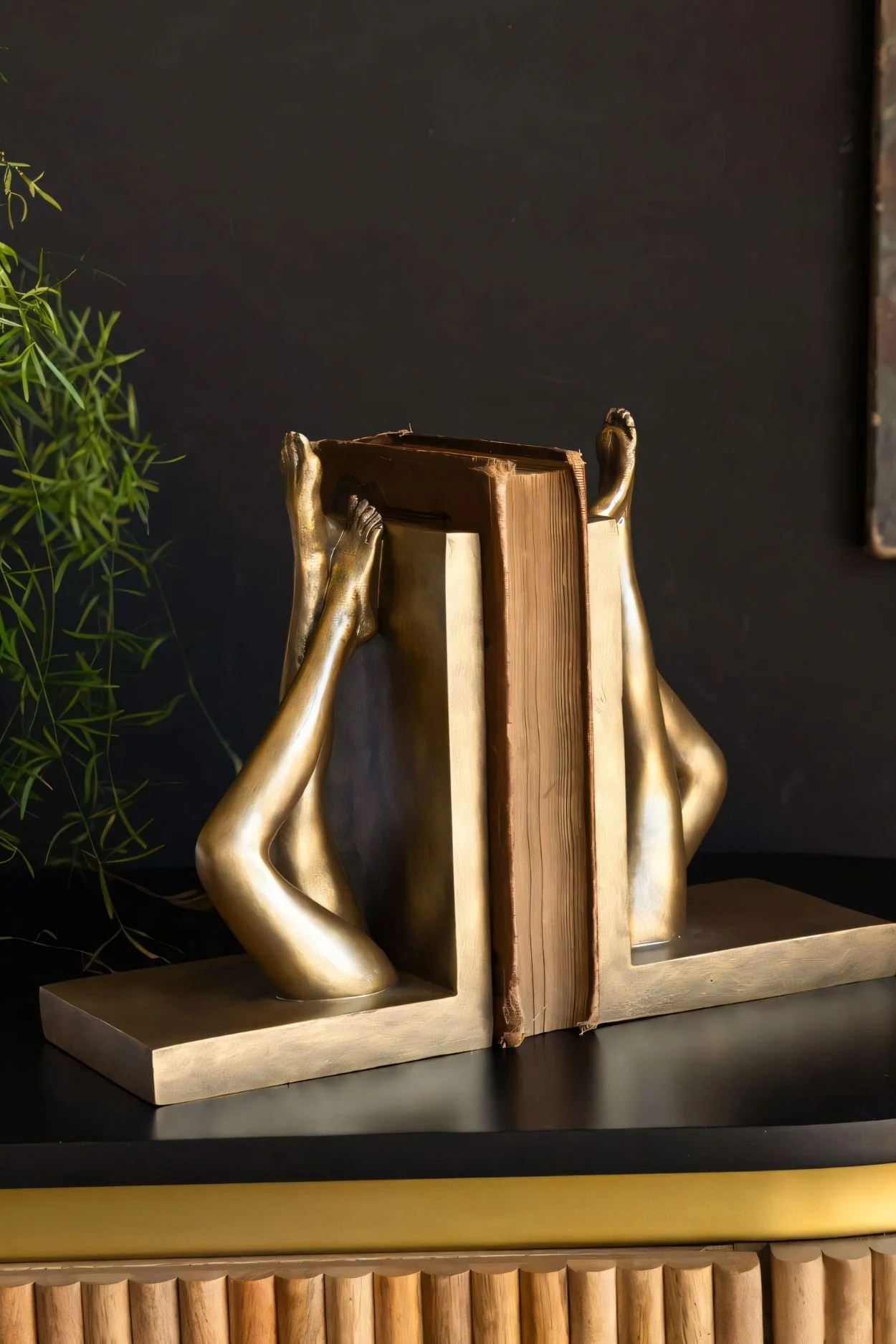
Displaying books with stylish bookends
Books on shelves instantly make a room feel curated and lived-in, and they help break up decorative objects so that shelves don’t look too contrived. You can find many unusual bookends, like the kicking legs in the image here from Rockett St George, that really add personality and style to the shelving.
Photo credit: Rockett St George
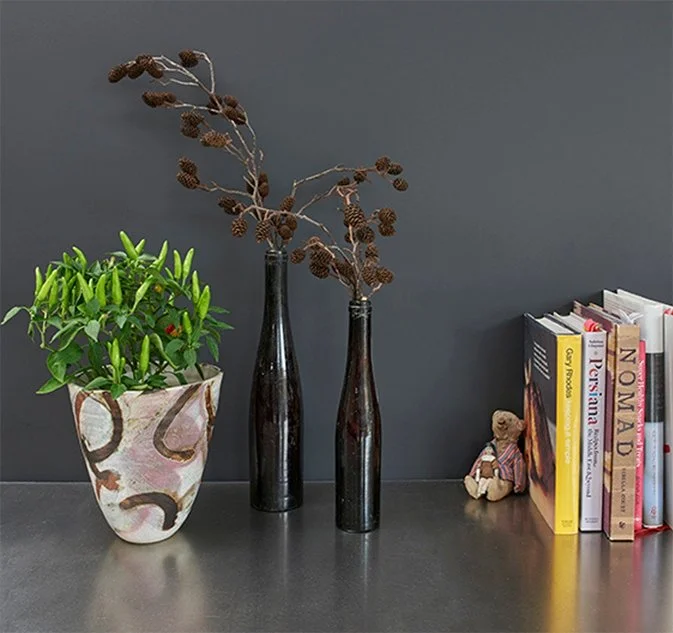
Displaying cook books in the kitchen
As cookbooks are both functional and decorative, kitchens benefit from several on display, either on open shelving or worktops, as shown in the image here. Arrange your cookbooks upright or stacked in a pile, depending on how often you use them and how accessible you want them to be.
Photo credit: Sandra van Aalst
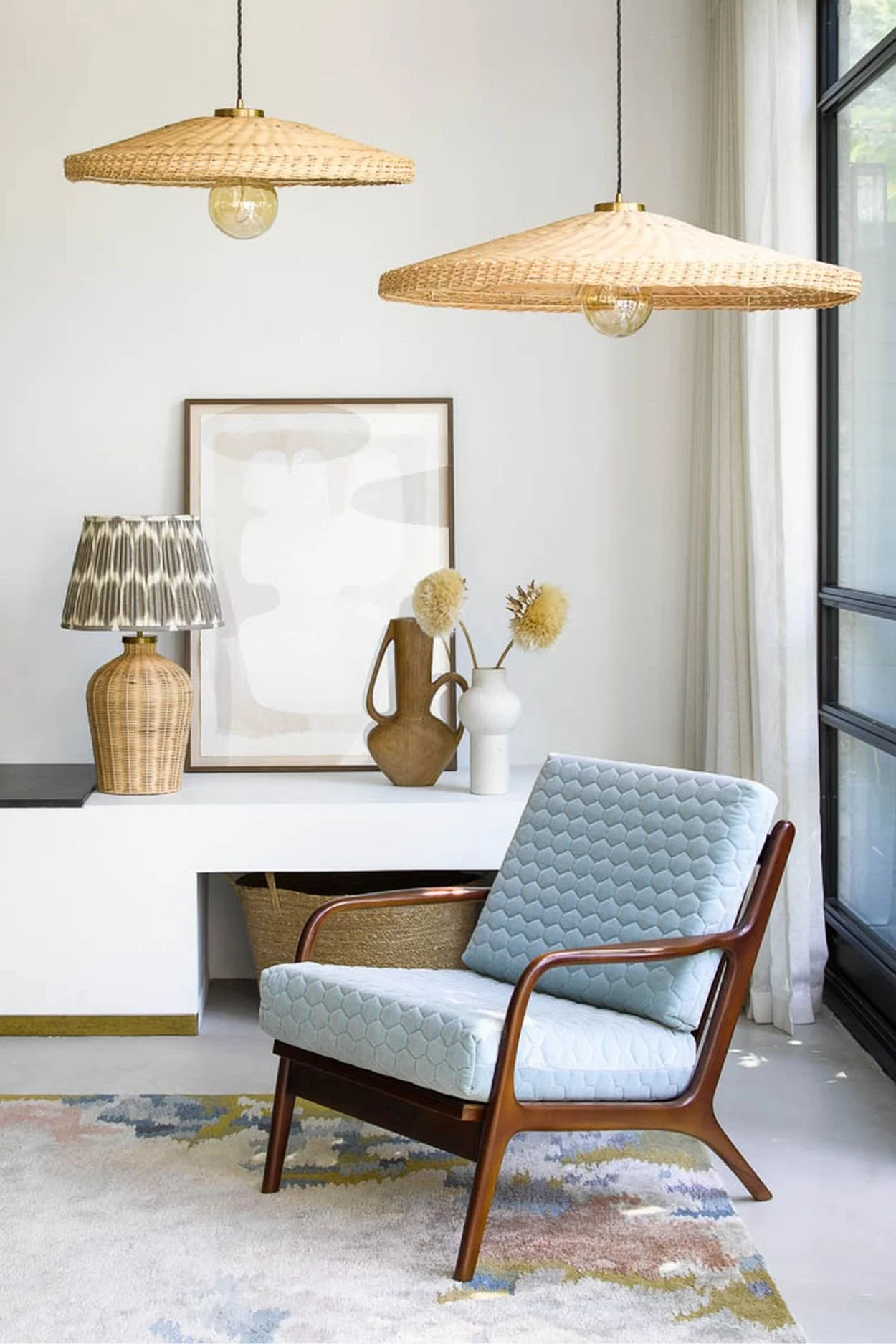
Styling with lamps for
atmosphere
A beautiful table lamp is a key interior styling piece - not only functional, but essential for bringing ambient light and atmosphere into different areas in the home.
Photo credit: Pooky
The table lamp has become my new styling staple, especially as it now comes in a portable version.Because these lamps don’t need to be plugged in - they run on battery or are rechargeable - you can place them almost anywhere: on a shelf, mantlepiece, console, dining, or coffee table. Aside from the portable models, regular lamps in glass, metal, wood and rattan, like the lamp pictured here with the Ikat shade by Pooky, are great styling items that effortlessly combine function and style.
With a lamp, it’s not only the base that is the design element; the shade plays a role too. The shade you choose can reflect your interior scheme and design style. For instance, you could opt for a rattan shade for a coastal style, florals or classic prints for more traditional interiors, a sculptural silhouette for a contemporary interior, or a wooden base for a rustic touch. Placing a lamp on a nightstand/bedside table or in a reading nook can create soft, ambient lighting, adding another layer to your lighting scheme.
Styling Tips
Be creative - a portable lamp gives you the freedom to be displayed on any surface where, due to needing to be close to a socket, a regular lamp wouldn’t work. For all types of portable lamps for every surface in the home, check out my recent post on styling with portable lamps.
Consider the bulb temperature, and whether you want warm or cool lighting in a particular room. Warm lighting tends to work in most rooms, making them feel cosier, while cooler bulbs are more for task lighting in kitchens and bathrooms.
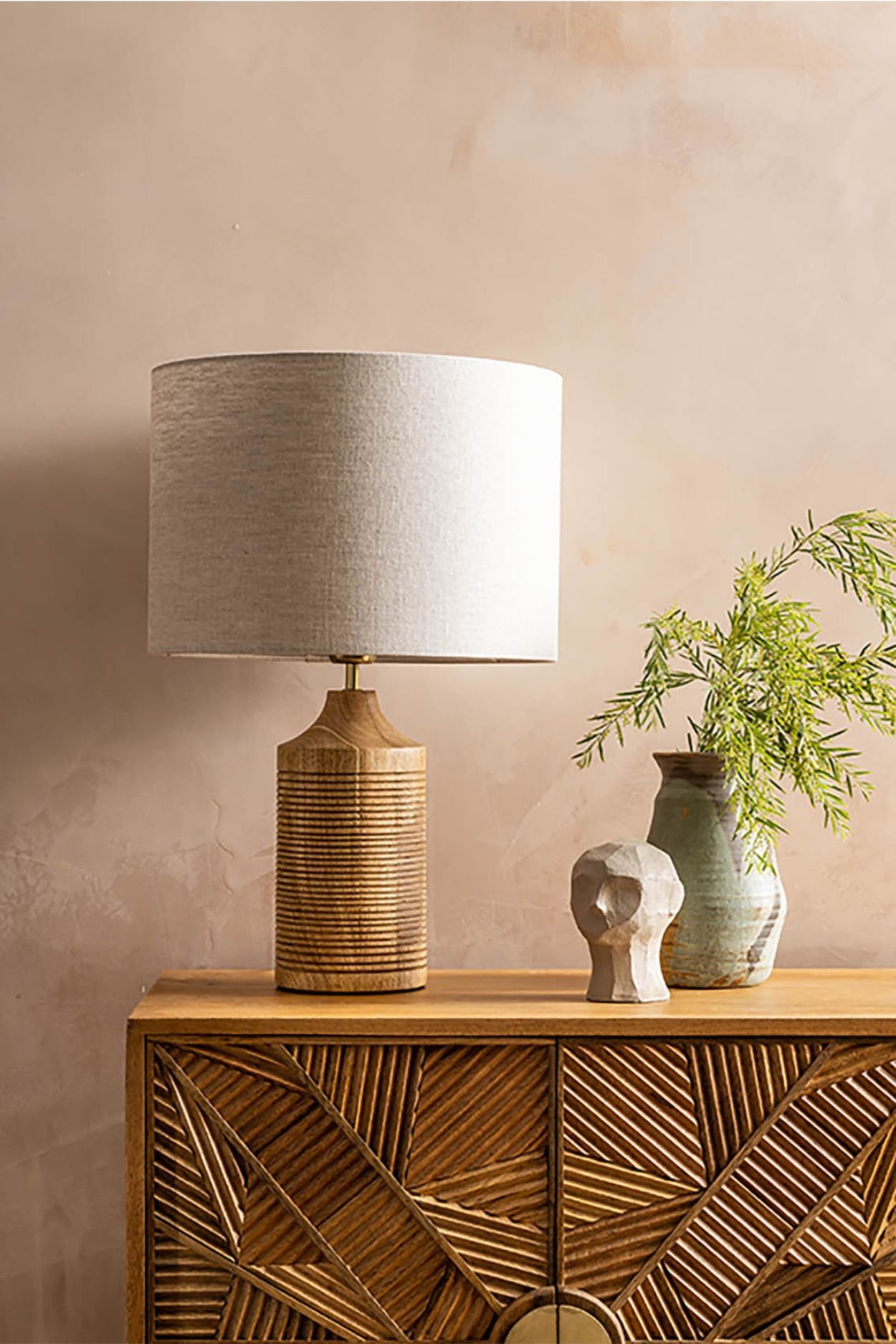
Styling with table lamps
Lamps with organic textured bases, like the mango wood design from Atkin and Thyme pictured here, look particularly good teamed with a neutral linen-style lampshade. You could also team a wood base with a patterned shade.
Photo credit: Atkin and Thyme
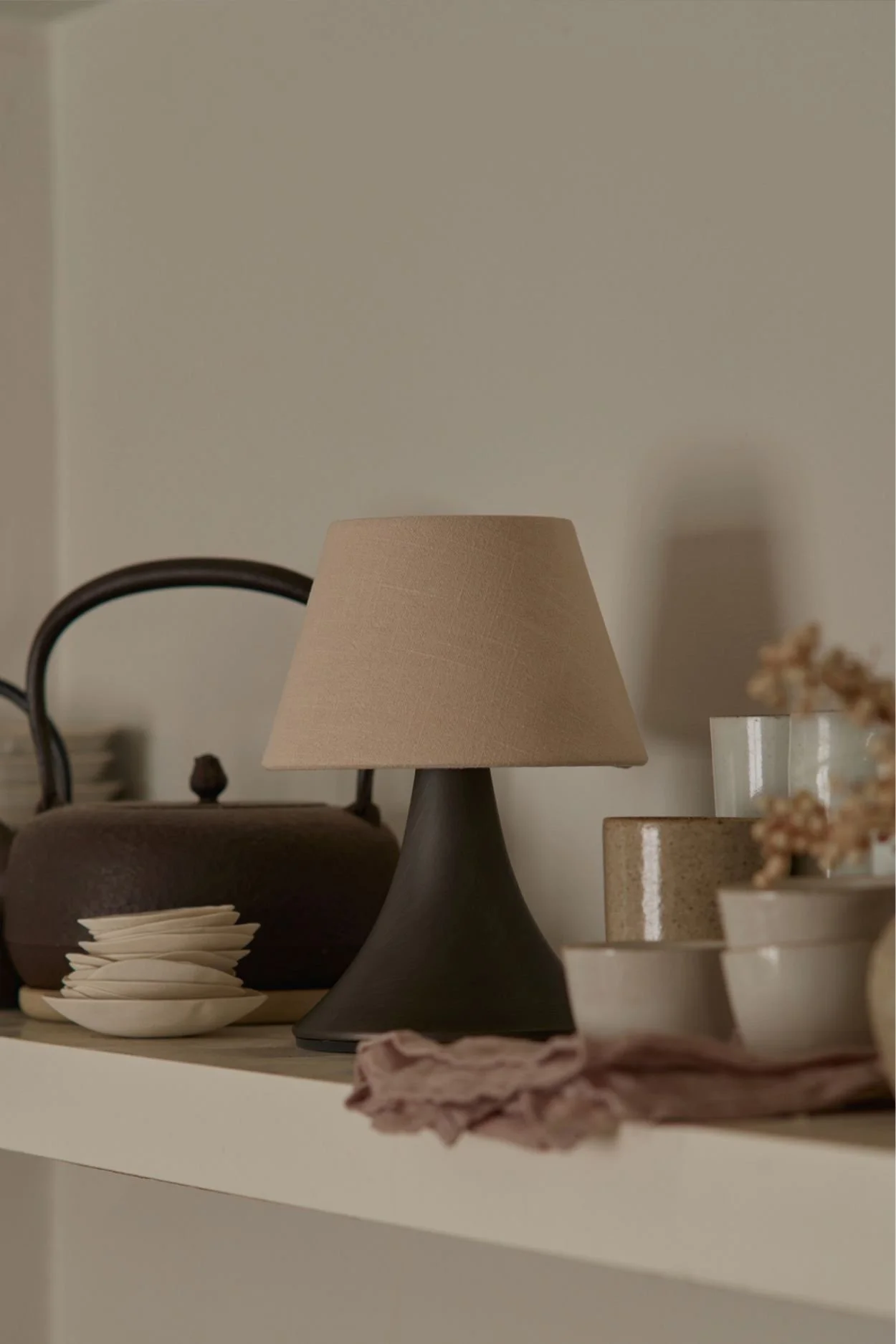
Portable lamps as a perfect styling item
Here is a great example of the versatility of portable lights, placed on a kitchen shelf where there’s no electricity available. The elegant bronze and linen one pictured here, by Lights and Lamps, is rechargeable using a USB-C cable, and looks gorgeous on a stylish shelf next to vintage teapots, small ceramic dishes, and earthenware mugs.
Photo credit: Lights and Lamps
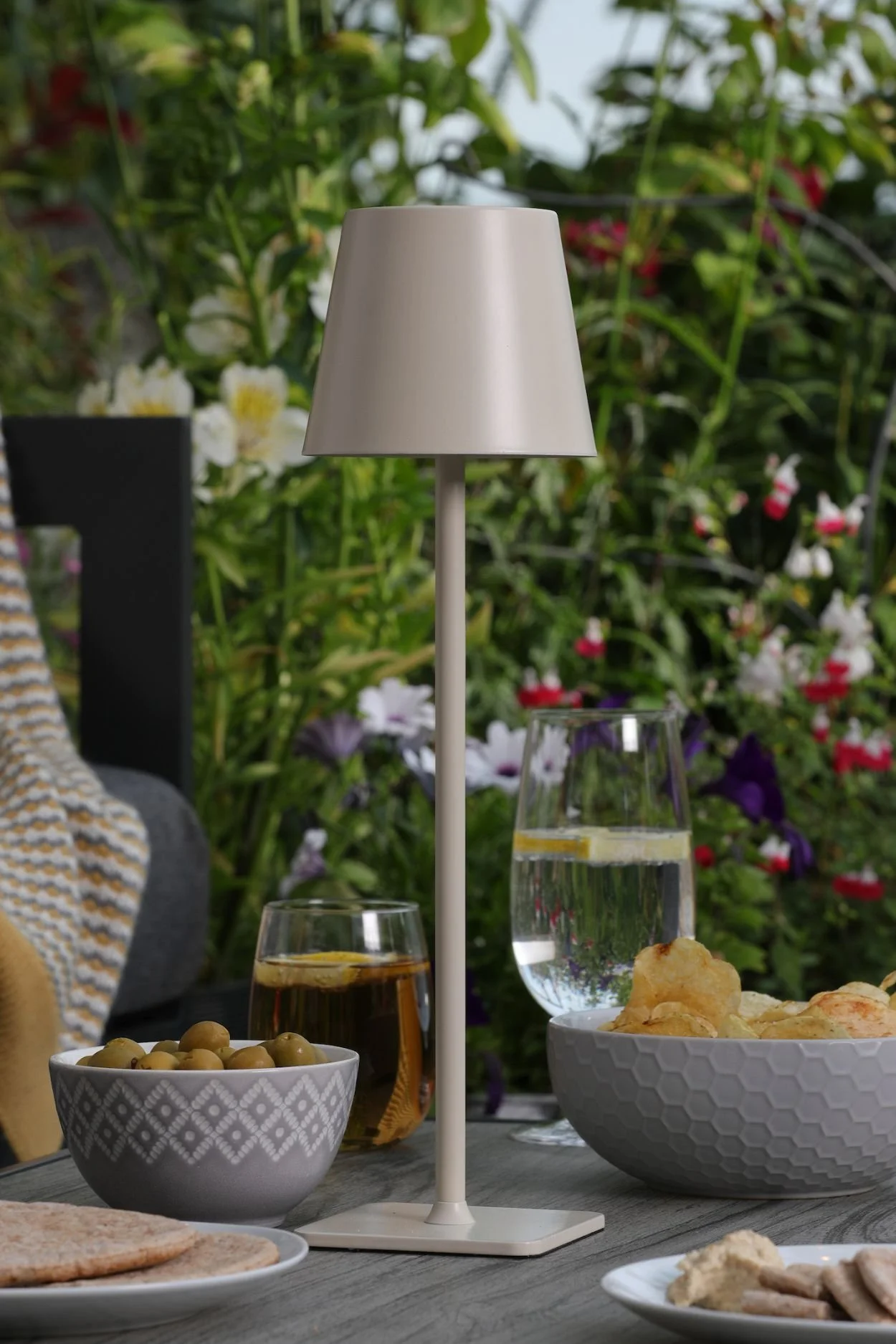
Styling with outdoor lamps to create an outdoor room
You can also style your exterior seating area with outdoor lamps which, like the one pictured here from Dar Lighting, are rechargeable and have an IP54 rating to ensure they can withstand the elements. These outdoor lamps can really transform your terrace or garden into an outdoor room.
Photo credit: Dar Lighting
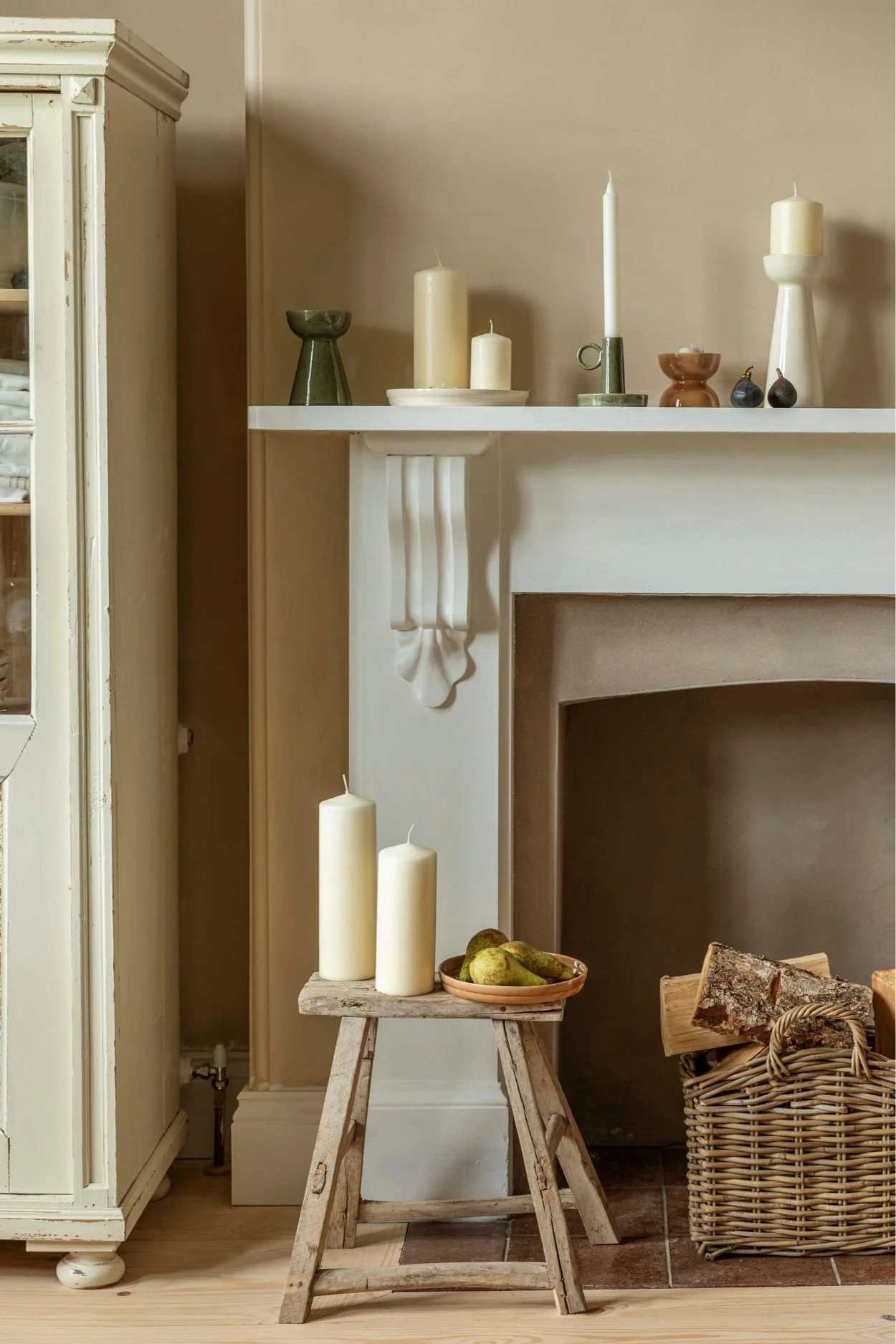
Styling with different types of candles
Candles in an attractive holder make a great styling item, whether lit or not. Group a few together for maximum impact.
Photo credit: Ivyline
Candle holders are one of my favourite style accents and I have several dotted around the house. Whether lit or not, they work beautifully as decorative focal points on surfaces like dining table, shelves, consoles, or mantelpieces, just like the interesting mix of candles and holders shown here from Ivyline. there’s a huge variety of designs available ranging from the popular sleek black wrought iron designs to the contemporary like the tapered modern shape in cream, brown and green pictured here.
A room is always more welcoming with the glow of candlelight, especially in the evening. Candles not only add a sensory layer to your space with their ambient light but also if they are scented, through frangrance, both of which play an increasingly important role when creating an atmosphere in the home.
From chunky pillar candles and tapered candle sticks to tea lights, there are candles to suit every style. And, if like me you like to play safe, there are now incredibly realistic faux candles on the market that look convincingly real, often made from wax with flickering flames. In the living areas, rather than placing a candle as a single object, either group a few together or display as part of a vignette alongside, a potted plan, frame,or other home decor pieces. In a bathroom, a scented candle placed on a stool can give you that spa-like feel.
Styling Tips
In a bathroom, style your candle holders or scented candles, next to a couple of attractive product bottles, bath salts, a small succulent or flower for a relaxing spa-like look.
Candles look great on shelves, but always check if the flame is close enough to the shelf above to prevent it leaving a burn mark. I learnt this from experince. Alternatively use faux candles on shelves.
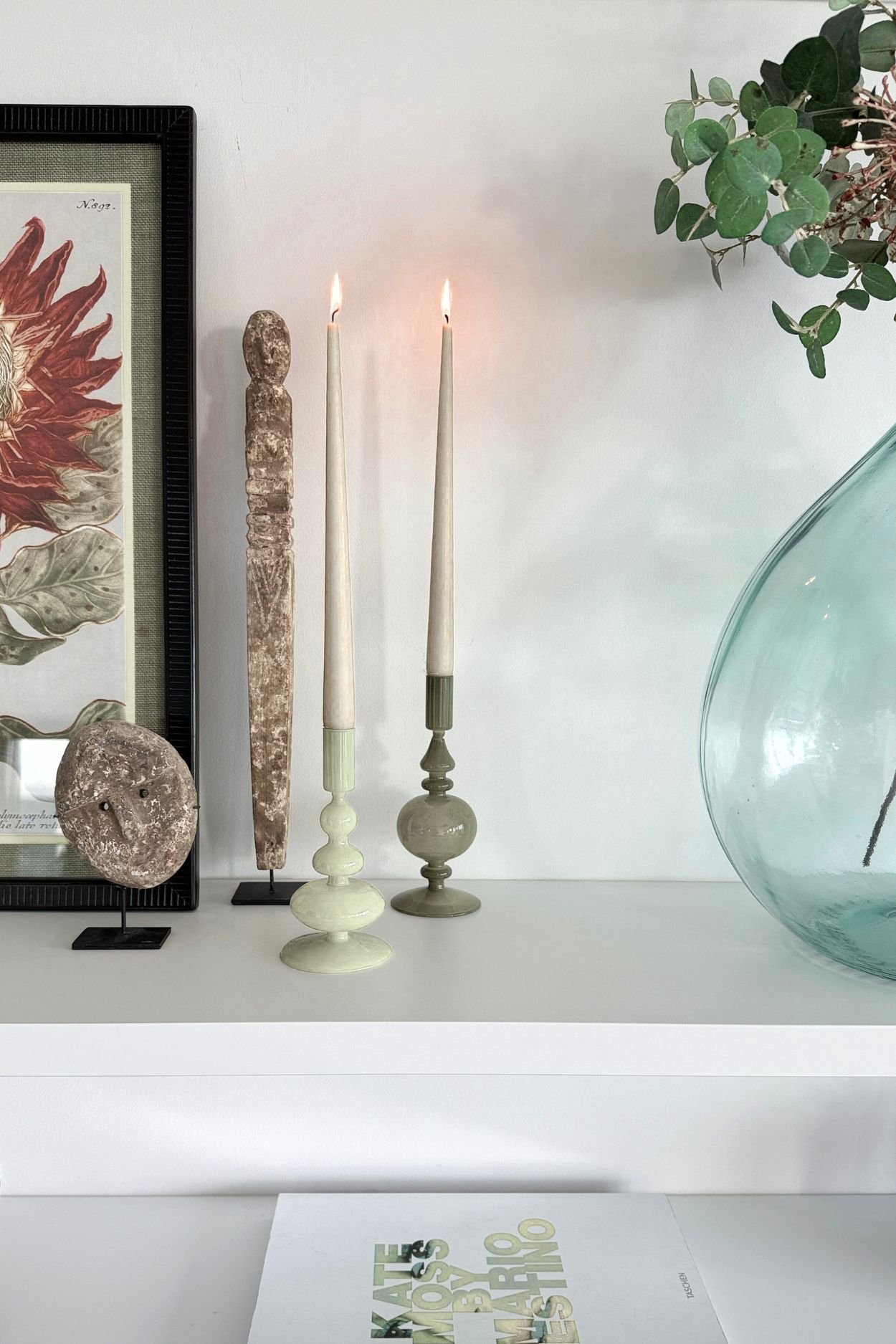
Candle holders to bring in colour and style
These glass candle holders, pictured here on my shelving, are beautifully shaped to resemble traditional oil lamps and help to create an interesting vignette. Grouped in varying tones of the same colour, they can look particularly effective. I’ve styled them alongside two wooden characters and framed artwork in similar green tones to create a cohesive and charming display.
Photo credit: Sandra van Aalst
Displaying scented candles for fragrance
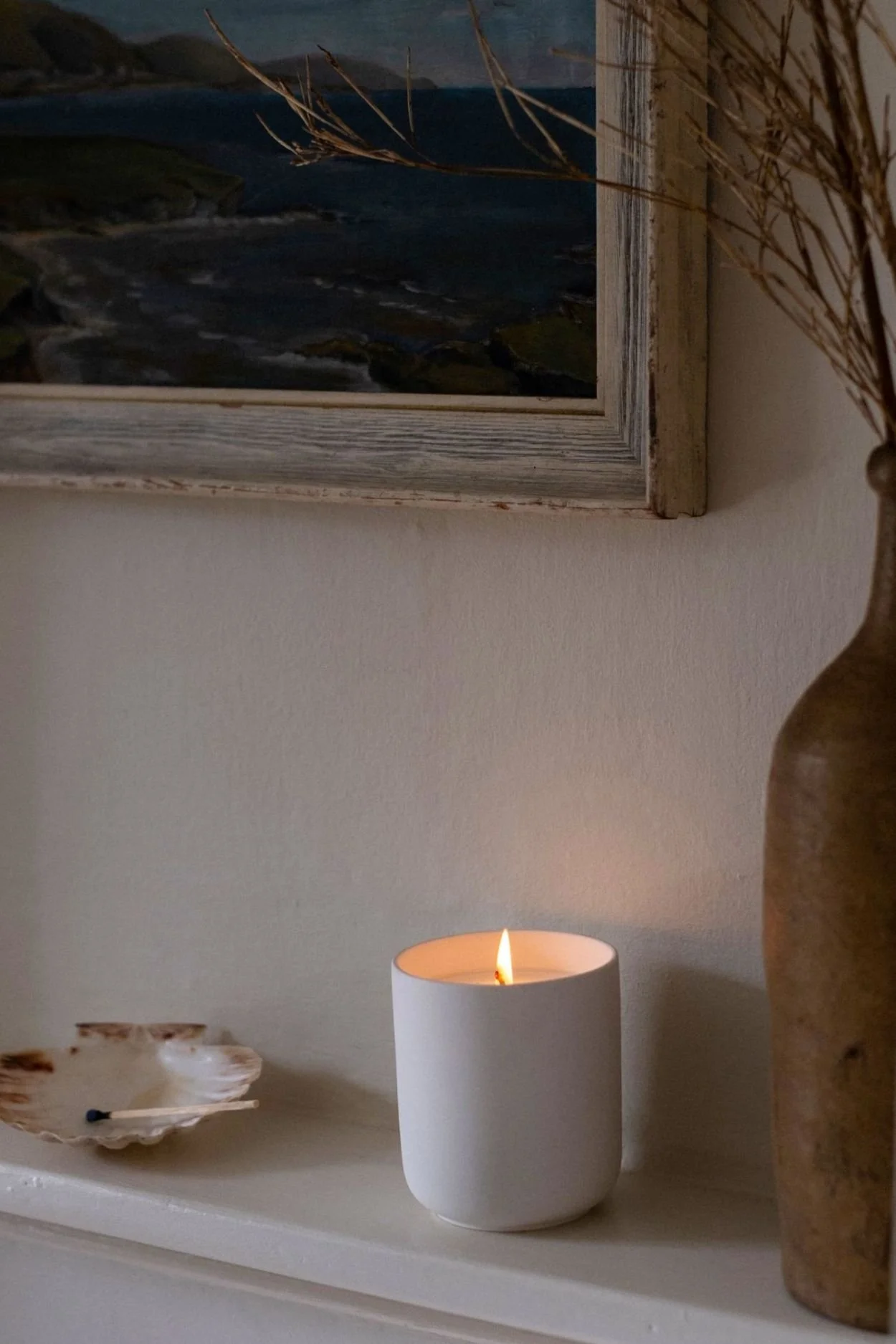
Scented candles have become a home staple, offering both decorative appeal and gorgeous fragrance, like the elegant white ceramic pot by Heaven Scent that is filled with a rich blend of aromas. You can style scented candles on various surfaces and pair them with a diffuser, to enjoy a subtle scent even when the candle isn’t lit.
Photo credit: Heaven Scent Incense Ltd
Styling with small tea light holders grouped together
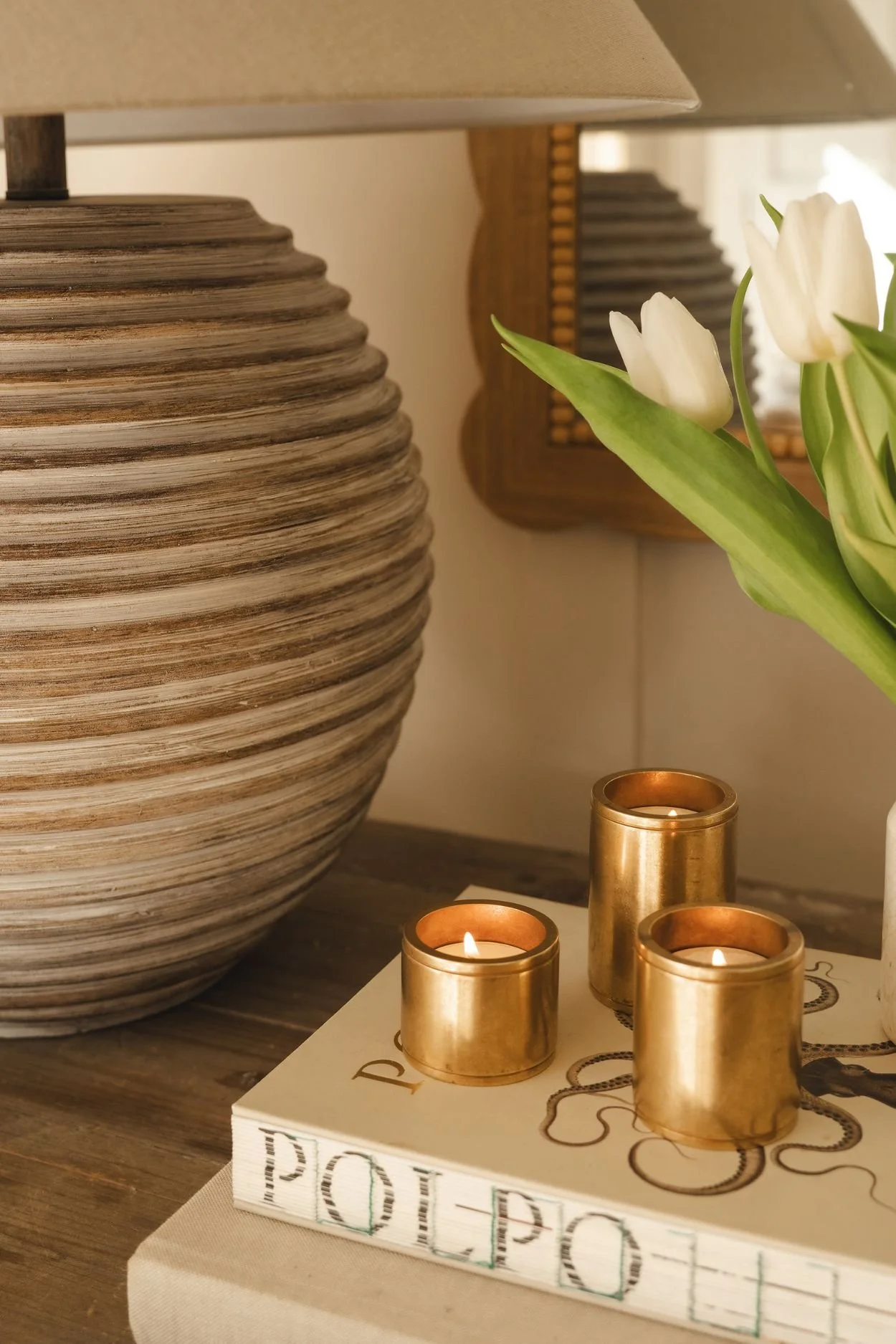
There are now so many stylish tea light holders and, when grouped in threes, they can have as much impact as their larger counterparts. You can display them on top of hardback books to add height, as shown in the image here. They also work beautifully in larger numbers as part of a striking tablescape.
Photo credit: Armac Martin
STYLING WITH HOUSEPLANTS &
GREENERY
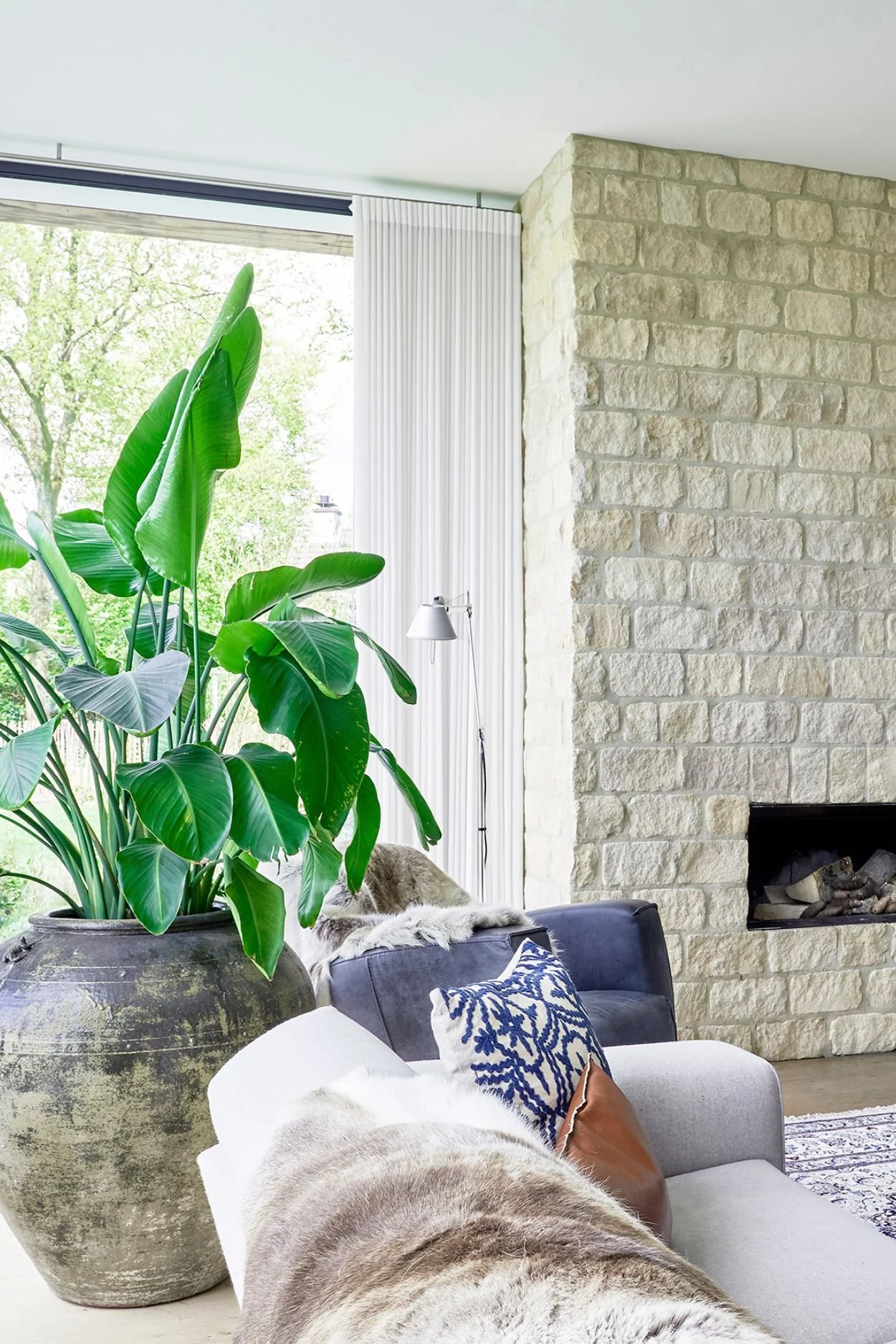
Houseplants, such as the stunning Bird of Paradise plant featured here, can act as a striking focal point. With their green, sculptural leaves, they cannot fail to elevate the look and feel of any room.
Photo credit: Sandra van Aalst
As a lover of the outdoors and avid gardener, I believe there are few spaces that cannot be made more stylish and complete without a touch of greenery. One of the biggest trends in interiors over the last few years has undoubtedly been houseplants. Whether it’s a tiny succulent beside a candle in the bathroom, a trailing plant cascading from a shelf in the kitchen, or a tall palm in the living room, plants work in every room in the house. I don’t have a single room without at least one plant. Not only do they enliven a space, but they also bring in good energy and offer health benefits by purifying the air and helping to reduce stress. No matter what size or shape, whether you choose a plain or a variegated species, fresh green leaves really make a difference to your home.
Styling Tips
If you struggle to keep plants alive by either over or under-watering, invest in a soil meter. It’s a simple, inexpensive tool that tells you when your plant needs watering by measuring the moisture in the soil.
For high shelves and other hard to reach areas, faux plants, even the trailing types, look convincingly real these days, and you don’t need to climb up to water them.
Faux plants as an
alternative
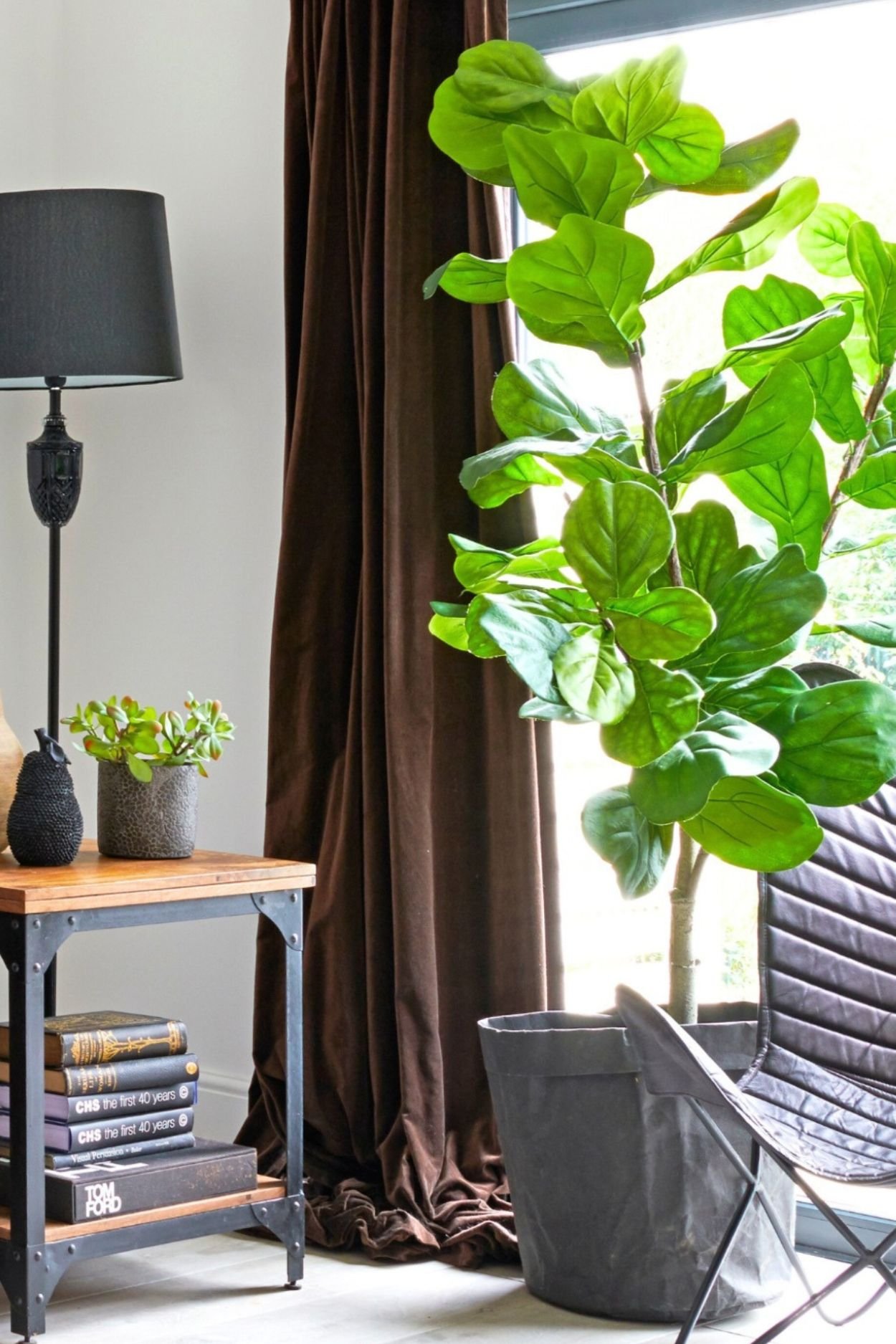
If you don’t have time to water, are away often, or simply don’t have green fingers, imitation plants have come on leaps and bounds. With some species, like the large Fiddle Leaf featured here, it’s now difficult to tell the difference. Also, some real plants don’t thrive in direct sunlight, so a faux plant is a good alternative for sunny spots. I believe imitation plants work best in a room when mixed with real plants, like in the image.
Photo credit: Sandra van Aalst photographed for a feature in Ideal Home magazine
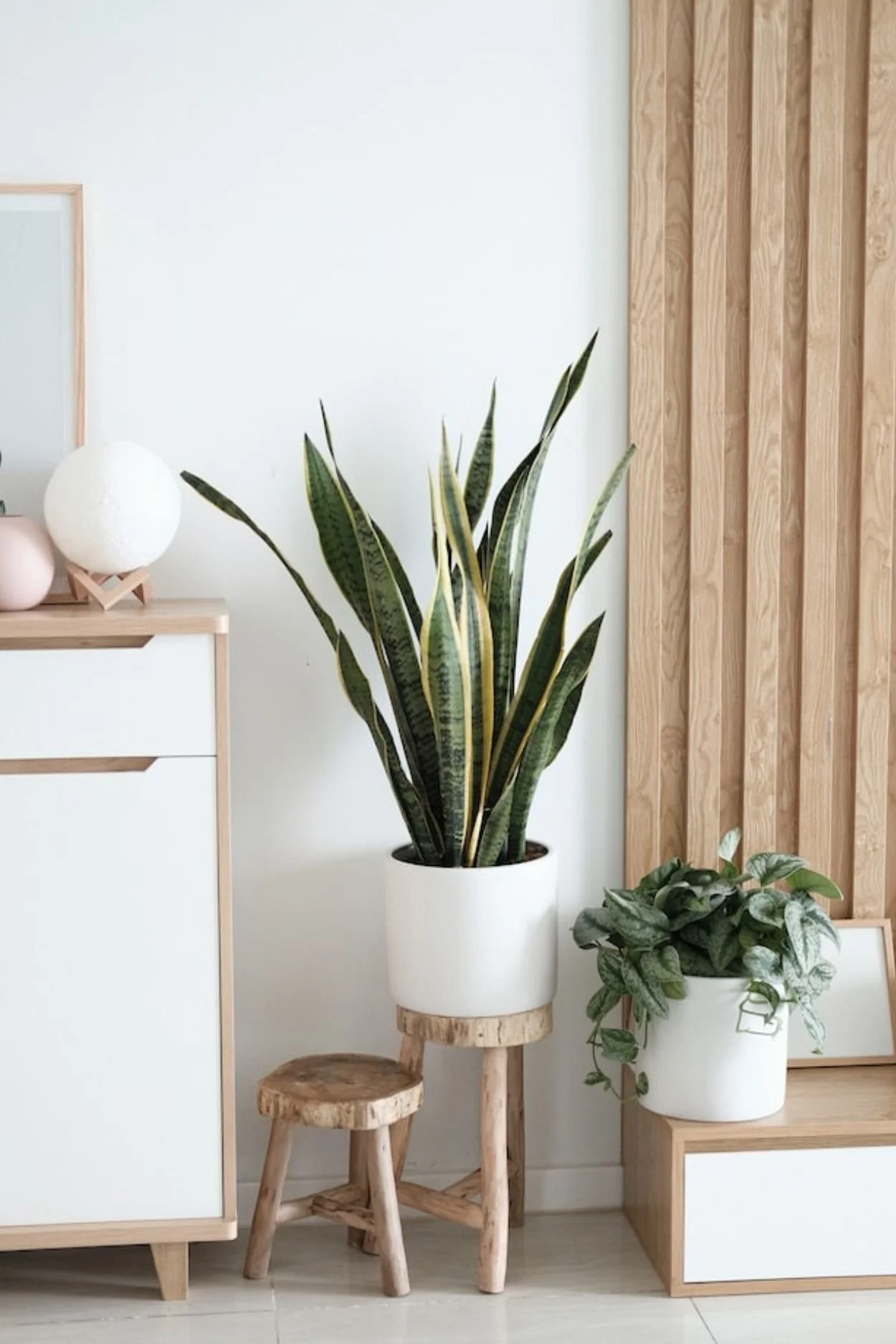
Styling with different types of plants
Sculptural plants, like the snake plant pictured here (also known as mother-in-law’s tongue), are popular in magazine shoots thanks to their architectural leaves, making them a favourite styling prop. I have three at home as not only are they stylish, but they are easy to maintain and can be divided to create several smaller plants, making them both decorative and practical.
Photo credit: Minh Pham Design via Unsplash
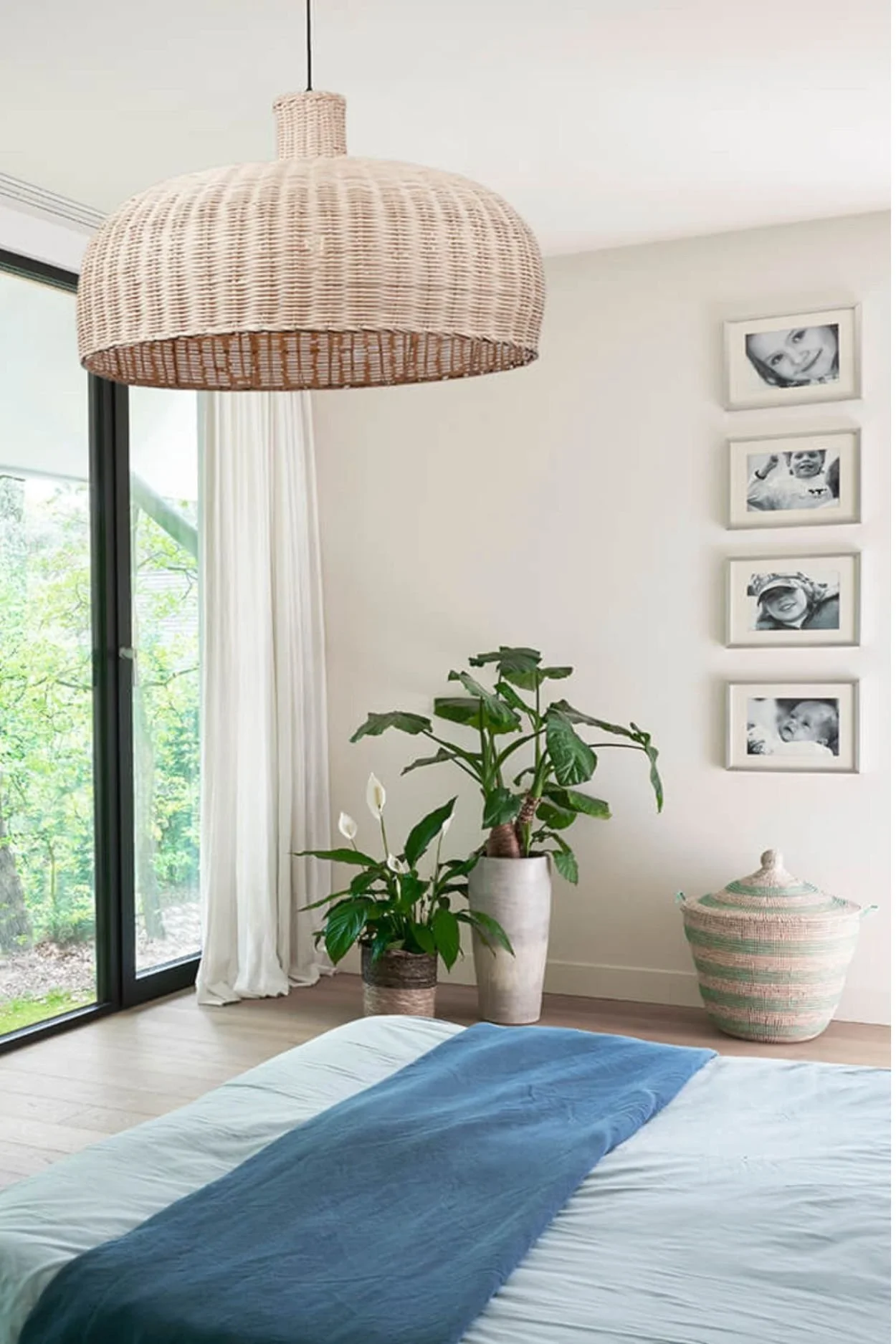
Displaying house plants in the bedroom
Plants help bring oxygen to the bedroom, making them a healthy and stylish choice. If you don’t have a surface to display one, consider placing it in a large pot on the floor, like in the bedroom pictured here, where a large peace lily and bird of paradise are displayed in textured stone planters in varying heights.
Photo credit: Sandra van Aalst
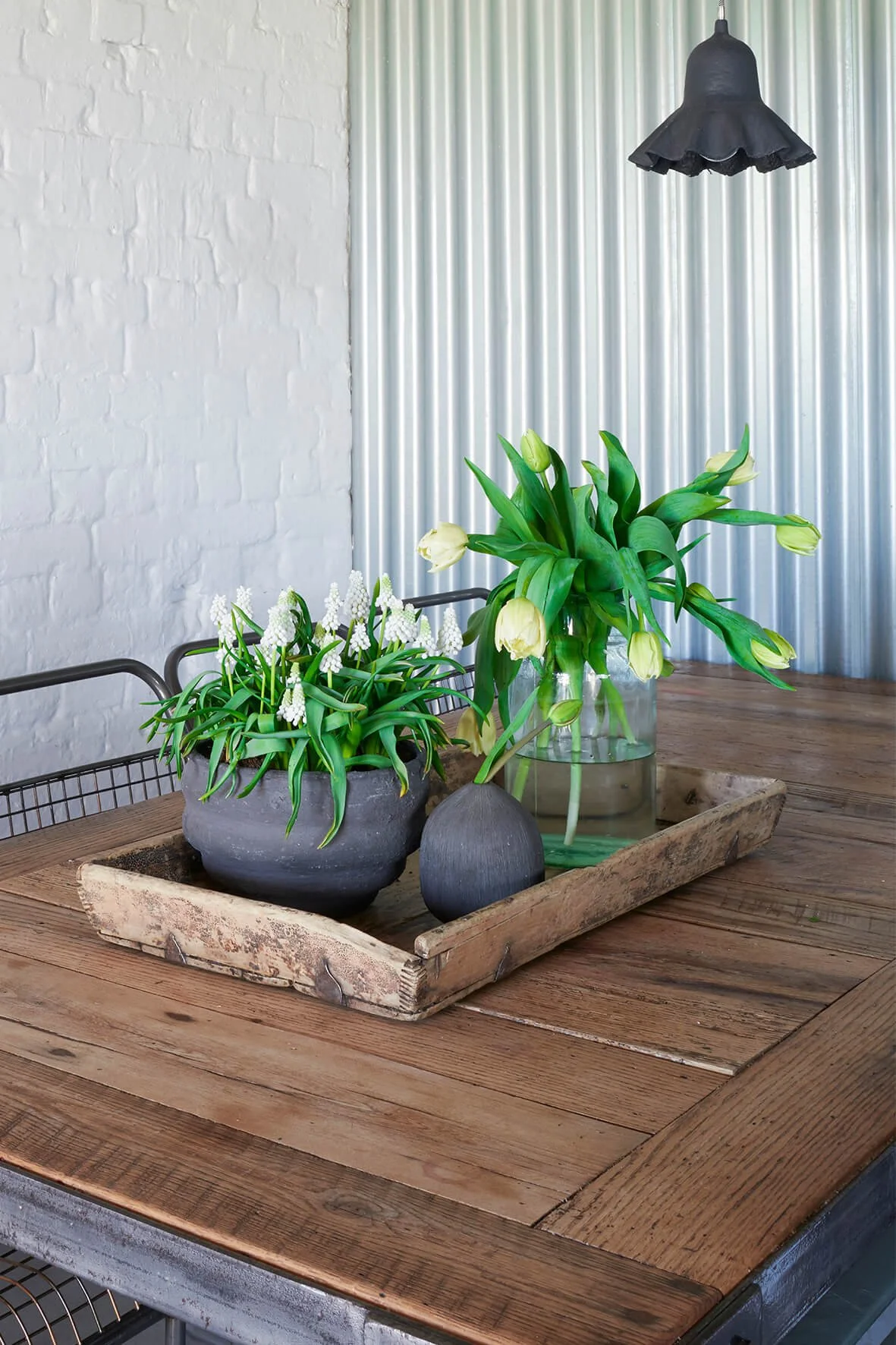
Using decorative trays to group items together
A tray is an intentional way to group flowers, plants and décor together, and works on many surfaces.
Photo credit: Sandra van Aalst for Seasons Wonen, Modern Farmhouse and 25 Beautiful Homes
I use decorative trays to group home decor items, which gives a stylish but slightly more organised feel to an area. While keeping home décor and other items such as books and candles together, the tray itself becomes a vignette. Depending on the material, the tray can complement your interior style, for example, marble, lacquered, or mirrored glass for an opulent look, or a wooden tray, like the one pictured here, for a more rustic feel. By using a tray to display plants, vessels, books, and other home decor objects, you can also pop in everyday items like coasters and remote controls to keep the rest of the surface uncluttered.
In the living room, a tray placed on a coffee table or ottoman can create a curated look by grouping together candles, books, or small potted succulents. In the kitchen and dining area, decorative trays can be both functional and beautiful, helping to arrange useful items in an accessible yet stylish way. A tray on the kitchen countertop might, for example, hold cooking oils, salt and pepper shakers or potted herbs. Meanwhile, on a dining table, a tray can serve as a centrepiece, anchoring candles, napkin holders, or seasonal decorations. In the bathroom, you can arrange product bottles next to a scented candle on a tray. They are also useful in the bedroom. I have three rectangular white lacquered trays from The White Company, where I display magazines, a scented candle, and books.
Styling Tip
To add texture, choose a tray in a contrasting or complementary material - like stone or steel on a wooden table, or a lacquered tray for a fabric ottoman.
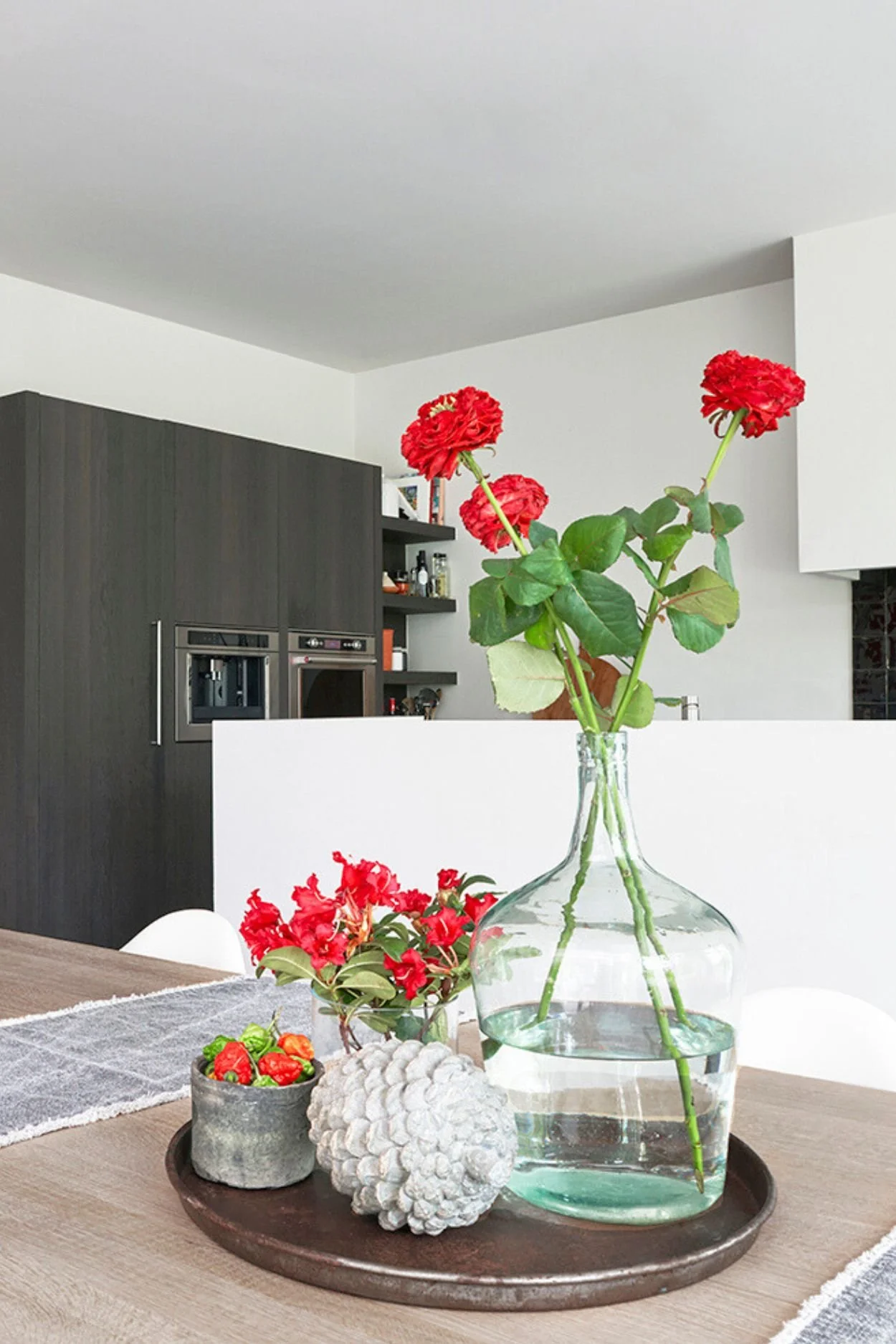
Stylish trays in the kitchen and dining room
This distressed metal tray pictured here adds a vintage touch to this contemporary space. I styled it with red flowers, a dish with chilli and a chilli plant, to introduce pops of red into the dining room, echoing the red in the artwork in the hallway. Displaying fruit or vegetables in the kitchen or dining area, like chillies, lemons or apples, adds colour and brings a fresh feel to the room.
Photo credit: Sandra van Aalst
Displaying trays on the coffee table
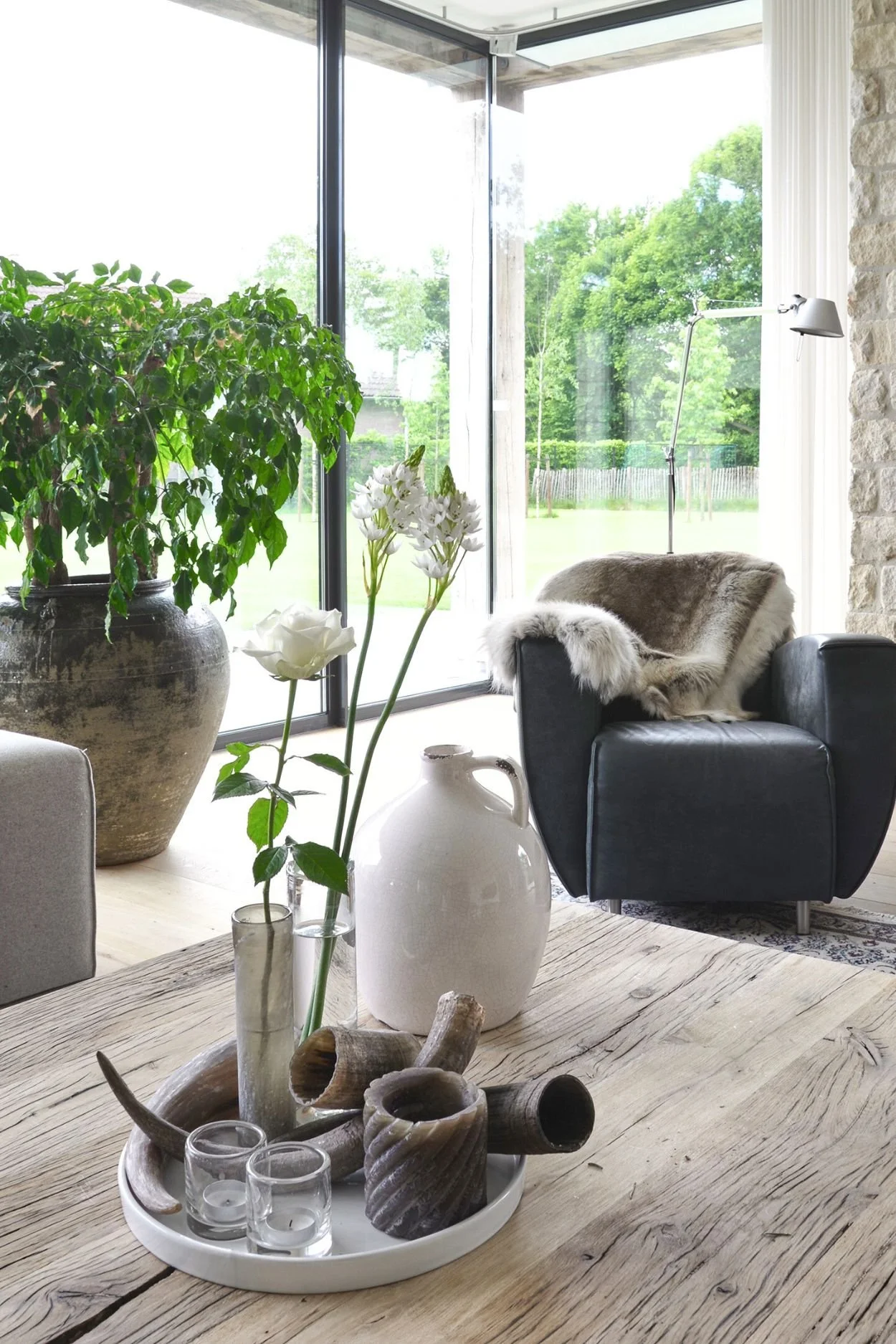
Trays can work beautifully on a coffee table, keeping items grouped together for a curated look. I styled the concrete tray with fresh white flowers paired with a white ceramic vessel to contrast with the rustic coffee table and create an elegant look. In a living room, a tray can be useful to tidy away practical items like coasters or remote controls.
Photo credit: Sandra van Aalst
Styling the bedroom with gorgeous soft furnishings
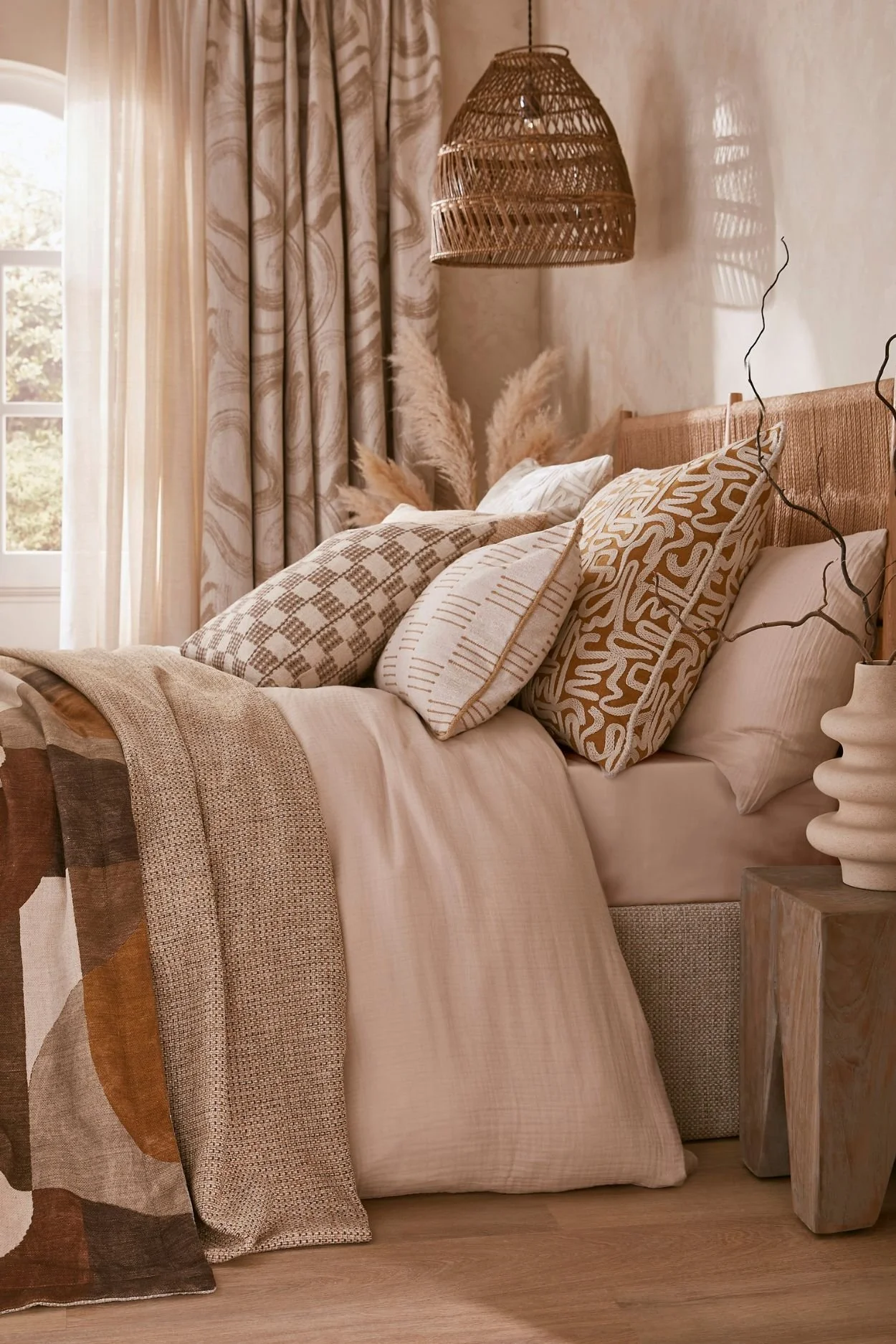
Bed linen is the foundation of a beautifully dressed, stylish bed.
Photo credit: ILIV
I am a sucker for beautiful bed linen - it sets the tone for your entire bedroom and, in the right fabric, can even aid sleep. With carefully chosen colours and textures, your duvet cover and pillowcases can tie your interior scheme together and form the foundation for decorative cushions, bedspreads and throws. From the effortlessly stylish look of crumpled linen to high-thread-count cotton and the luxurious sheen of mulberry silk, you can select the type of linen to suit your interior style.
Materials like linen and silk add tactile richness, while crisp white cotton is always a staple in luxury hotels, providing a timeless, elegant base. As the seasons change, not only can you switch your duvet to a higher or lower tog, but you can also update your bedlinen, opting for fresh white or pale tones in spring and deeper, warmer hues in winter to create that cosy, cocooned feel.
Styling Tip
A plush feather duvet will not only elevate the look of your bed, it will give that cloud-like hotel feel.
Bed linen with pattens and prints
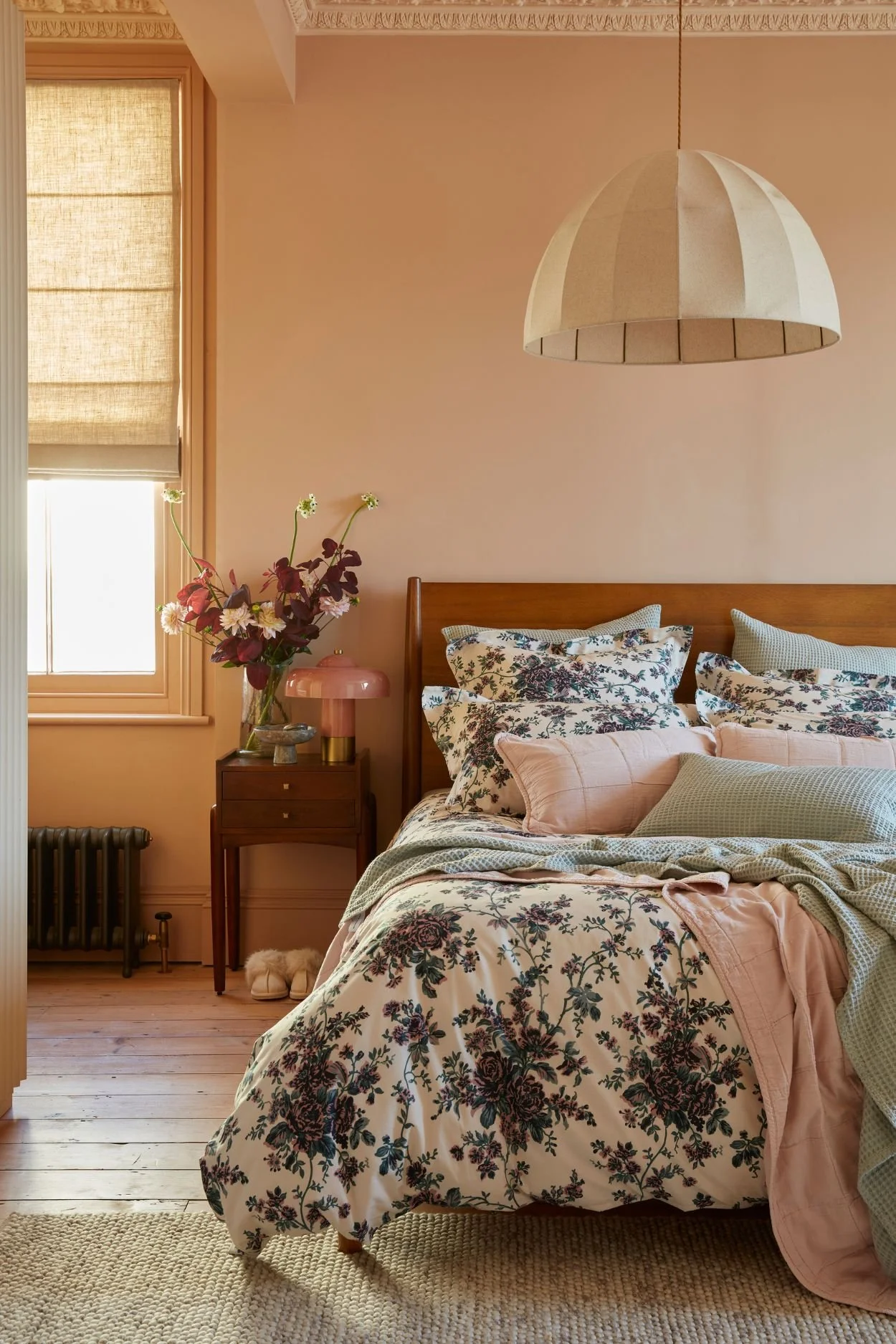
You don’t need to stick to plain colours when choosing duvet covers and pillow cases. Printed bedlinen can turn your bed into a striking focal point and instantly refresh your bedroom. There are endless design options to choose from, ranging from bold prints and subtle stripes to the floral organic cotton set pictured here by The Secret Linen Store.
Photo credit: The Secret Linen Store
Window treatments to soften the bedroom
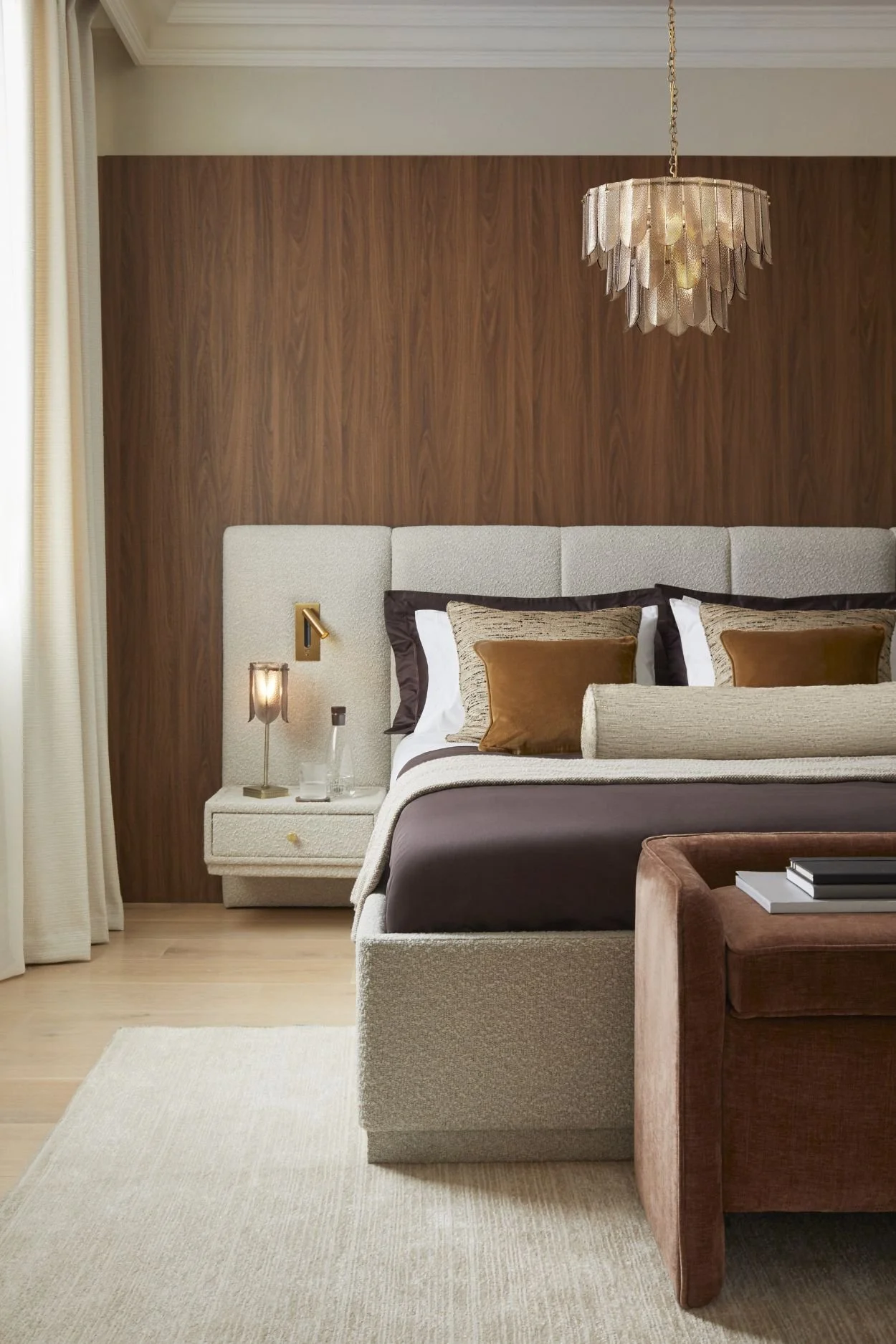
Curtains and blinds not only look gorgeous, they also soften a room and improve acoustics. I believe the bedroom is the most crucial space to get the choice of window treatment just right. If you prefer a darker environment for better quality sleep, as recommended by sleep experts, opt for curtains or blinds with blackout lining. If you love the look of delicate sheers, you could pair them with a blackout blind or hang them as a second layer on a separate track for function and style.
Photo credit: Dunelm
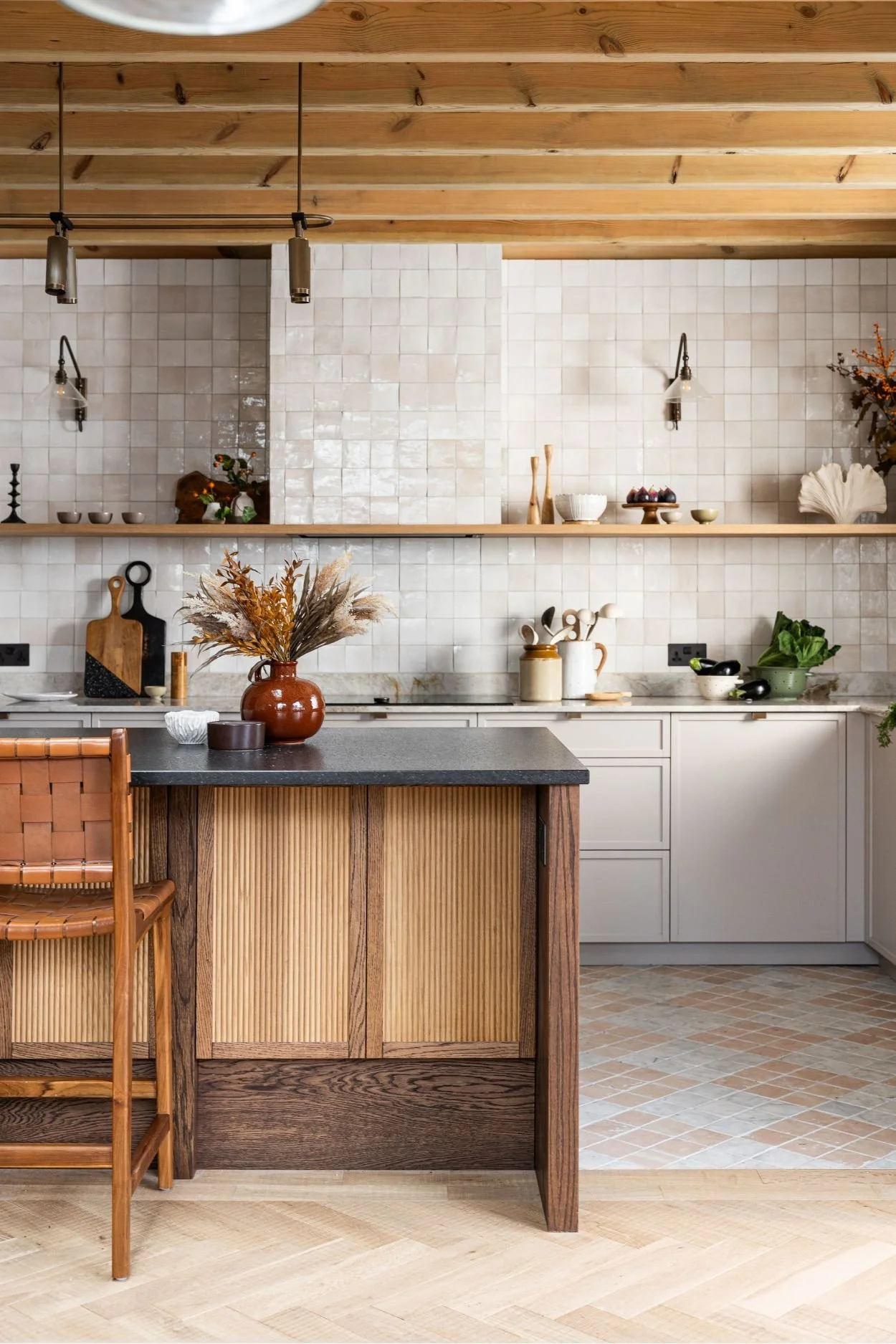
Styling essentials for a beautiful yet functional kitchen
Kitchens offer multiple surfaces - the island worktop, countertops, and shelves - that can be styled with a variety of items that are both decorative and functional.
Photo credit: Wood Works Brighton
The kitchen is one of my favourite places to style, as I love sourcing vintage functional pieces like chopping boards, glasses, or tableware that look far too beautiful to be shut away in a cupboard. With the growing trend for open shelving in place of high-level cabinetry, there are more styling opportunities than ever. You can mix most home décor items - vases, framed artwork, and plants - alongside attractive kitchen essentials like utensils, ceramics and glass containers.
The kitchen pictured here by Wood Works Brighton, is the perfect example of how decorative and practical pieces can be beautifully combined both on the shelf and worktop. From different toned chopping boards and vintage vessels for utensils, to a large decorative shell, candle and tea light holders, dried flowers and containers displaying green leafy vegetables and aubergines - it’s a true visual feast.
Styling Tip
Look for vintage pieces like chopping boards, a pestle and mortar, salt and pepper caddies, or attractive bottles, as they can really enhance the look of your kitchen surfaces.
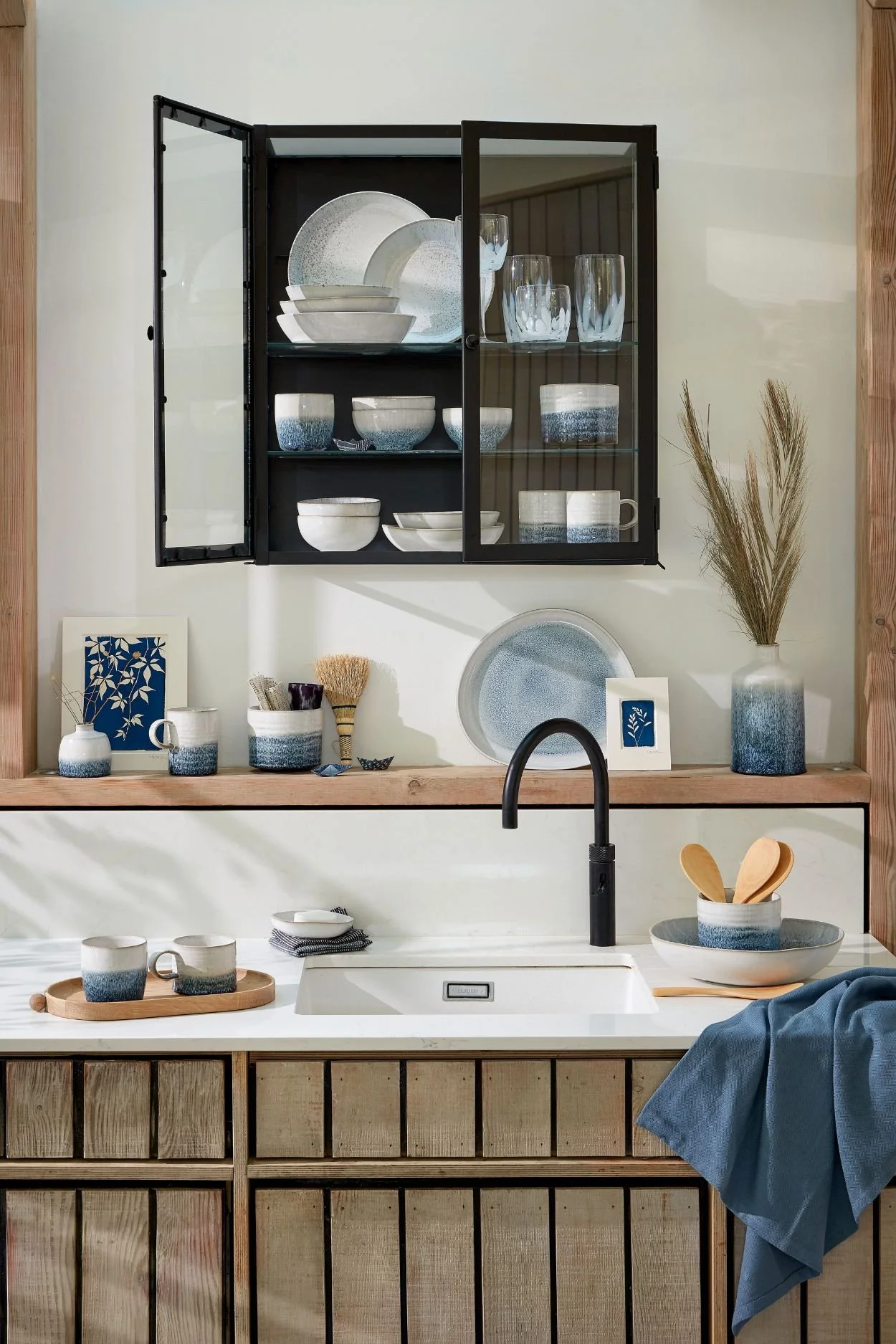
Displaying tableware in the kitchen
Tableware has become a form of art, like the beautiful Kiln Blue collection of cups, plates, bowls and other vessels by Denby. Open cabinets, like the black metal and glass one pictured here, are ideal for displaying such items, with the benefits of visibility without the dust. You can also arrange them on kitchen shelves or the worktop among other decorative elements, such as artwork and dried grasses, as shown in the image here. For added interest, consider combining wooden kitchen items like utensils and trays which, as you can see from the image, contrast beautifully with ceramic glazed pieces.
Photo credit: Denby
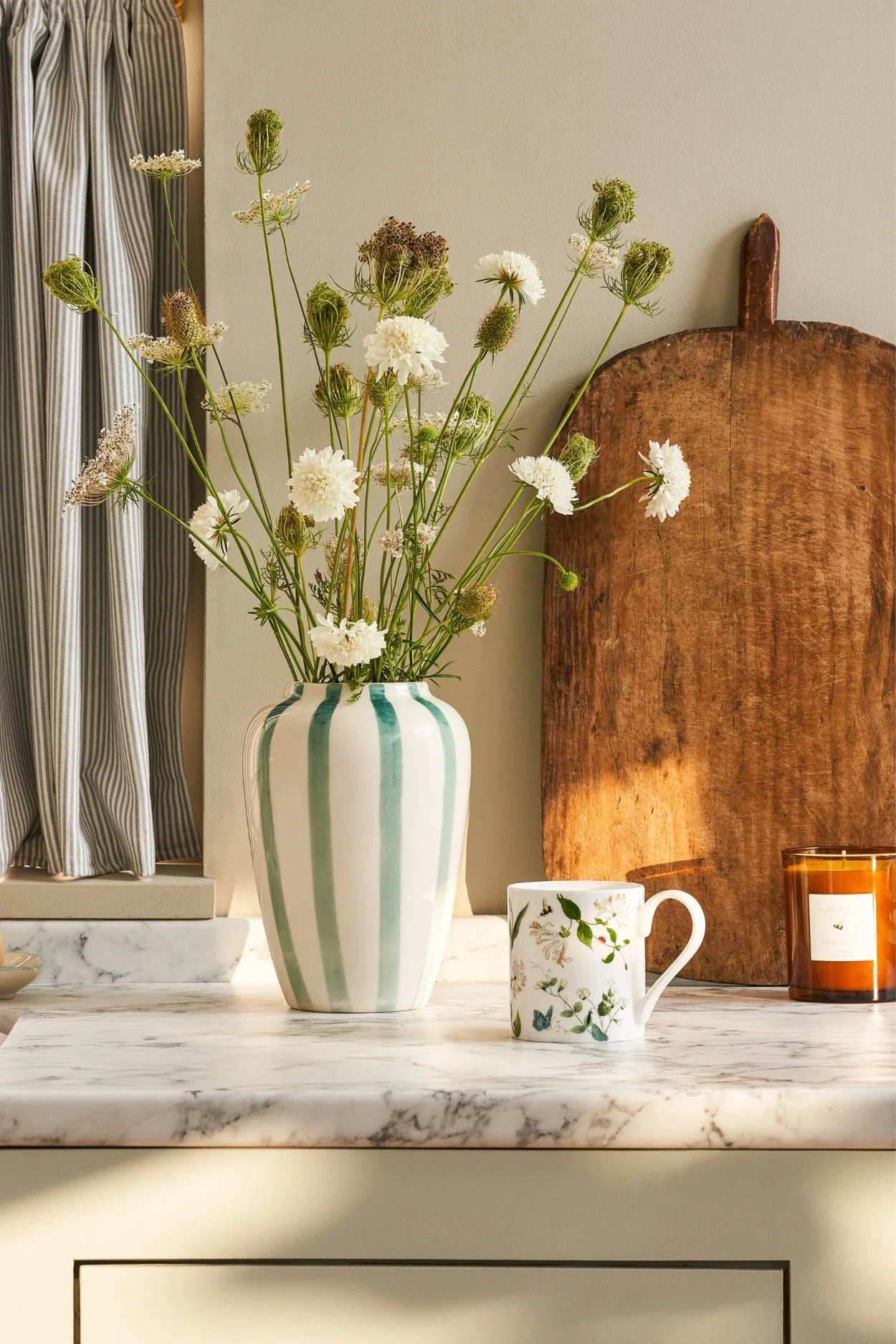
Chopping boards as the perfect styling item
Wooden chopping boards have long been one of the most decorative styling items in the kitchen, and especially when vintage, as they bring a rustic charm into the kitchen. Being both functional and decorative, you can lean them against the backsplash when not in use. You can also place smaller ones on a shelf. The vintage chopping board pictured here has been styled next to an elegant white and pale green vase from Sophie Allport filled with white blooms, which contrasts beautifully with the rich-toned wood.
Photo credit: Sophie Allport
LET’S SUM UP
A home without décor, soft furnishings, plants, and accessories can feel incomplete and appear bare, no matter how well-designed or furnished. It’s the styling details - like vases and vessels, stylish mirrors, gorgeous rugs, attractive table lamps and soft furnishings - that will bring your space to life. And finally, let’s not forget to add in those artefacts, photos, and artwork that tell a story and reflect your personality throughout your home.
Further reading: If you’ve enjoyed this post and want to explore more about styling items on surfaces and styling itself check out the following articles:
Interior Styling: What is it and How To Create a Beautiful, Cohesive Home
Shelf Styling Ideas: How to Decorate Different Types of Shelves
How to Style Kitchen Shelves - Creating Beautiful, Everyday Displays
I'm Sandra and interior stylist, writer, photographer and Sunday Times bestselling author. Having worked freelance for many of the interior magazines including Elle Decoration and House Beautiful, in my blog posts I share inspiring home tours, practical styling ideas and decorating tips to help you create a home that feels beautiful, personal and pulled together.
I also take you on tours of beautifully styled homes from around the world, offering inspiration and styling ideas to steal for your own space. Ultimately, I’ll show you how a little bit of styling can be transformational and take your home to a whole new level.