Interior Styling: What is it and How To Create a Beautiful, Cohesive Home
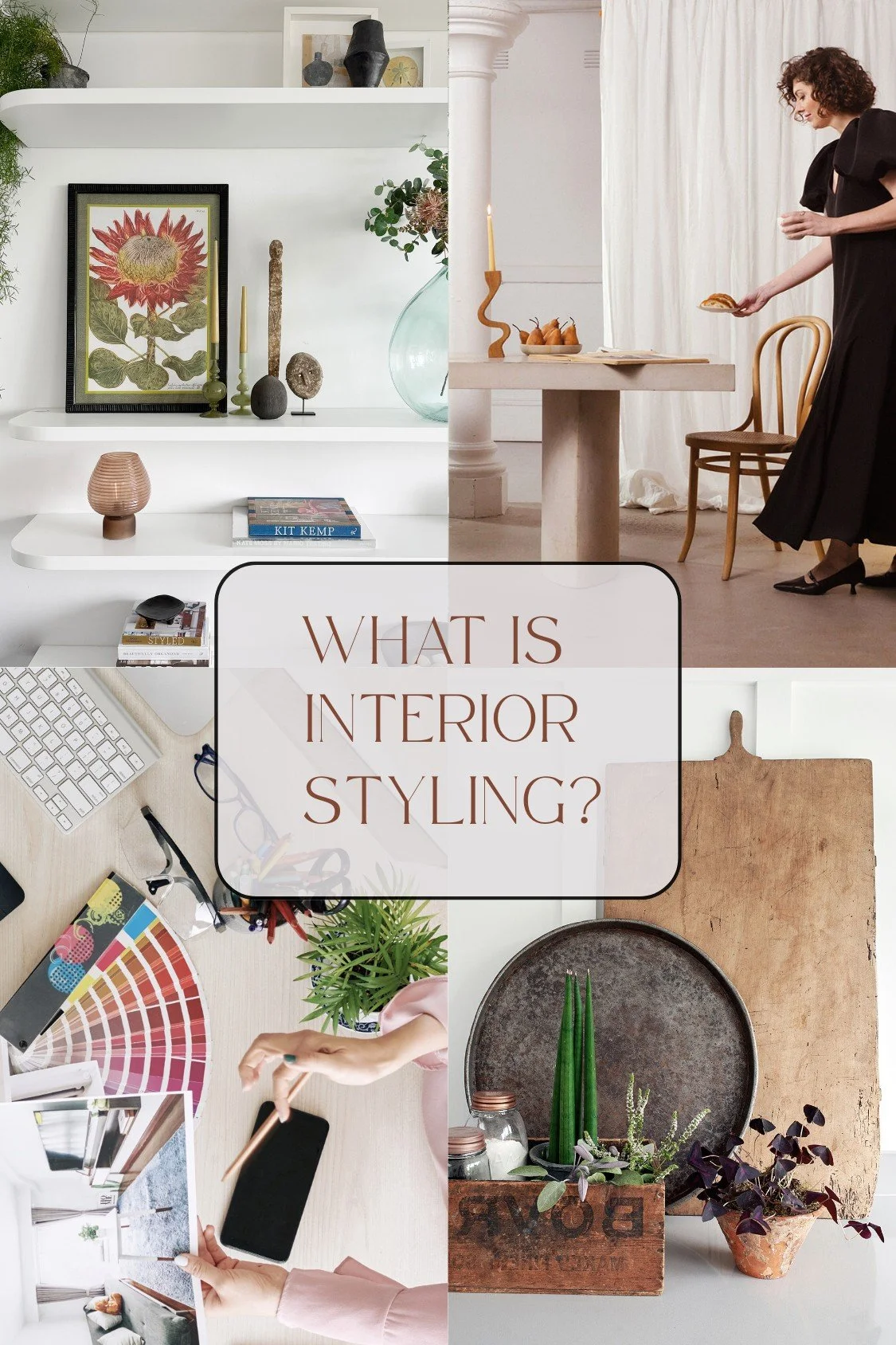
Interior styling is all about creating a home that feels cohesive and pulled together, without the need for renovating or even picking up a paintbrush. This article is for you if you want to better understand how interior styling can transform your home and make every space feel more complete. It is also for you if you are confused by the difference between interior styling (also called home styling) and interior design. While both focus on creating beautiful, personal, and functional spaces, and do overlap in places, they are not the same thing.
Simply put, interior design creates the bones of a space - shaping the layout and structure through flooring, fittings and fixtures, kitchens, bathrooms, lighting, and interior architecture. Interior styling, on the other hand, dresses and elevates a space through finishing touches - everything from lamps, vases and plants to art, cushions and throws - that bring a room to life.
Interior styling isn’t just about trends, rigid rules or following the ‘styling triangle’ often seen in Instagram feeds. It’s a more holistic approach that considers how furniture is placed, how colours combine and relate to one another, and how texture is layered through soft furnishings. Styling with decorative pieces, creating vignettes on different surfaces, and adding nature through flowers, foliage and plants also play a part in helping a home feel more stylish and complete.
Having styled many homes over the years, I’ve seen how ordinary rooms can be transformed into thoughtfully finished, exciting spaces, often with minimal cost or upheaval. You can work with what you already own, simply rearranging pieces in a more intentional way, or refresh your room by adding a few new items, such as cushions, for example, to introduce shape, texture and a new accent colour.
At its core, styling is about creating a visual narrative that brings your individual style and personality into your home and makes it feel lived-in. When I styled real homes for editorial shoots, regardless of the impressive kitchen, vast entryway or fancy bathroom, it was the curated styling using the homeowners’ own possessions that created a sense of charm and individuality and ultimately led to a home being featured in a magazine.
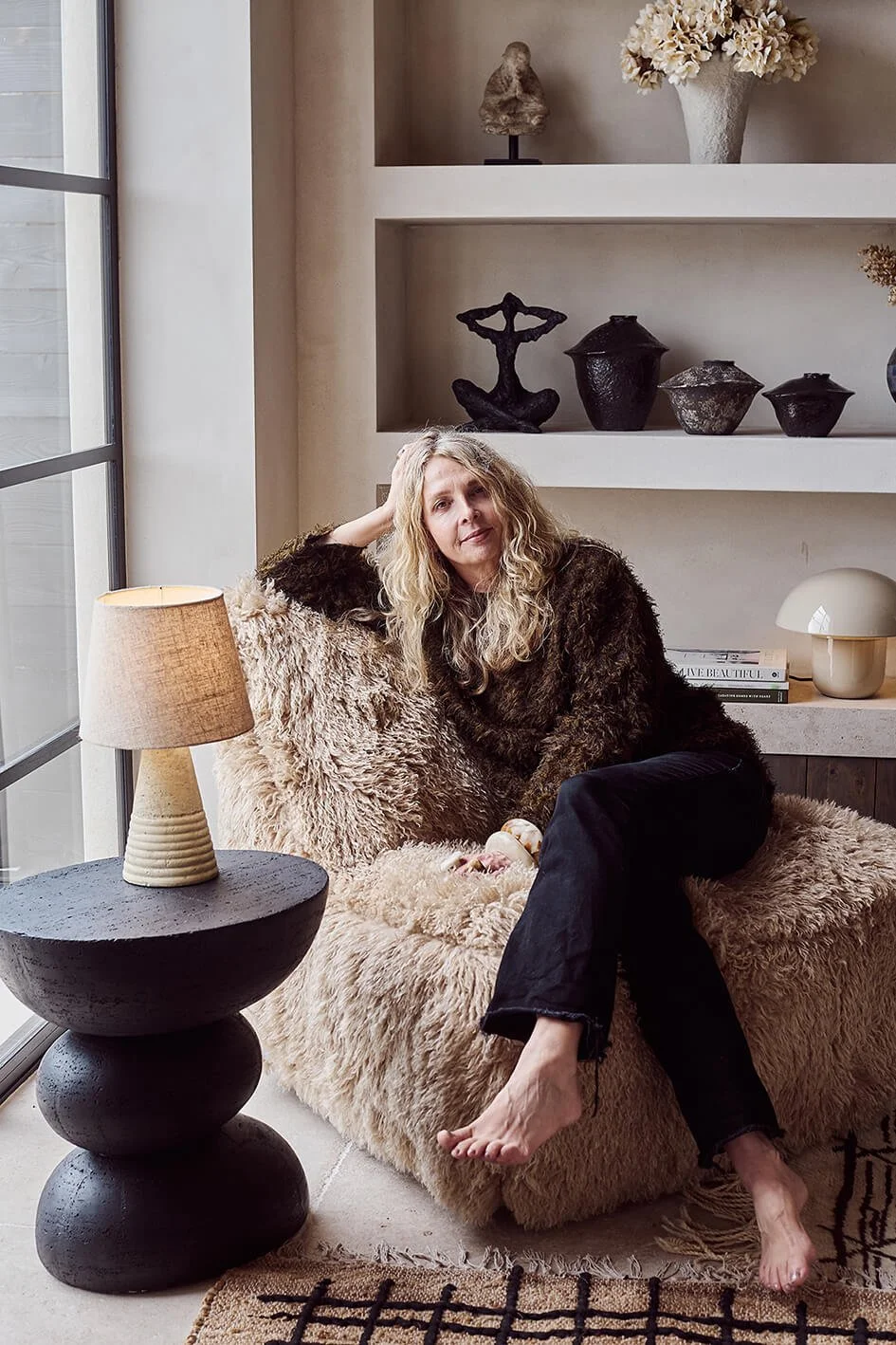
Photo credit: Abigail Ahern
Interior Styling Advice from Abigail Ahern
Known for her rich, layered and personal approach to interiors, Abigail Ahern is one of the UK’s most exciting interior designers. Alongside her design work, she runs a luxury homeware brand, voted one of the coolest stores in the UK by Elle Decoration, and described as a 'Wonderland' by the New York Times. It’s filled with gorgeous, characterful pieces that are perfect for interior styling and, as I love her vibe, I have a few dotted around my own home. Abigail has also collaborated with global brands including Crate & Barrel, Graham & Brown wallpaper and Ruggable.
With Abigail’s focus on layered, personal interiors, I wanted to ask what styling means to her. ‘I see interior styling as the finishing touches, the fun bit that allows you to add your own personal touches to your space. I am a firm believer that creating a stylish home is about surrounding yourself with things that you love and that resonate with the heart. These are a personal expression of who you are and the way you want to live, a place free from rules and authority where you can do whatever you like - that you’ve escaped into your own universe,’ explains Abigail, pictured here sitting on her rather unique faux fur chair, surrounded by her stylish décor.
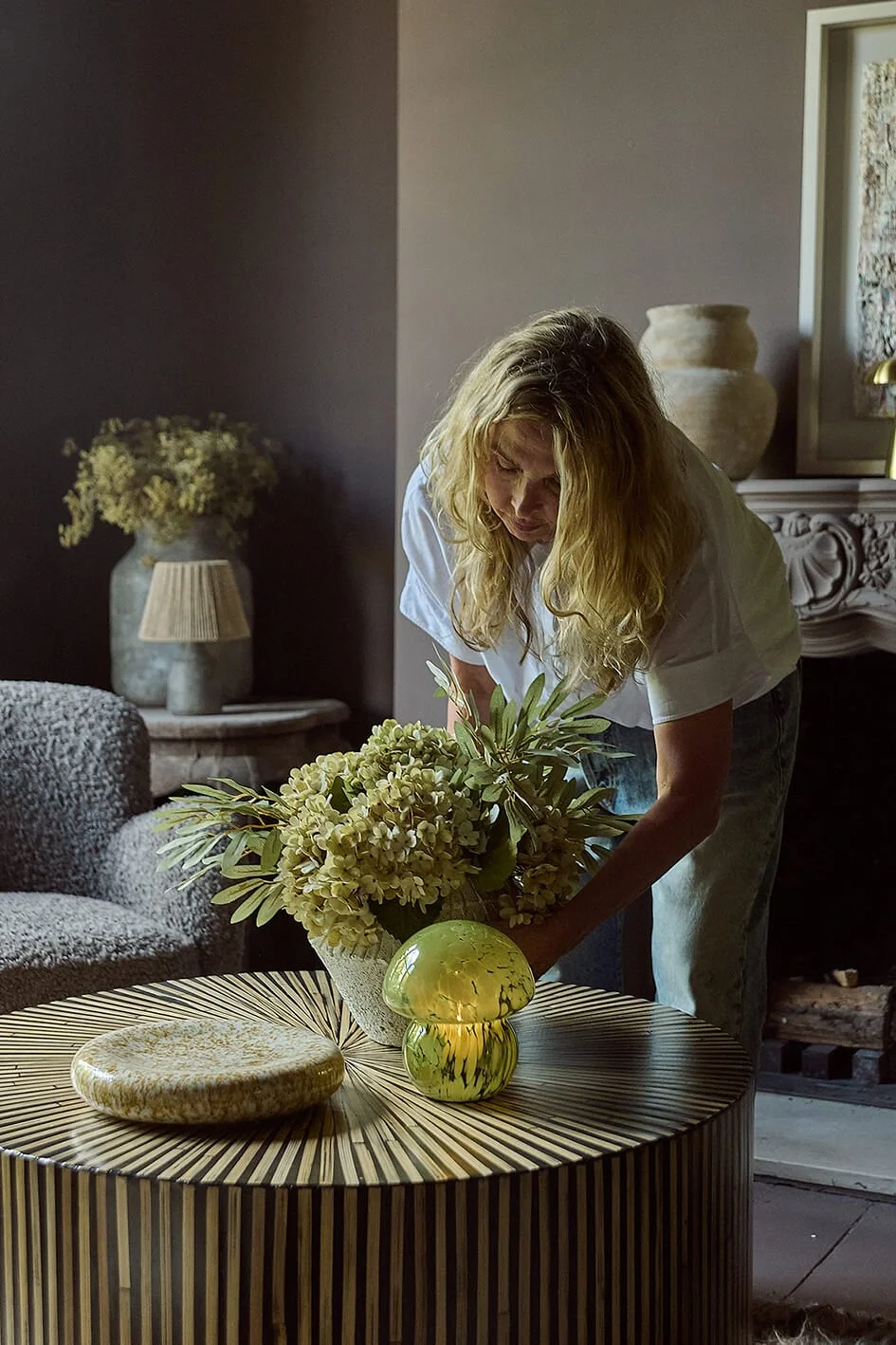
Photo credit: Abigail Ahern
I asked Abigail, pictured here styling a coffee table, how she likes to style a space. ‘I personally love to play with textures and contrasts, generally in earthy hues, as I want my space to feel grounded and cocooning. How you style your room with the finishing touches – cosy softs, art, sculpture, and lighting, etc. – is essential in nailing your own unique vibe and how you want to feel in your space.’ Check out Abigail's online store for styling inspiration and her handpicked styling items.
What is the difference between Interior Styling and Interior Design?
I have many friends who are interior-savvy, yet still unsure about the difference between interior styling and interior design. Having worked as a photographer and interior stylist for magazines, studied interior design and designed my own homes - including a complete new build from the ground up - I’ve experienced both. To help clarify, I’ll first break down the difference between the two, before going into more detail on styling itself.
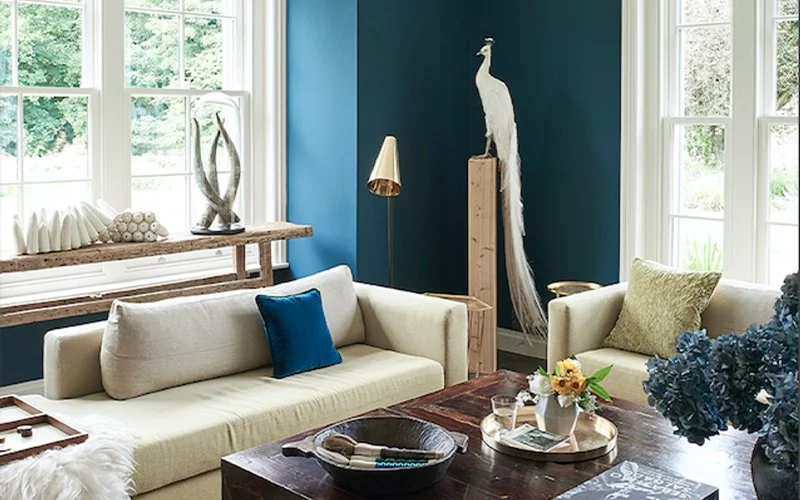
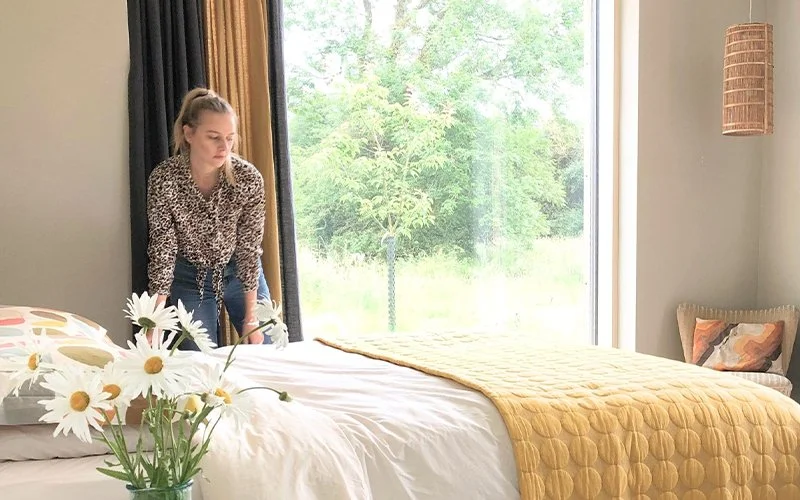
Interior Styling
Improving flow and layout, furniture placement tweaks
Creating cohesion across rooms with colour, materials and texture
Styling a sofa, bench or chair with soft furnishings such as throws and cushions
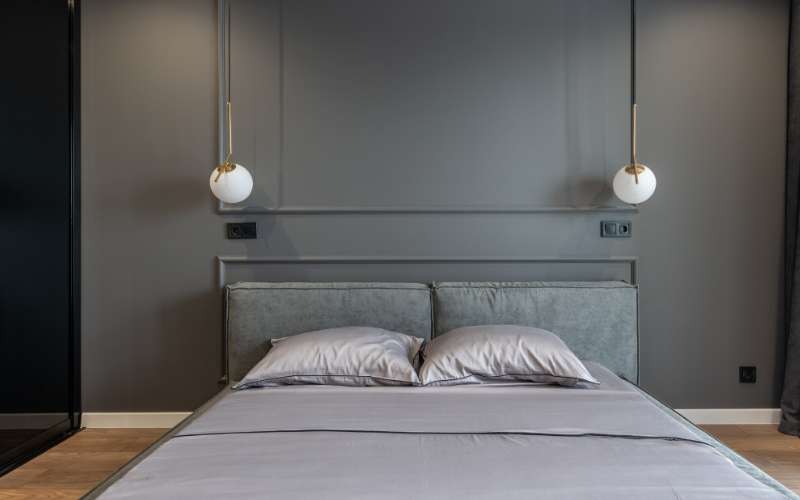
Dressing a bed with linen, cushions, throws and bedspreads
Reducing visual clutter and editing out pieces
Looking at balance, proportion and height with furniture and home decor arrangements
Styling with artwork on surfaces and walls
Lighting - adding pendants, lamps and other fixtures
Window treatment - adding curtains and blinds
Finishing touches with home decor and plants
Styling a vignette on a surface
Click on each styling image below to read more:

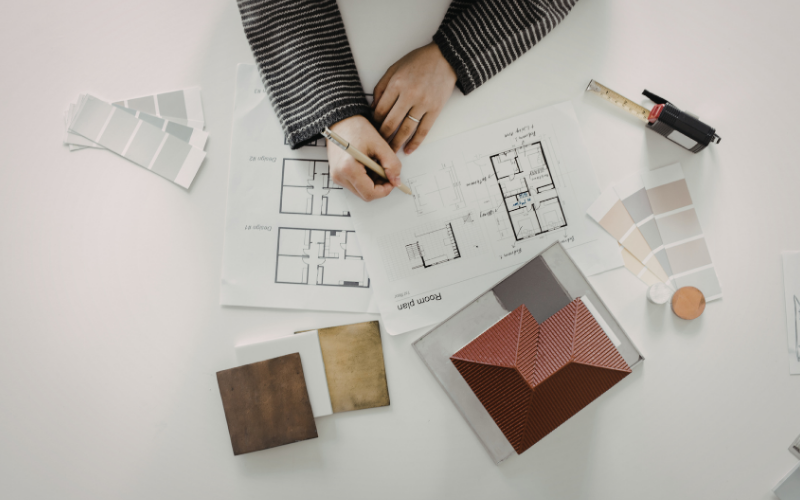
Interior design
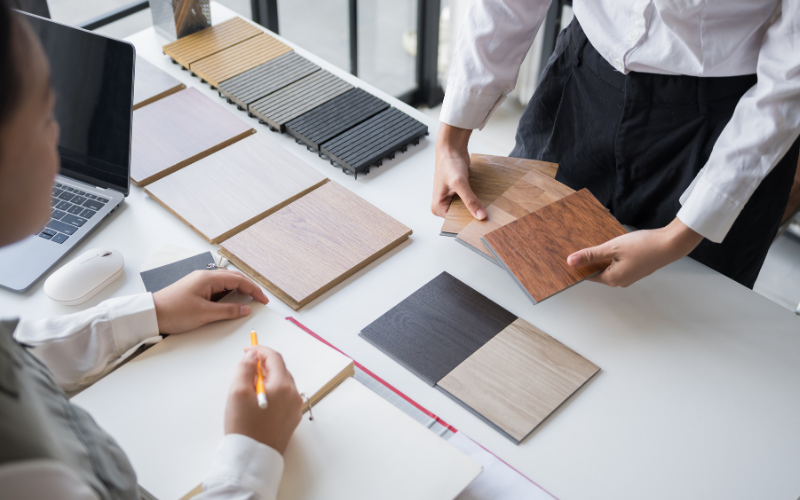
Space planning and structural choices
Floor plans/elevations and specifications
Design of fixtures and fittings
Lighting plan
Kitchen design including cabinetry and appliances
Bathroom design including fixtures and fittings of sanitaryware
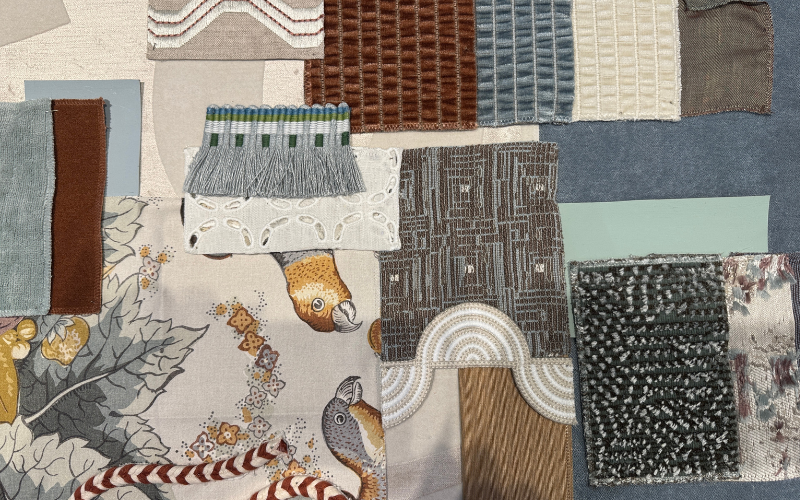
Materials that are fixed like wallpaper, wall finishes, flooring, door handles
Working with contractors and trades such as electricians, plumbers, painters and decorators
Click on each interior design image to read more:
Can Anyone Style their Home or Do You Need an Interior Stylist?
Interior stylists who work with homeowners are relatively few and far between. Most professional stylists are hired to style editorial house shoots for magazines, product shoots for editorials, advertising campaigns, or properties in the real estate industry where homes are staged to help sell them. Homeowners who work with an interior designer will often rely on them to assist with the styling at the end of a project. Those who haven’t worked with a designer usually style their homes themselves.
The good news is - interior styling is something you can easily do yourself.
Let’s start by looking at where to style and what to style with.
Which Areas of the Home Can You Style?
There are three main areas to style - surfaces, seating areas, and beds. But this doesn’t mean you have to style every inch of every surface or smother a sofa or bed with a dozen pillows and cushions. For example, if you have shelves in a kitchen, you may want to keep the worktop styling minimal for balance and let the items on the shelves get the attention.
STYLING SURFACES - Surfaces in your home are the ideal places to style. These include shelves, console, side and dining tables, kitchen worktops, credenzas/sideboards, cabinets and drawers, mantelpieces and windowsills, nightstands/bedside tables.
STYLINS SEATING AREAS - Sofas and chairs are where you can introduce colour, shape and texture into a space. Cushions and throws soften a space and help tie a scheme together.
STYLING THE BED - How you dress the bed can make a huge difference to the overall feel of the room. Even the simplest bedroom benefits from layered linen, cushions and a bedspread or throw, instantly creating a more stylish and inviting bedroom.
What are the Key Interior Styling essentials?
Furniture and window treatments sit somewhere between interior design and styling, but beyond these larger items, there are a handful of key decor pieces that can instantly make your home feel more stylish, and visually pleasing. Here is a concise list, but for my full feature visit The Home Decor Essentials That Make a Room Look Finished where I share the key home décor pieces that add those all-important finishing touches to turn your home into a place with style and personality.
Cushions
Cushions introduce colour, texture and shape to a sofa, chair or bed. Mix patterned with plain and combine different fabrics and finishes for depth.
Throws
Used on sofas, chairs and beds to bring in another layer of texture, tone and warmth while softening the look of a space.
Artwork
Artwork can be hung on walls or styled as part of a vignette, leaned against a wall on a console or shelf. Photo frames can also be used to display both family photos and art.
Mirrors
Mirrors can be hung on the wall or leaned against the wall on a surface. As well as reflecting light, they create a sense of extra space.
Wooden chopping boards
Rugged wood or vintage boards make great styling pieces in the kitchen and can be displayed on a worktop or propped up on a shelf.
Lights
Lamps, wall sconces and pendant lamps are key styling tools and can introduce a particular vibe and add atmosphere to a room.
Candles and candle holders
Candlesticks add height to surfaces, while scented candles in a glass jar look gorgeous and bring a subtle scent into the home.
Books
Hardback, beautifully bound books are styling items in their own right and can be displayed on coffee tables, consoles, side tables as well as shelves.
Vases and other vessels
Vases can be styled with flowers or branches or, if they have an eye-catching texture and shape, left empty. When choosing vases and vessels, look for a mix of heights, shapes and textures.
Dishes
A beautiful dish could be used to hold collections such as pine cones or shells, can also be displayed just by itself as a sculptural piece.
Tableware
Earthenware plates, bowls and cups are beautiful to look at stacked up on open shelving in the kitchen or dining room.
Artefacts
Personal objects collected over time and from travels add charm and character. These are the items that make a home feel personal.
Figurines and sculptures
From figurative to abstract forms, small sculptures on shelves or other surfaces make for an enchanting display.
Trays
Whether it’s a rustic wooden tray or a contemporary metallic or lacquered piece, a tray is a stylish object that you can use to group together decorative and practical items.
Rugs and runners
Rugs and runners add warmth as well as colour and texture to a room. A rug can also be the key anchor for your furniture set-up.
Can you Style Your Outdoor Space in the same way?
Whether you have a small balcony with a couple of chairs or a large terrace with a complete with outdoor sofas and a dining area, with the addition of rugs, cushions, throws and stylish furniture, you can create an outdoor space that feels as considered as your interior. If you would like to explore more ideas about styling your outdoor living spaces, including the essentials such as seating and tablescapes, you may enjoy my guide on creating stylish outdoor living spaces. Home decor essentials like cushions, throws, rugs and potted plants, just like inside can also help transform your outdoor space into another room. A weather-resistant, durable outdoor rug is an ideal way to define a seating area. Check out my feature on outdoor rugs for ideas and inspiration.
Interior Styling Visuals: Examples and Inspiration
I’ve carefully handpicked these images to show how different areas of the home have been styled. Some focus on surfaces, while others demonstrate styling with colour, furniture, decorative accessories, and window treatments. It’s when all these elements come together that a home feels truly stylish and considered. We’ll start by looking at the living room.
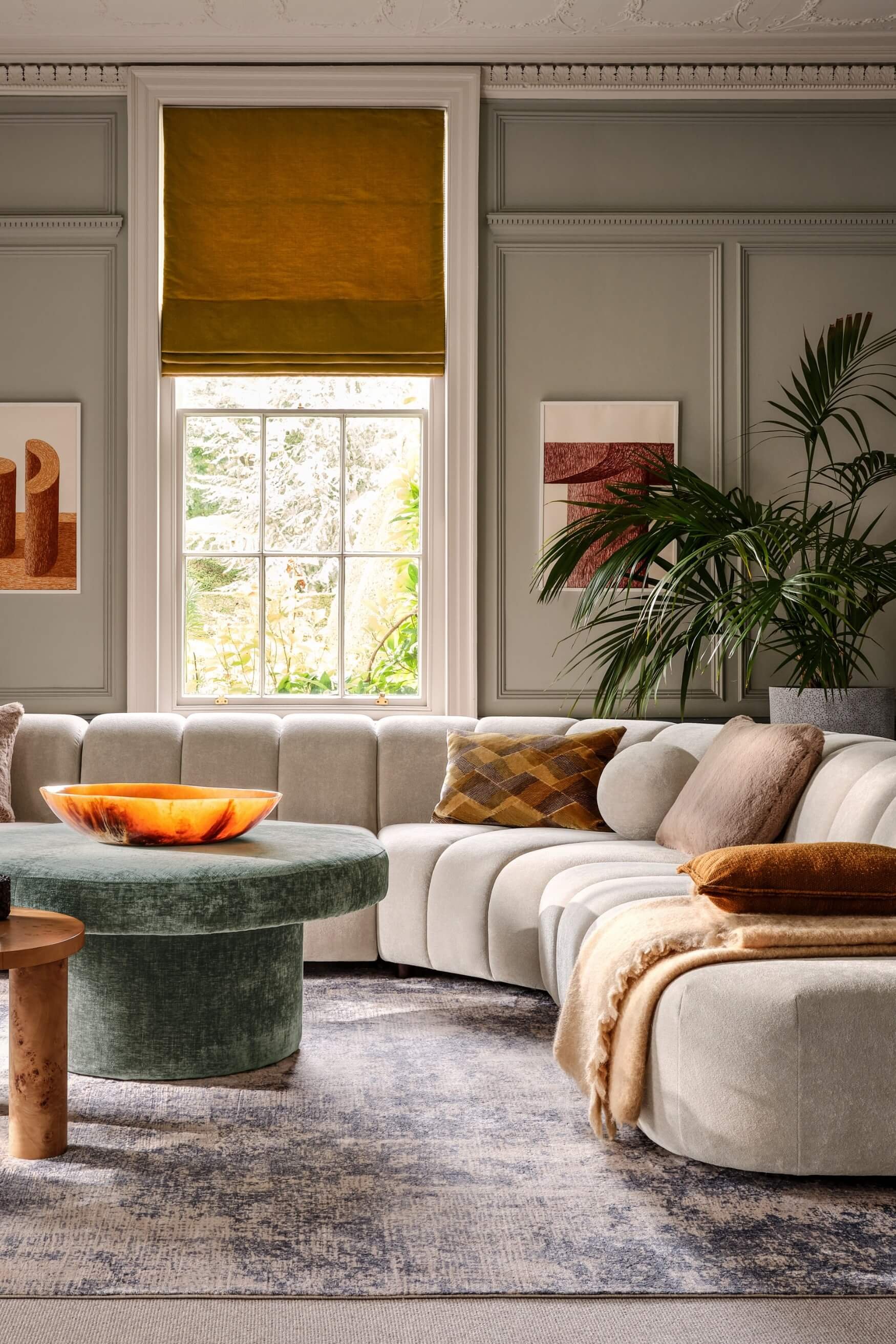
Styling a Sofa for a More Put-Together Living Room
This living room is a feast for the eye. The sofa by Sofology is a great example of how to style seating without overkill. Cushions in warm ochre and mustard tones tie in with other elements in the room, like the Roman blind, dish on the coffee table, and even the artwork, creating cohesion without everything matching exactly.
When styling a sofa, mix cushion shapes and fabric textures, as well as balancing patterned with plain for a more interesting and stylish look.
Photo credit: Sofology

Curated Shelves for a Professionally-Styled, Layered Look
Shelving is the perfect place to display a few carefully chosen pieces, and nobody does this better than Abigail Ahern. Her faux prunus blossom, styled in an artistic ceramic vase, sits beautifully in front of textured, recessed shelves. She has kept the styling simple with a figurine sculpture and a cement vase, as well as a portable lamp which illuminates the shelves without any unsightly cables. For more of Abigail’s stylish home decor, check out her online store.
When styling shelves, avoid overcrowding. Leaving empty areas, known as negative space, allows each piece on display to get attention. Larger pieces, either standing alone or grouped with a mix of sizes, shapes and heights, generally make more of an impression than lots of smaller items.
Photo credit: Abigail Ahern
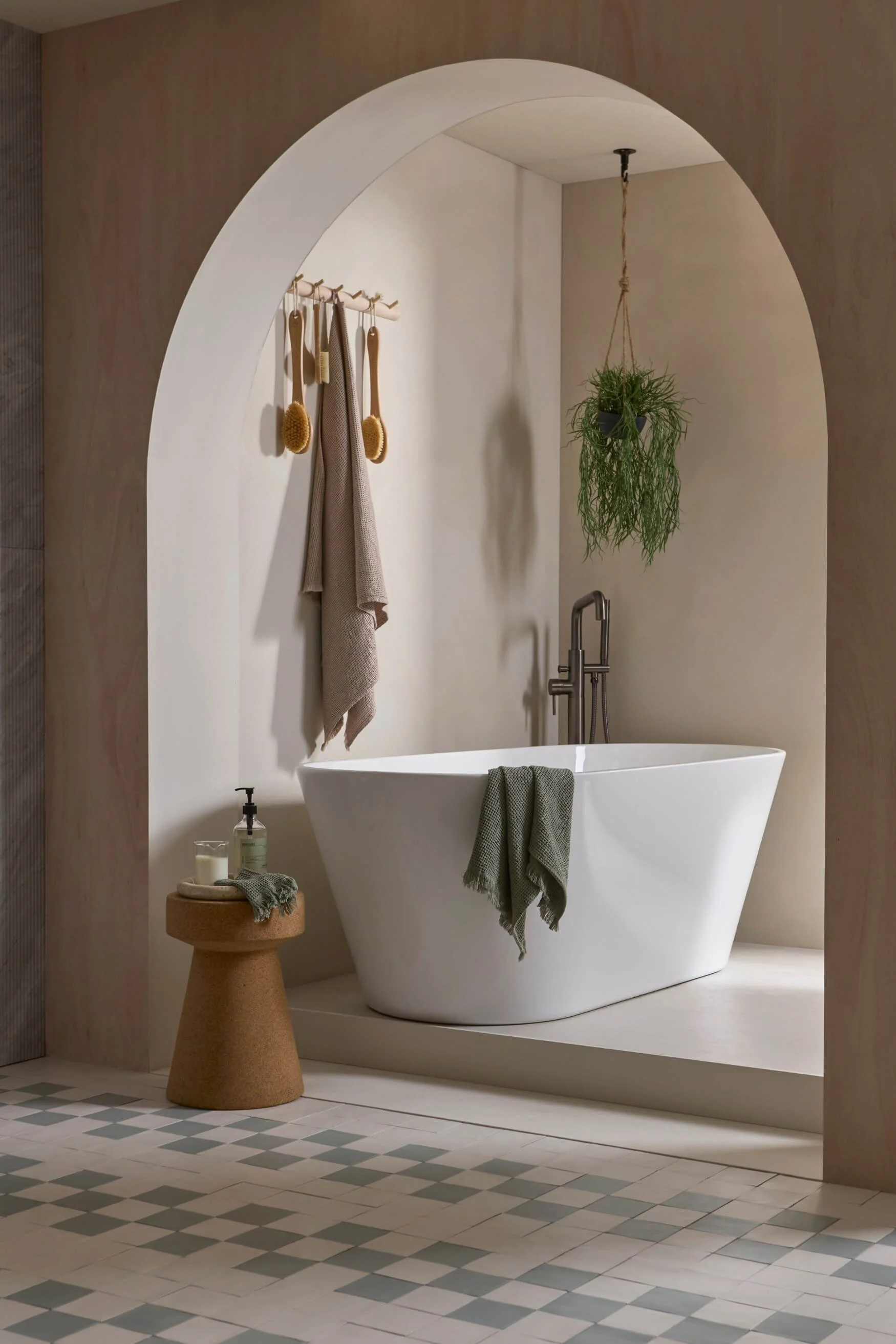
Bathroom Styling for a Cam, Considered space
Even the most beautiful bathroom - like the one pictured here by Tavistock Bathrooms, can benefit from a few considered styling touches. The striking freestanding tub and dark bronze bath filler already create impact, but it’s the smaller details that complete the space.
A hanging plant, wood wall hook with brushes and towels, and a contemporary side table all add warmth and practicality. A side table is especially useful next to a freestanding bath as it provides a practical and stylish surface for attractive product bottles and a scented candle. Notice how the green and beige towels add texture and tie in with the tones of other elements in the room.
Photo credit: Tavistock bathrooms
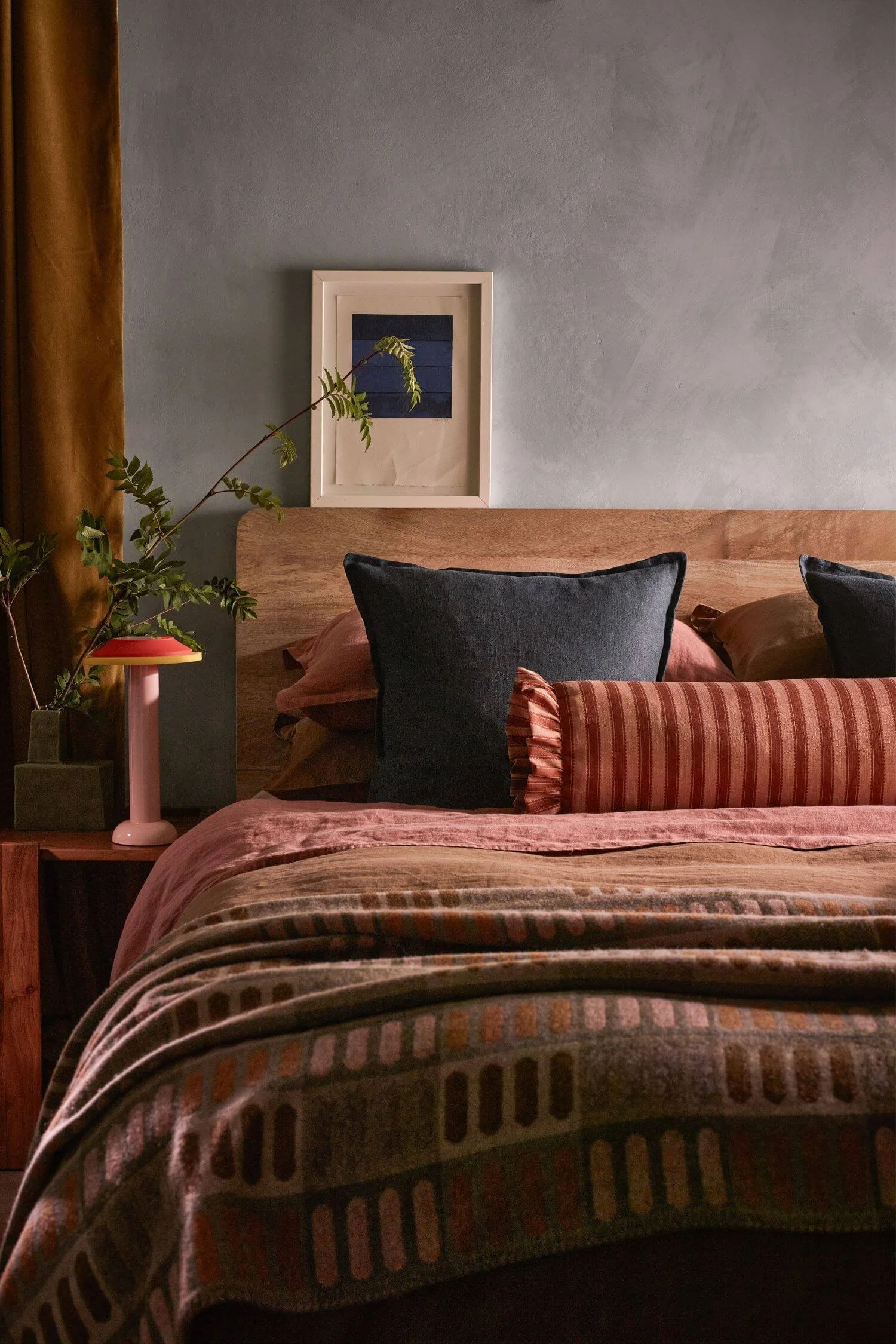
Dressing the Bed for a
Relaxed, Layered Look
The linens and soft furnishings you choose make a huge difference to the overall look and feel of a bedroom. Depending on whether you have a headboard or not, pillows can be layered in different ways - laid flat with a single cushion in front (like in the image here), or built up with large 65 x 65cm euro cushions to give structure to a bed without a headboard.
The bed pictured here by Swoon features a gorgeous mango wood headboard, so the pillows have been laid down to allow the it to remain visible. The bedlinen is terracotta-toned washed linen, paired with a throw in earthy hues to inject pattern and warmth into the room. Two contrasting steel blue pillows add depth, while a single striped bolster-style cushion placed in front pulls the whole look together.
For more ideas, take a look at my blog post on styling beds, where I share over a dozen different schemes.
Photo credit: Swoon
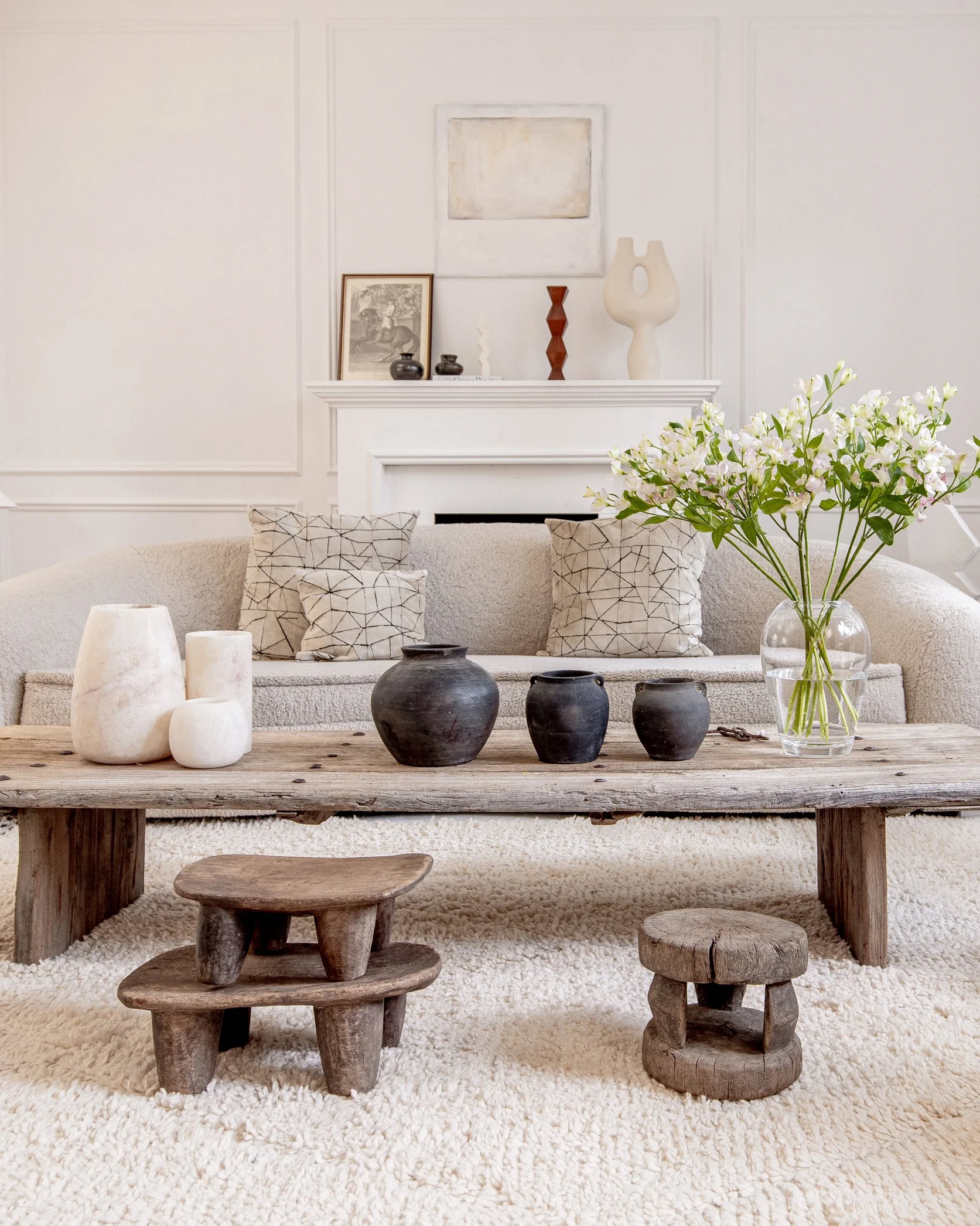
Coffee Table and Mantlepiece Styling Ideas
Coffee tables and mantelpieces are two key surfaces that can instantly make a living room feel more stylish. In this scheme by interior designer Katie Fischer, carefully chosen pieces from her home decor collection add depth, while the overall palette remains calm and cohesive. On the mantelpiece, an unusually shaped vessel and candle holder draw the eye upwards, adding height and visual interest to the back of the room.
On the coffee table, flowers arranged in a glass vase introduce an essential touch of greenery, while the three dark vessels bring contrast to the softly toned off-white interior. This is balanced by the addition of three white vessels, creating harmony through repetition and tone.
I am always a fan of including something rustic and natural into a scheme. Here, Katie has teamed handmade rustic pieces, like the wooden stools and table, with ceramic hand-thrown vases, striking the balance of mixing refined interiors with rustic pieces. If you would like to see more of Katie’s styling and home decor pieces, you can read my feature on Styling a Beautiful, Timeless Home: Inside Interior Designer Katie Fischer’s Curated Home Décor World
Photo credit: Katie Fischer
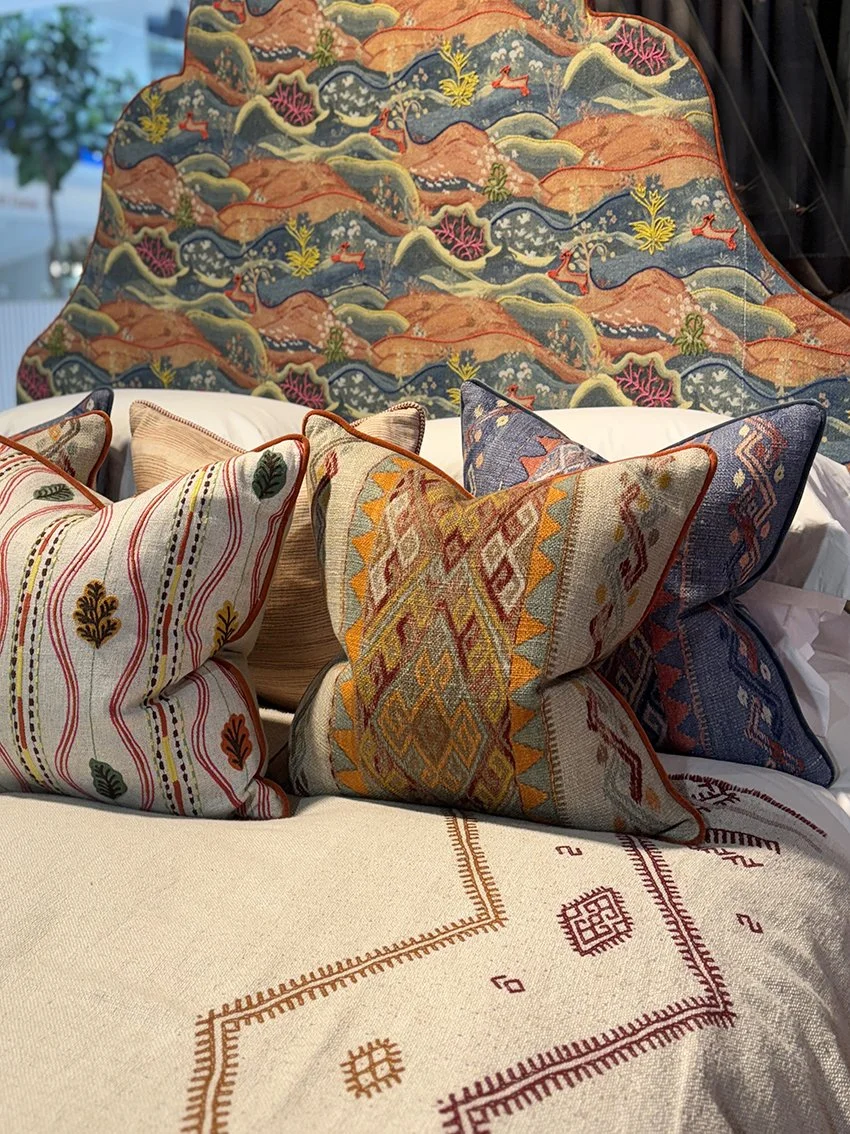
Styling with Pattern for a More Dynamic Space
This Andrew Martin bed, in collaboration with Kit Kemp who designed the headboard and cushions, is the perfect example of styling with pattern. I photographed it during design week, and it shows how patterns can be combined without overwhelming a space.
The bedspread is kept plain, with coloured stitching in the same tones as the cushions. While both the throw pillows/cushions and headboard are patterned, white pillows are placed between them, preventing the overall bed from feeling too busy.
For more headboard inspiration, check out my blog post on headboards with 20 different ideas.
Photo credit: Sandra van Aalst
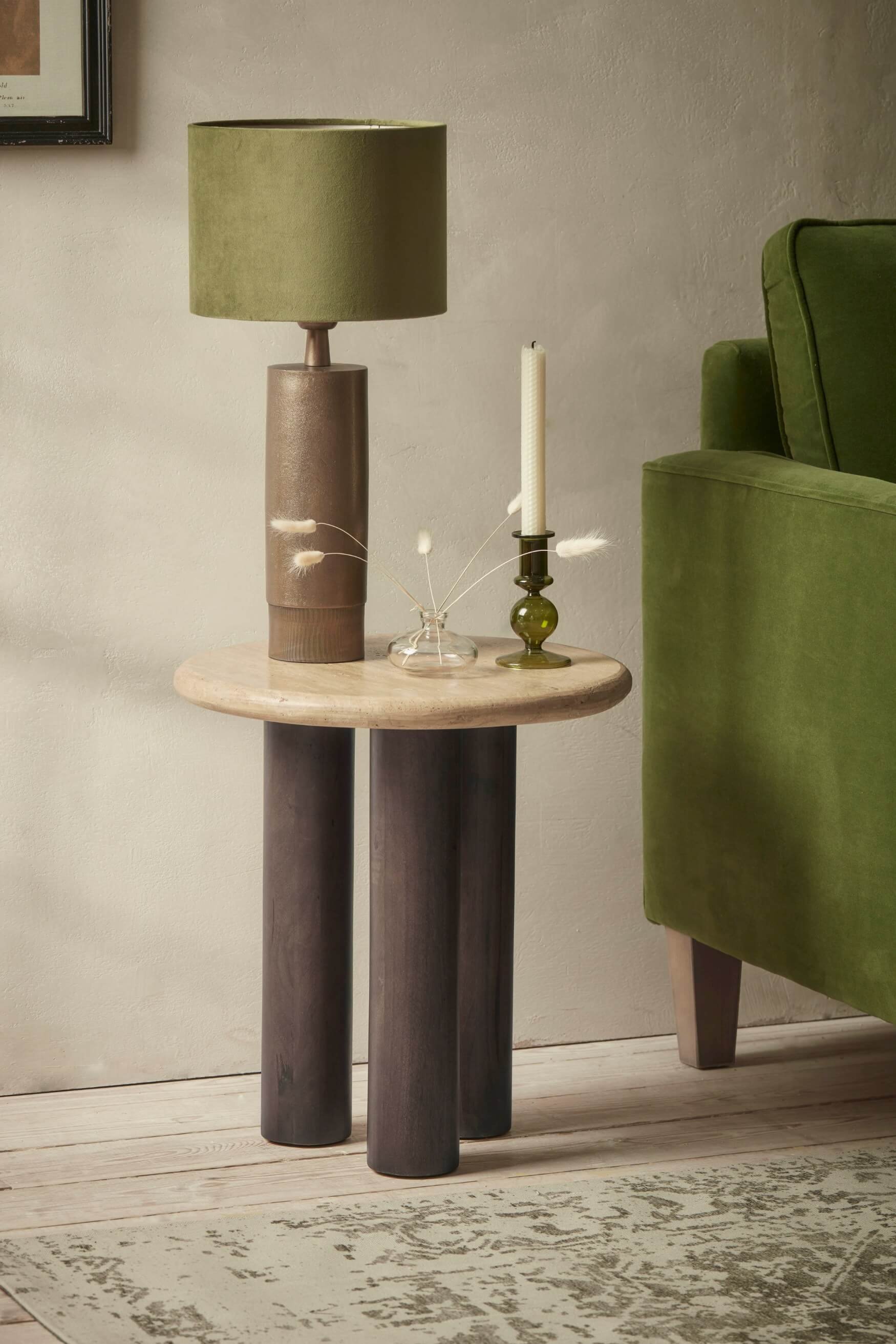
A Stylish Side Table with Thoughtful Details
A side table can be a styling piece in its own right, but it can be enhanced by a small, considered group of objects, like the portable lamp, candle holder and small vase featured here. The lamp adds height and works well positioned close to a wall, giving this side table by Cox & Cox a modern, functional twist.
A stack of books, a small figurine or a vase of flowers can also look stylish on a side table. Just bear in mind that if the table sits more centrally in the room, next to a chair, for example, keep the styling lower and more compact. Books, smaller lamps and shorter vases will maintain balance and prevent taller pieces from being knocked over.
Photo credit: Cox & Cox
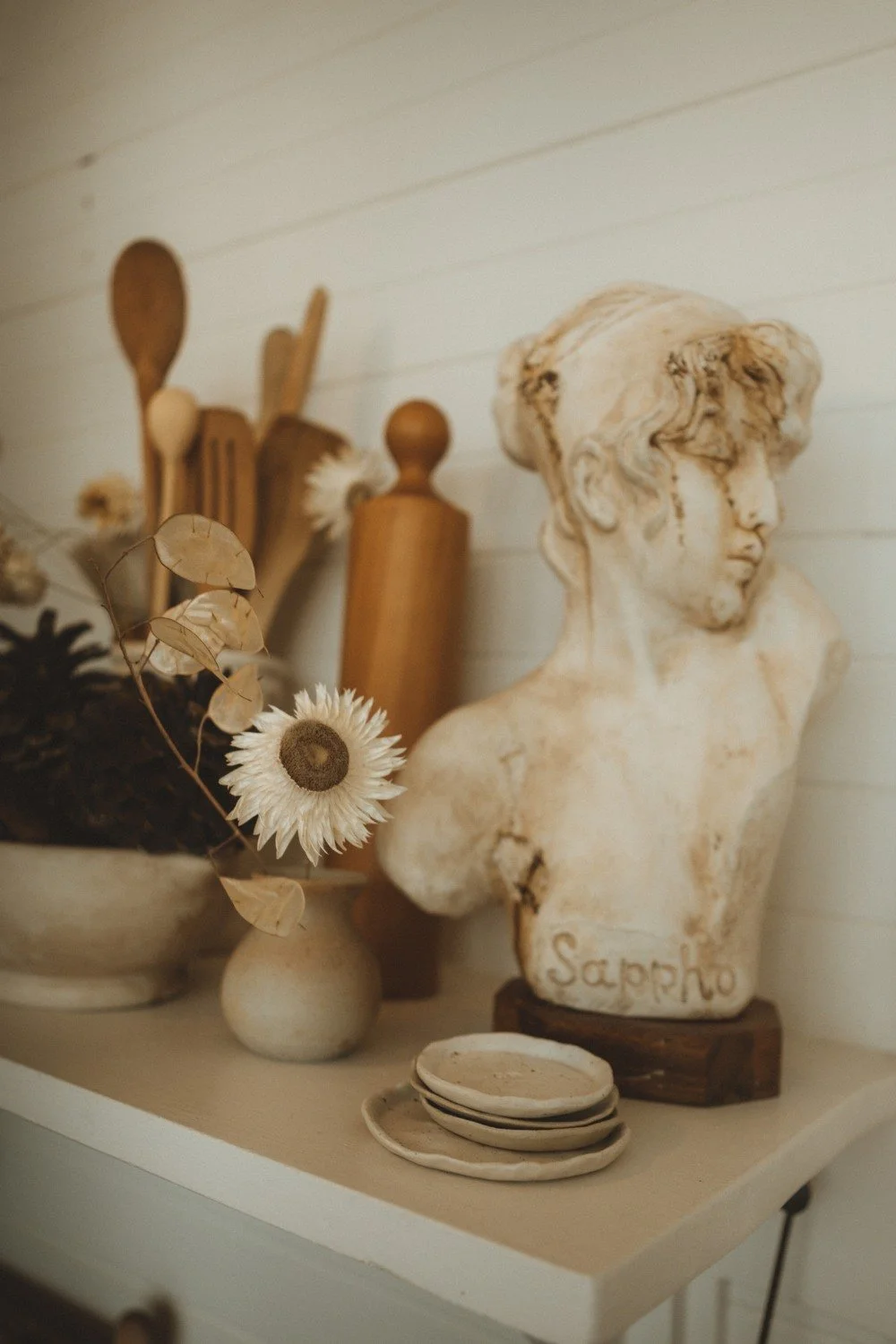
A Styled Vignette in the Kitchen
This shelf sits in the kitchen of Captains Rest, a vacation home described by Vogue as one of Tasmania’s best. The home is owned, hosted and styled by Sarah Andrews, author of The Principles of Style.
Here, Sarah has styled open kitchen shelving with a vintage bust and hand-thrown plates, mixing them effortlessly with everyday kitchen utensils. Dried flowers and pine cones bring a natural element to the space, creating a look that feels informal yet incredibly stylish.
When styling open shelves or kitchen worktops, don’t be afraid to mix the practical with the decorative - it’s this combination that gives personality and a sense of place to the kitchen. For more of Sarah’s unique styling, check out my recent blog on Captains Rest, where you’ll get to see how she has styled other areas.
Photo credit: Jonathan Rose
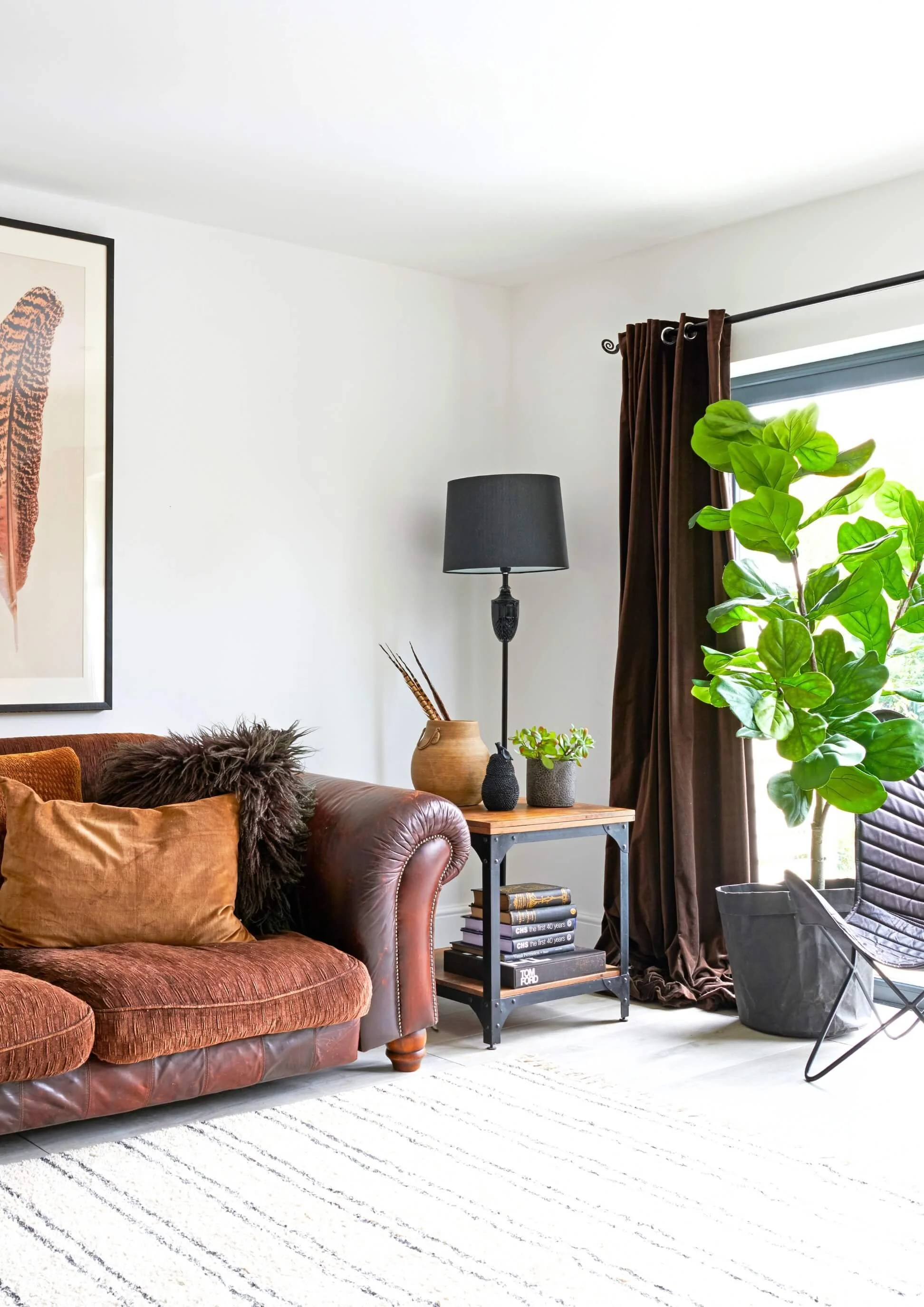
Styling with a Single Colour in Different Tones
I photographed this living room for Ideal Home magazine. The home is owned and styled by interior stylist Clare Southcombe-Homes, and the scheme is all about styling with brown tones.
The rich, deeper browns of the velvet curtains combine with the lighter tan browns for contrast. Clare also carried the browns through to feather artwork, pairing it with real feathers displayed in a tan-toned vessel – a subtle but thoughtful detail.
To view more of Clare’s interior styling, visit my blog post where I feature The Biscuit Cottage - a holiday home hosted, designed, decorated and styled by Clare.
Photo credit: Sandra van Aalst
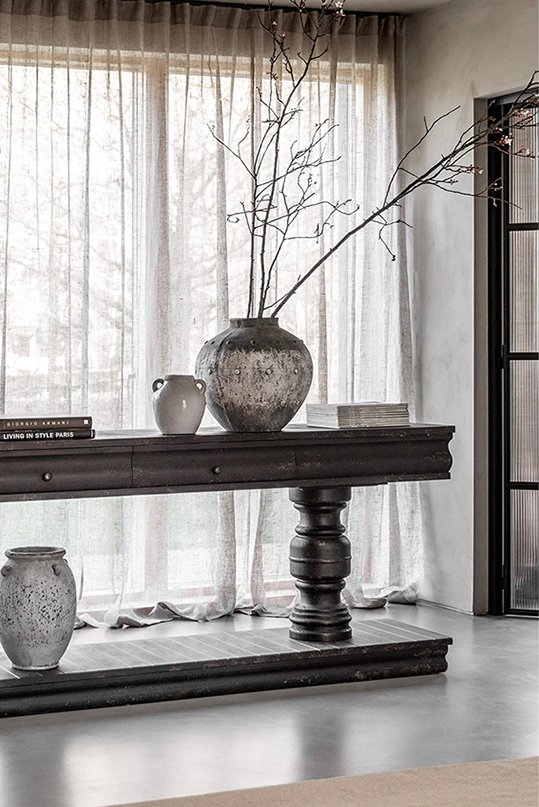
Console Table Styling for an Elegant Entryway
A console table is one of the easiest surfaces in a home to decorate. Often all it needs is a pot with a few branches or flowers paired with a couple of books. A table lamp is another effective styling piece for consoles - especially the portable lamps that don’t require sockets.
What I particularly like about the styling here is the weathered stone statement pot, which adds visual weight to the surface, while the branches add height and a sense of drama. Combined with the striking console by Sweetpea and Willow, the overall effect brings a touch of grandiosity to the room.
Photo credit: Sweetpea & Willow
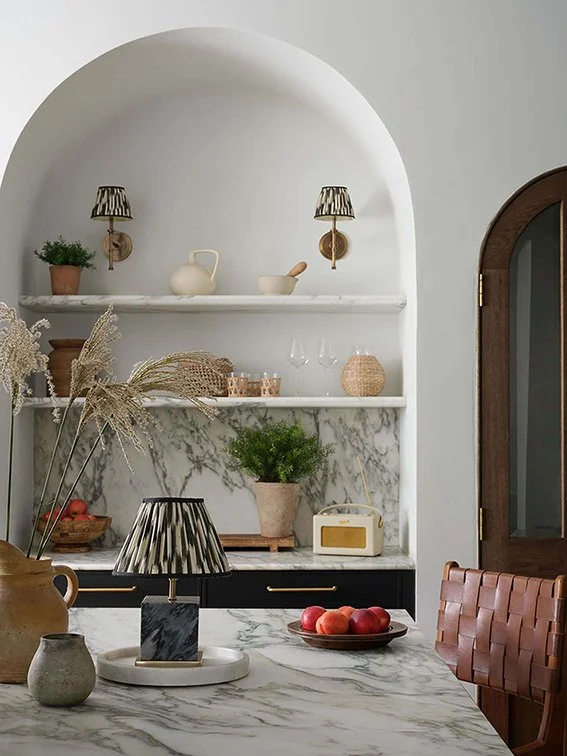
Kitchen and Shelving Styling
A kitchen island is a perfect place to show off your styling skills - as are open shelves. What works particularly well in kitchens is the ability to mix decorative objects with practical pieces such as utensils and chopping boards, alongside fruit, vegetables, and herbs.
In this kitchen, portable lamps by Pooky – all with matching shades – are paired with plants and various ceramic and stone vessels. Red apples displayed on the island and worktop introduce colour, while everyday items such as glasses, along with a carafe and a pestle and mortar, look perfectly placed on the shelves. Being useful and timeless, a pestle and mortar makes a great style piece, proving that practical pieces can be as decorative as ornamental.
Photo credit: Pooky
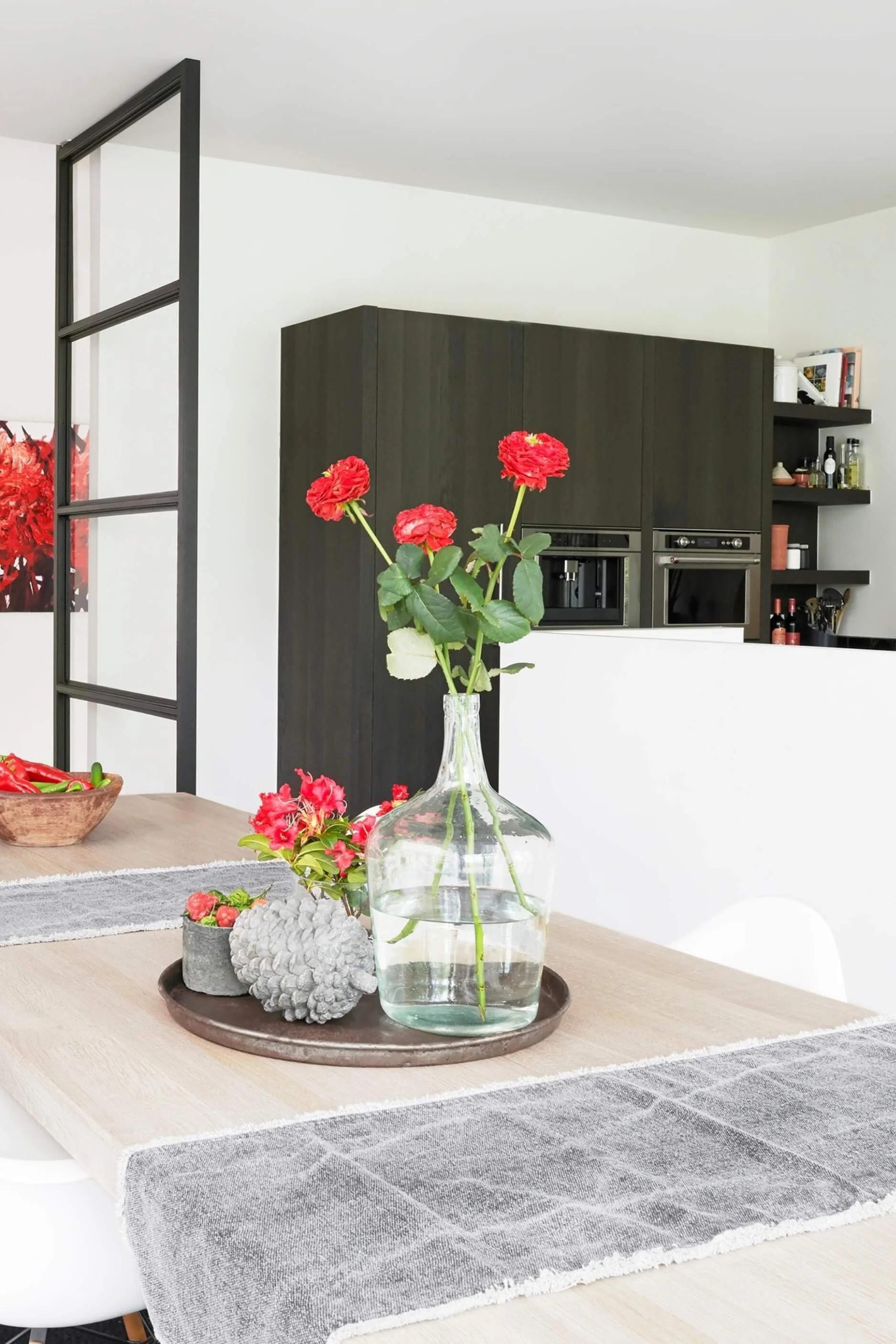
Styling a Dining Table
I styled and photographed this dining area in a new-build home in Belgium, using pops of red - a colour that is not often seen in interiors. The homeowners already owned two pieces of artwork featuring bold red tones, so I echoed these with flowers and red chilli peppers to create a cohesive colour story.
To break up the large wooden surface of the oak dining table, I placed two grey linen table runners along with a grey concrete pot and an acorn sculpture.
Flowers, fruit and vegetables are a great way to introduce colour on a temporary basis, while a tray provides a stylish and practical way to group items and style them in a vignette.
Photo credit: Sandra van Aalst
Interior Elements to Bring Into Your Home
Alongside décor, there are certain interior elements that you can introduce into your home to add depth, contrast and interest. Here are the key ones to consider - for a more detailed look, you can explore more on my blog post on stylish interior elements.
Greenery
Every room can be enhanced by a plant, vase of flowers or even a few simple branches. And if real plants aren’t practical, faux flowers and plants can be a convincing alternative.
Texture
Imagine a room with flat painted walls, a console in a similar flat finish and decorative pieces also in the same flat tone - it would look almost one-dimensional. Texture adds depth and interest, so consider introducing different materials and finishes with each piece you bring into your home.
Metallic or shiny patina
Having a couple of reflective elements - such as a mirror, brass lamp or bronze side table - catches the eye and helps a space feel more sophisticated and three-dimensional.
Statement pieces
One statement piece can transform a room. This could be an oversized pendant light, a large sculptural plant, or a feature wall.
Shelving
Whether floating, bracketed, curved, or as a unit, shelving breaks up a plain wall and adds architectural interest, giving height and balance to a room. It also provides those all-important surfaces to display plants, books and attractive pieces.
Vintage, antique or retro pieces
An antique frame, vintage chandelier, or retro radio can all add character, a sense of history and individuality to a space. These pieces could be heirlooms with sentimental value, making them especially meaningful. Most importantly they add charm and are entirely unique.
Organic materials
From a rugged tree-trunk table to a textured linen throw, organic materials bring in a tactile quality and a stronger connection to nature into a room.
My Styling Experience
I’ve spent many years styling homes for magazines, from historic English manors to contemporary new builds, as well as my own homes. For editorial shoots in real homes, styling is very much about the final layer - adding plants, cushions, throws, vases and vessels, books, art and artefacts. I’ve arrived at shoots where the home is an architectural masterpiece, yet it feels empty and soulless, lacking any form of greenery or decorative accessories. My role as a stylist was to introduce warmth and make the home more stylish, personal and lived in.
Wherever possible, I try to work with the homeowners' possessions to bring their personality and style into the space. That said, just in case they were needed, my car was usually crammed with plants, flowers, vases, pots, cushions and throws. Having reviewed images or seen the home beforehand, I would carefully select pieces that felt appropriate to the style and character of the home.
Where do you find inspiration for Interior Styling?
There are many places to find inspiration and ideas for interior styling. Interior magazines, books and blogs remain some of the most valuable sources, alongside platforms like Pinterest and Instagram, which are great to scroll through for instant inspiration.
You can browse sample pages of interior books online and sign up for newsletters from magazines such as Elle Decoration and House Beautiful. Online home stores like Zara Home, Crate & Barrel and Soho Home, are also full of beautifully styled imagery with lifestyle and inspiration pages that show how furnishings and accessories can be styled and how to pull a whole look together. Many interior designers also showcase their work online, such as Kelly Wearstler, Abigail Ahern and Kit Kemp, who have their own websites which are hugely inspirational.
Hotels are another brilliant source. There’s no need to check in - simply browse the online galleries of stylish hotels, such as Soho House, 1 Hotels and The Four Seasons for a wealth of ideas to see how they furnish, accessorise and style their rooms and other communal areas.
If you’d like to take a deeper dive, take a look at my blog post dedicated to interior styling inspiration, where I explore in detail various sources of inspiration that have shaped my own interior schemes.
Let’s sum up
By focusing on elements such as colour, texture and greenery, choosing a few considered decorative pieces, and adding personal touches - like objects found on your travels, heirlooms and vintage finds - you can create a home that feels cohesive, individual and stylish.
Further Reading. You May Also Enjoy
The Home Decor Essentials That Make a Room Look Finished
Shelf Styling Ideas: How to Decorate Different Types of Shelves
Interior Styling Elements from curves and metallic finishes, to lighting and foliage
I’m Sandra, and this blog is about interior styling for real homes. If you love interiors and want your home to feel stylish, pulled together, yet still personal, you’ve come to the right place. I’ll be sharing styling advice to help you edit, layer, and finish your home with confidence, alongside articles on what’s happening in the interiors world — from design events and colour stories to features on interior gurus - so you get the full picture.
I also take you on tours of beautifully styled homes from around the world, offering inspiration and styling ideas to steal for your own space. Ultimately, I’ll show you how a little bit of styling can be transformational and take your home to a whole new level.
If you’d like to find out more about me click here